Hey everyone! Let’s cut to the chase — if you’ve ever stared at a Jewish calendar (or tried to plan a holiday hang with friends who celebrate Jewish traditions) and thought, “Wait, what even is this all about?”, you’re not alone. I’ve spent years working in calendar supply, shipping thousands of these little books and wall planners to families, synagogues, and even curious folks who just want to get their holiday plans right, and one question comes up way more than any other: What are the important Jewish festivals I actually need to know about? Calendar
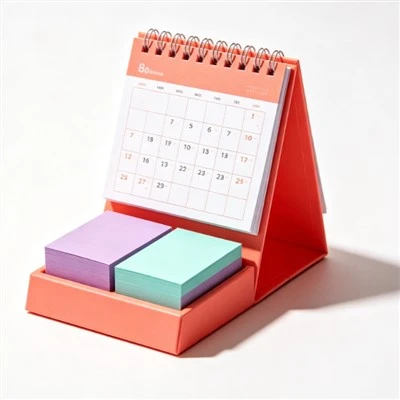
Before I dive in, let’s get one thing straight: the Jewish calendar isn’t just a random list of days — it’s a lunar-solar calendar, meaning it tracks both the moon’s cycles and the sun’s years (that’s why holidays shift around the Gregorian calendar each year, fun fact). I’ve had so many customers tell me they got confused because their Google Calendar marked Rosh Hashanah on a different date one year than the last, and that’s exactly why working with a real, accurate Jewish calendar is non-negotiable. No generic calendars here — our supplies are built by people who actually know the difference between a Gregorian tweak and a Jewish leap month, so you never miss a candle lighting or a big dinner.
Now, on to the good stuff. Let’s go through the heavy hitters, the ones that aren’t just “minor holidays” — these are the ones that shape the year, from the High Holy Days that feel like a big reset to the spring festival that’s all about freedom, and the summer fast that’s all about remembrance.
First up: Rosh Hashanah. Yeah, it’s the Jewish New Year, but it’s way more than just a chance to say “Happy New Year” (though that’s nice). It falls in Tishrei, the seventh month of the Jewish calendar — again, lunar-solar stuff means it’s usually September or October on the Gregorian. What do people do here? They blow the shofar (a ram’s horn, not a trumpet, for the uninitiated) to wake everyone up, eat apples dipped in honey to wish for a sweet year ahead, and have big family dinners. It’s also the start of the 10 Days of Awe, a period of reflection where people think about what they did wrong in the past year and make amends. I’ve had customers order bulk Rosh Hashanah calendars specifically because synagogues need to print sign-ups for temple services, and families plan their travel months in advance so everyone can be together. Last year, a woman reached out to us because her son’s bar mitzvah was set for Rosh Hashanah week, and she needed a wall planner that marked not just the holiday but the custom shabbat times for their city — we got that to her in 3 days, and she sent a pic of the whole family posing with their calendar at the dinner table. That’s the stuff that makes this job worth it.
Next, Yom Kippur. This is the big one — the Day of Atonement, and it’s the holiest day of the entire Jewish year. It falls 10 days after Rosh Hashanah, so it’s still in September or October. What’s the vibe here? It’s a fast day — 25 hours where you don’t eat or drink — and it’s all about making amends, praying, and reflecting. Synagogues have big services that go for most of the day, and people spend it thinking about how they can be better the next year. It’s not a casual holiday; it’s intense, but also really meaningful. I remember when a high school student bought a small pocket calendar from us so he could mark when Yom Kippur started and ended — he was nervous about his first fast, and he said the calendar’s clear start/end times helped him not mess up. That’s the tiny, real impact these calendars have, y’know?
Then we have Sukkot. That comes right after Yom Kippur, so it’s back-to-back holiday chaos (in the best way). Sukkot is a 7-day festival (8 days in Israel, quick note) where people build a sukkah — a temporary outdoor hut with a roof made of things like palm branches or leaves. The idea is that it’s a reminder of how the Israelites wandered in the desert for 40 years, living in temporary huts. People eat their meals in the sukkah (even if it’s cold out, though I’ve heard stories of people breaking out heaters!), wave the four species — etrog (citron), lulav (palm frond), hadass (myrtle), and aravah (willow) — in a ceremony each day. The last two days are Hoshanah Rabbah (the “Great Hosanna,” where you pray for rain) and Shemini Atzeret (a separate holiday that’s kind of a “wrap-up” of Sukkot), and in Israel, Simchat Torah, which is when you finish reading the whole Torah scroll and start over again. I’ve had a lot of customers order Sukkot calendars because they need to mark when the sukkah has to be up (no building it before the holiday starts!) and when to hold the big meals. It’s such a cozy, communal holiday — walking through a neighborhood and seeing all the sukkahs strung with lights? That’s my favorite part of working with these calendars, helping people plan that.
Now, moving to spring: Passover, or Pesach. This is probably the most well-known Jewish holiday outside of the community, thanks to all the food memes and family Seder videos you see online. It falls in Nisan, the first month of the Jewish calendar, so that’s usually March or April. The big story here is the Exodus — how the Israelites were slaves in Egypt, Moses freed them, and they left in such a hurry that their bread didn’t have time to rise. So for 8 days (7 days in Israel), you can’t eat leavened bread (chametz) — that means no bread, pasta, cereal, even some snacks like cookies. Instead, you eat matzah, which is that flat, cracker-like bread. The centerpiece is the Seder, a special dinner on the first two nights (or first night in Israel) where you read the Haggadah, tell the story of Exodus, eat specific foods (like bitter herbs for the slavery, charoset for the mortar the slaves used), and ask the four questions. I can’t even count how many bulk Passover calendars we’ve shipped over the years — synagogues use them for Seder sign-ups, families use them to plan their grocery lists (no accidentally buying regular bread!), and even schools use them for holiday events. Last year, a customer told me their calendar helped them avoid a disaster: they almost bought chametz cereal for their kid’s Seder, but the calendar clearly marked that Passover starts the next week, so they swapped it for matzah cereal. Win.
Then there’s Shavuot. That’s the one that comes 50 days after the second day of Passover, so it’s usually May or June. It’s kind of a quieter holiday, but super important — it’s when God gave the Torah to the Israelites at Mount Sinai. A lot of people stay up all night studying Torah on the first night, and they eat dairy (cheesecake is a big one!) because the Torah is compared to milk and honey. It’s also the holiday when you thank God for the harvest, which makes sense since it’s springtime. I think people don’t talk about Shavuot as much, but it’s a really meaningful one — I’ve had customers order calendars specifically because they wanted to mark the all-night learning service, which is a big deal in their synagogue. It’s a great example of how even the “lesser-known” holidays matter, and our calendars make sure you don’t sleep through them.
Now, the big fall fast: Tisha B’Av. This is the one that can be a total bummer if you’re not prepared, because it’s a 25-hour fast day, and it’s a day of mourning when we remember all the bad stuff that happened to the Jewish people in history — like the destruction of the First and Second Temples in Jerusalem. It falls in Av, the fifth month, so that’s usually July or August. People spend the day in synagogue services, reading the Book of Lamentations, and it’s a time to reflect on loss and hope for the future. I’ve had customers reach out for calendars to mark Tisha B’Av because they work in jobs where they need to request time off ahead of time, and they don’t want to miss the services or break the fast accidentally. It’s a holiday that’s all about remembrance, and our calendars make sure people don’t forget when it is.
Wait, I should mention a couple more that are important, even if they’re not as big as the ones above. Like Rosh Chodesh — that’s the first day of every Jewish month, celebrating the start of a new moon cycle. It’s a little more low-key, but it’s still a big deal for a lot of people, and we mark it on all our calendars. Also, Hanukkah — wait, hold on, I almost forgot Hanukkah! That’s the Festival of Lights, right? It falls in Kislev, so usually December, and it’s all about the miracle of the oil: when the Temple was rededicated, there was only enough oil to light the menorah for one day, but it lasted 8 days. People light candles on a menorah each night, play dreidel, exchange small gifts, and eat fried foods like latkes (potato pancakes) and sufganiyot (jelly donuts). It’s often around the same time as Christmas, so it’s a super busy time for us — we ship thousands of Hanukkah calendars in November and December, for people who need to count the 8 nights of candle lighting (that’s a huge one — you can’t light the menorah on the wrong night!) and plan holiday gatherings. I’ve seen so many kids hang our pocket Hanukkah calendars on their bedroom walls to count down the nights, and it’s the cutest thing.
Now, let’s talk about why accurate Jewish calendars matter so much, especially from a supply perspective. You see, a lot of generic Gregorian calendars just copy-paste Jewish holiday dates from the past, but that’s wrong — because the Jewish calendar adjusts every few years with a leap month (called Adar II) to make sure holidays line up with the right seasons. If you’re a synagogue needing to plan services, a family needing to book a vacation for Rosh Hashanah, or even a small business ordering supplies for Hanukkah, a wrong date can mess everything up. That’s why all our supplies are made with the latest Jewish calendar calculations, updated every year to reflect the exact lunar-solar cycles. No guesswork, no missed days, no last-minute panics.
I’ve been doing this for over 10 years, and the feedback I get from customers is always the same: they need a calendar that’s not only accurate, but easy to use. Whether you’re a lifelong Jew who knows all the holidays by heart, or someone who’s planning their first Seder and has no clue when to buy matzah, our calendars are built to work for everyone. We do wall planners, pocket calendars, desk calendars, even custom ones for synagogues and schools, all with clear, easy-to-read holiday marks, shabbat times, and important notes (like no chametz for Passover, or sukkah rules).

If you’re a synagogue administrator needing bulk calendars for your congregation, a teacher ordering for your class, a family who wants to plan their year around Jewish holidays, or even a gift shop owner looking for great seasonal products, I’d love to chat. We can help you pick the right type of calendar for your needs, get you a bulk discount, and make sure everything is delivered on time — no delays, no mistakes, just accurate calendars that everyone can rely on. You can reach out to us directly to discuss your needs.
Poster At the end of the day, Jewish festivals aren’t just dates on a calendar — they’re the moments that bring communities together, that pass down stories, that give people a chance to reflect, celebrate, and connect. A good calendar doesn’t just list them; it helps you be part of them. That’s why I’m proud to work in calendar supply, and why every order we ship is treated like it’s for our own family.
References
- Jewish Calendar: Lunar-Solar Structure, Jewish Virtual Library
- Traditional Jewish Holidays and Observances, Chabad.org
- Sukkot Customs and Significance, Union for Reform Judaism
- Passover: The Story and Traditions, National Museum of American Jewish History
Jiangyin Kingma Printing Co., Ltd.
As one of the most professional calendar manufacturers and suppliers in China, we also support customized service. Please feel free to wholesale bulk high quality calendar in stock here from our factory. Welcome to contact us for quotation.
Address: 803 Binjiang West Road, Jiangyin City, Jiangsu Province
E-mail: 275695527@qq.com
WebSite: https://www.kingmaprinting.com/
