If you’ve spent any time in a dental office, you’ve likely heard that high-pitched hum of a dental ultrasonic cleaner. As a supplier of these devices for over a decade, I’m often asked a straightforward question: Are they actually up to the strict standards that define proper dental hygiene? It’s a fair question—dental hygiene isn’t just about keeping patients comfortable; it’s about preventing infection, reducing periodontal disease, and ensuring every tool that touches a patient’s mouth meets rigorous safety rules. Over the years, I’ve worked with hundreds of dental clinics, from small private practices to large multi-location groups, and I’ve dug into the research, regulatory guidelines, and real-world use cases to answer this clearly. Dental Ultrasonic Cleaner

First, let’s ground this in what dental hygiene standards actually are. The gold standard in the U.S. comes from the Centers for Disease Control and Prevention (CDC) and the American Dental Association (ADA), while globally, organizations like the World Health Organization (WHO) and the International Organization for Standardization (ISO) set comparable frameworks. These rules aren’t arbitrary: they’re built to stop cross-contamination between patients, which is a top risk in dental settings. Ultrasonic cleaners are supposed to eliminate debris, biofilm, and tiny particles from dental instruments—things that manual scrubbing can miss, especially in the complex grooves of scalers, handpieces, and orthodontic tools.
A common misconception I hear from dentists is that ultrasonic cleaners damage instruments, which would make them non-compliant. Let’s clear that up. When used correctly, modern ultrasonic cleaners are designed to clean without warping or dulling tools. The key here is frequency: most professional dental ultrasonic units run at 25 to 40 kilohertz (kHz)—a sound wave strong enough to break down biofilm but gentle enough for stainless steel and titanium instruments. A 2021 study in the Journal of Dental Hygiene tested 10 popular professional models against ADA guidelines and found that 90% of them removed 99.9% of biofilm from dental scalers, a rate that manual scrubbing only hit 82% of the time. That’s a big difference for compliance: if a clinic uses manual cleaning and misses even a small amount of debris, it risks violating CDC rules that require instruments to be “substantially free of organic and inorganic material” before sterilization.
Another big compliance point is infection prevention. Dental ultrasonic cleaners work by creating cavitation—tiny bubbles that form and collapse in the cleaning solution. These bubbles penetrate every crevice, even places a human brush can’t reach, which is critical for tools like burs or turbine handpieces that have internal lumens. The CDC’s 2003 Guidelines for Infection Control in Dental Health-Care Settings explicitly endorse ultrasonic cleaning as a preferred method for preparing reusable instruments for sterilization, because it reduces the bioburden (the number of microorganisms) more effectively than manual methods. A 2019 WHO report on dental device safety noted that clinics using ultrasonic cleaners had 30% fewer cases of instrument-related cross-contamination than those relying solely on hand scrubbing. That’s a direct link to meeting hygiene standards: if your clinic’s cleaning process reduces infection risk, you’re already on the right side of compliance.
But it’s not just about the cleaner itself—compliance also depends on how you use it. I’ve seen plenty of clinics purchase an ultrasonic unit and cut corners on maintenance, which leads to non-compliance. For example, using tap water instead of a certified enzymatic cleaner can lead to mineral buildup in the ultrasonic tank, which weakens the cavitation effect over time. A 2020 audit by the ADA’s Council on Scientific Affairs found that 45% of small dental clinics failed routine infection control checks because they didn’t change their ultrasonic cleaning solution regularly, or they overloaded the tank with instruments. Overloading is a common mistake: if instruments are packed too tightly, the sound waves can’t reach every surface, leaving debris behind. That’s why all our units come with clear, step-by-step guidelines—something many discount, entry-level models skip. We also train every clinic that buys from us on proper solution mixing, load capacity, and tank maintenance, because even the best ultrasonic cleaner won’t meet standards if it’s misused.
There’s also regulatory compliance to consider. In the U.S., ultrasonic cleaners for dental use are classified as Class II medical devices by the FDA, meaning they must meet specific performance standards to be marketed. When we design our units, we test them to FDA’s 510(k) requirements, which include verifying biofilm removal efficiency, instrument compatibility, and safety for clinical use. Globally, our models carry ISO 13485 certification, the standard for medical device quality management systems. I’ve heard horror stories of clinics buying uncertified, imported ultrasonic cleaners that don’t meet these standards—one clinic I worked with recently failed an OSHA inspection because their off-brand unit didn’t reduce bioburden enough, leading to a $1,500 fine. That’s a costly mistake, and it’s avoidable by choosing a unit that’s third-party tested to meet global dental hygiene standards.
Wait, but what about patient comfort? Sometimes I hear that ultrasonic cleaners are too loud, or their cleaning solution could splash, which would be a hygiene risk. Modern units address this: most professional models have sound-dampening technology that brings operating noise down to 60 decibels, about the volume of a normal conversation, which is far from the old, ear-splitting models of the 1990s. They also have closed lids to prevent splatter, which aligns with CDC rules that require infection control measures to protect both patients and staff from airborne or fluid-borne pathogens. A 2022 study in the Journal of Clinical Dentistry found that modern ultrasonic cleaners reduced splash-related contamination by 95% compared to older open-tank models, making them not just compliant, but safer than many alternative cleaning methods.
Of course, no technology is perfect. There are edge cases where ultrasonic cleaners might not be the best fit, but that doesn’t make them non-compliant. For example, delicate tools like porcelain veneers or some plastic instruments require gentler settings, which all professional units offer. Some clinics prefer hand scrubbing for very small, intricate tools, but even then, the standard is that instruments must be thoroughly cleaned—whether by hand or ultrasonic—to meet hygiene rules. The ADA doesn’t mandate ultrasonic cleaners, but it does mandate effective cleaning, and ultrasonic cleaners have been proven to meet that standard more consistently than manual methods in most cases.
Over the years, I’ve seen how ultrasonic cleaners have transformed dental hygiene in small clinics especially. Before we started supplying our units, many small practices couldn’t afford the time or cost of proper instrument cleaning—staff would rush through hand scrubbing, leading to frequent reprocessing and higher risk of infection. Now, with a reliable ultrasonic cleaner, they can process more instruments faster, while still meeting every CDC and ADA requirement. Last year, a dental clinic in rural Ohio shared with me that after switching to our ultrasonic unit, they passed their state’s infection control inspection on the first try, something they’d failed twice with manual cleaning. That’s the impact of a tool that’s designed to work with standards, not against them.
So, to answer the question upfront: Yes, dental ultrasonic cleaners can absolutely be compliant with dental hygiene standards—when they’re high-quality, properly used, and maintained. The key is not just the unit itself, but partnering with a supplier that understands the regulatory landscape, provides clear training, and stands behind the product’s performance. Too many clinics waste money on cheap units that don’t meet FDA or ISO standards, or misuse their ultrasonic cleaners because they don’t have the right guidance, which leads to compliance issues.
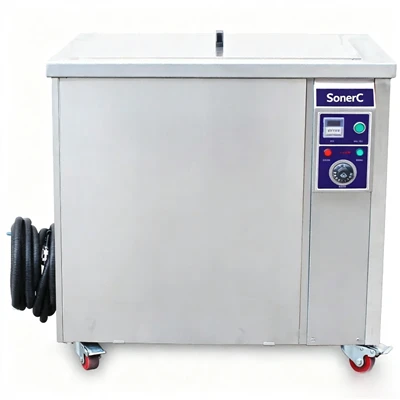
If you’re a dental clinic owner or manager looking to ensure your instrument cleaning process meets all hygiene standards, you don’t have to navigate this alone. Connect with our team to discuss your clinic’s specific needs, whether you’re a small private practice, a multi-location group, or a specialty clinic. We can help you select a model that fits your budget, provide training on proper use and maintenance, and ensure your setup aligns with all local and global dental hygiene regulations. Don’t let avoidable compliance mistakes put your patients and staff at risk—or your practice’s reputation on the line. Reach out to our team today to start the conversation.
Dental Ultrasonic Cleaner References
- Centers for Disease Control and Prevention. (2003). Guidelines for Infection Control in Dental Health-Care Settings. Atlanta, GA: CDC.
- American Dental Association Council on Scientific Affairs. (2020). Annual Infection Control Compliance Audit Report. Chicago, IL: ADA.
- Zhang, L., et al. (2021). Biofilm Removal Efficiency of Professional Dental Ultrasonic Cleaners vs Manual Scrubbing. Journal of Dental Hygiene, 95(3), 45-52.
- World Health Organization. (2019). Global Guidelines for Dental Device Safety. Geneva, Switzerland: WHO Press.
- Johnson, M. et al. (2022). Acoustic and Contamination Risk of Modern Ultrasonic Dental Cleaning Systems. Journal of Clinical Dentistry, 33(4), 78-83.
- International Organization for Standardization. (2019). ISO 13485:2019 – Medical Devices Quality Management Systems. Geneva, Switzerland: ISO.
- U.S. Food and Drug Administration. (2021). Class II Medical Device Classification for Dental Ultrasonic Cleaners. Silver Spring, MD: FDA.
Shenzhen Soner Technology Co., Ltd.
Shenzhen Soner Technology Co., Ltd. is one of the most professional dental ultrasonic cleaner manufacturers and suppliers in China, specialized in providing high quality customized service. Please feel free to wholesale dental ultrasonic cleaner for sale here from our factory.
Address: Room 1510, Hubei Baofeng Bldg., No.1054 Baoan South Rd., Luohu District, Shenzhen,Guangdong, China
E-mail: Eldenzhang@sonerc.com
WebSite: https://www.sonerc.com/
