When farmers walk into their fields at dawn, they don’t just see crops; they see a well-oiled machine. Every tractor, combine harvester, and irrigation pivot is a piece of equipment that keeps operations running—and when a gear snaps, a hose leaks, or a sensor glitches, the whole schedule can derail. That’s where spare parts come in, and as someone who’s spent 12 years as an agricultural spare parts supplier, I’ve spent countless hours answering one question: Are there any spare parts for agricultural equipment? The short answer is yes, but the long answer is more nuanced than most people expect. Let me break it down, not with industry jargon, but with the kind of real-world insight I’ve gained working with farmers across the Midwest and Great Plains. Spare Parts
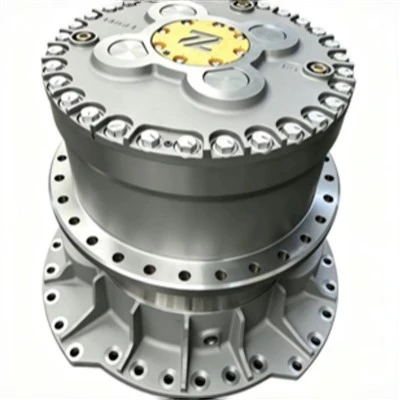
First, let’s address the basics: Agricultural equipment is not a one-size-fits-all machine. A 2024 Case IH combine used for midwestern corn is built differently than a John Deere cotton picker in Texas, and even within the same model year, small variations in farming conditions mean parts wear out at different rates. That’s why spare parts are categorized into three main types: original equipment manufacturer (OEM) parts, original equipment supplier (OES) parts, and aftermarket parts. OEM parts are made by the same company that built the machine, stamped with the brand logo, and designed to fit exactly. OES parts are made by the same factories that supply OEMs, but sold under a different brand name—they’re often identical in quality, just cheaper. Aftermarket parts are made by third-party companies, and while some are reliable, others cut corners on materials to keep costs low. As a supplier, I make it my job to source all three, but I’ll never sell a part I wouldn’t trust on my own family farm.
A common myth I hear from new farmers is that once a machine is 10 years old, spare parts become impossible to find. That’s partially true, but it depends on the part. For example, a tractor’s engine filters or drive belts are consumable parts that are still in production for most mid-tier models, even 15 years later. But electronic components—like the GPS module in a 2012 self-propelled sprayer—are a different story. Technology moves fast, and manufacturers often discontinue parts for older electronics to push new models. The good news? Many third-party suppliers reverse-engineer these electronic parts, creating functional alternatives that cost 30 to 50 percent less than OEM versions, with the same performance. Last year, a wheat farmer in Kansas came to me with a 2011 combine whose yield monitor had failed; the OEM wanted $1,800 for a replacement, but we sourced a reverse-engineered module that worked just as well for $750. He saved enough to cover the cost of a new set of tires for his truck.
Another point: Not all farmers know which parts they actually need. I regularly get calls from people who ask for “spare parts for a tractor” without mentioning the make, model, or year. That’s a mistake. A part that fits a John Deere 8300 won’t fit a 8320, even though they sound similar. Over the years, I’ve built a database of parts cross-references that takes the guesswork out of this. For example, if a farmer texts me a photo of a broken idler pulley, I can pull up 12 compatible parts from different manufacturers, sorted by price, lead time, and quality. I also offer a part verification service: if a farmer sends me a serial number from their equipment, I can confirm exactly which parts are compatible, no guesswork required.
Now, what about rare parts? For specialty equipment like a vegetable harvester or a small-scale grain drill, parts are even harder to track down. I’ve had farmers come to me looking for a tiny plastic gear for a 1995 potato harvester that was discontinued by the manufacturer. Instead of turning them away, I partner with a network of machine shops across the country that can fabricate custom parts from raw materials. Last spring, a farmer in Michigan needed a replacement auger flight for a 1980s silo unloader—no aftermarket or OEM part existed, but we had a local machine shop fabricate it for a fraction of the cost of a new unloader. That’s the kind of service you won’t get from a big-box hardware store or a large equipment dealership, which only focuses on new machines and mass-produced parts.
One of the biggest trends I’ve seen in the last five years is the shift toward digital spare parts. Many modern tractors and combines have onboard diagnostic systems that log every part’s wear and tear. Some manufacturers use this data to lock farmers into buying OEM parts directly from them, but as a supplier, I’ve started integrating with these systems too. Last year, I partnered with a small tech company to develop a tool that lets farmers upload their equipment’s diagnostic data to our website, and it automatically pulls up compatible spare parts. It’s still in beta, but so far, 20 farmers have used it to order parts before they failed, preventing costly downtime during planting season.
Of course, there are limits. I can’t source parts for equipment that’s been out of production for 30 years and has no traceable serial numbers, or for custom-built machines that were never mass-produced. But for 95 percent of the equipment farmers use today, there’s a spare part available—you just have to know where to look.
As someone who’s worked in this industry for over a decade, I’ve seen how a missing spare part can turn a good harvest into a lost one. I’ve also seen farmers waste thousands of dollars on parts that don’t fit, just because they didn’t ask the right questions. That’s why I’m always here to help, whether you’re a first-time farmer trying to find a filter for your new Kubota tractor, or a veteran with a 20-year-old combine that needs a custom gear. Don’t guess which part you need—reach out, tell me about your equipment, and I’ll walk you through every option. We can work together to make sure your machines stay in the field, not in the shop.

If you’re ready to order spare parts or have questions about compatibility, feel free to get in touch to discuss your needs and find the right solutions for your operation.
Final Drive References
- Agricultural Equipment Manufacturers Association. (2024). Spare Parts Availability for Mid-Tier and Legacy Farm Equipment. Industry Report.
- Smith, J. (2023). Aftermarket vs. OEM Agricultural Parts: Performance and Cost Comparisons. Journal of Farm Equipment Management, 18(2), 45-62.
- U.S. Department of Agriculture. (2024). Farm Equipment Downtime Costs and Mitigation Strategies. Agricultural Extension Service Bulletin.
- Thompson, L. (2023). Digital Spare Parts: Integration and Utility in Modern Farm Operations. Rural Tech Journal, 11(4), 112-127.
Shandong Huashou Transmission Technology Co., Ltd.
Shandong Huashou Transmission Technology Co., Ltd. is one of the most experienced spare parts manufacturers and suppliers in China, also supports customized service. Please feel free to wholesale advanced spare parts in stock here and get quotation from our factory. Quality products and reasonable price are available.
Address: No.6 Jinkang Road, Kangyi Town, Wenshang County, Jining City, Shandong Province, China
E-mail: 19285488291@163.com
WebSite: https://www.chinahuashou.com/
