If you’re a system operator or facility manager relying on vertical multistage pumps (VMSPs) for water supply, HVAC pressurization, or industrial process fluid transfer, there’s nothing more disruptive than watching your system pressure climb higher than the design spec—especially when you didn’t change any operating parameters recently. As a vertical multistage pump supplier with over 15 years of hands-on experience troubleshooting these systems, I’ve seen this issue show up in everything from small commercial office buildings to large municipal water booster stations, and more often than not, it’s not a flaw in the pump itself—it’s a mismatch between the pump, your system, or your operating setup. Let’s break down the most common, science-backed reasons your VMP is overpressurizing, and what you can do about them. Vertical Multistage Pump

First, it’s important to recap how a vertical multistage pump works, because that’s the foundation of diagnosing the problem. Unlike single-stage pumps that move fluid in one impeller, VMPs stack multiple small impellers on a single shaft, each adding a small amount of pressure to the fluid as it passes through. That design makes them compact, energy-efficient, and ideal for applications requiring moderate to high pressure—perfect for boosting city water pressure, circulating hot water in hydronic heating systems, or feeding process lines in manufacturing. But that modular, high-pressure design also means they’re sensitive to even small changes in system backpressure, flow rates, or control setup, which are the top culprits when overpressurization hits.
The most frequent mistake I see is an incorrect control setup, specifically mismatched pressure switch or transducer calibration. Here’s how that plays out: VMP systems are almost always controlled by pressure sensors that monitor the discharge line pressure. When pressure drops below the set point (say, 50 psi), the pump turns on, and when it hits the upper set point (maybe 60 psi), it turns off or modulates speed to match demand. But if that upper set point is calibrated too high, that’s an immediate overpressurization issue. A lot of facility operators or even third-party technicians will adjust the upper set point to “fix” low system pressure, not realizing that the VMP will keep running until it reaches that higher number, cranking up pressure beyond what the piping, valves, or connected equipment can handle. Last year, I worked with a 12-story apartment building where their maintenance team upped the pressure set point from 55 psi to 70 psi because some upper-floor faucets had weak flow. Within a week, they had 15 complaints of dripping shower heads, cracked ceramic toilet bases, and even a burst water heater expansion tank. The fix wasn’t a new pump—it was resetting the upper pressure set point to the manufacturer’s recommended 62 psi, and adding a pressure booster tank at the point of use to supplement the low flow on upper floors without overpressurizing the entire system.
A close second reason is system flow restriction, which tricks the pump into operating on a curve that delivers more pressure than designed. VMPs have a pump performance curve that plots flow rate against discharge pressure: as flow decreases (think of a faucet being partially closed or a filter that’s clogged), discharge pressure goes up. That’s physics, plain and simple—less fluid moving through the stacked impellers means more energy is converted into pressure instead of flow. The key here is whether that flow restriction is temporary or permanent. A clogged suction filter or a partially closed isolation valve that someone forgot to open after maintenance is a common temporary issue that causes short-term overpressurization. But if it’s a permanent restriction, like undersized piping or a closed bypass line that’s part of the pump’s designed operating path, that’s a long-term problem that will keep causing pressure spikes. For example, a food processing plant I consulted a couple of years ago had installed a 5-stage VMP to feed their cleaning-in-place (CIP) process lines, but they used 2-inch piping instead of the 3-inch size specified for the pump. The narrow piping created constant flow restriction, pushing the pump’s discharge pressure to 85 psi when it should have been capped at 65 psi. After switching to the correct size piping, their pressure stabilized, and they also saw a 12% drop in energy use because the pump wasn’t working harder to push fluid through small pipes.
Next, it’s not just the control setup or the system—it’s often the pump itself being mismatched to the application. This is one of the most avoidable issues, but it’s extremely common because many system designers or operators pick a VMP based only on flow rate, not pressure requirements. Let’s say you need a pump that delivers 50 gpm at 50 psi for your system. If you buy a VMP rated for 50 gpm at 70 psi, that same pump will still produce that extra 20 psi when operating at 50 gpm, because the extra impeller stages are adding unneeded pressure. That’s called “over-sizing for pressure” or “curving right” on the performance curve, and it’s a recipe for overpressurization. I once had a small manufacturing shop reach out because their VMP was blowing out pressure relief valves every month. Turns out their old pump had failed, and the mechanic replaced it with a used VMP that was for a higher-pressure industrial boiler system, not their low-pressure coolant loop system. The used pump had 7 impellers, when their original only had 4, so it was pushing almost 30 psi more than their system was rated for. The fix was simple: replacing the over-sized pump with a correctly rated 4-stage VMP matched to their coolant system’s 50 psi maximum.
Another often-overlooked factor is the pump’s control system type, especially when moving from a single VMP to a parallel or staged setup. If you have two or more VMPs operating in parallel to meet higher flow demand, their control systems have to be synchronized to avoid pressure overlap. For example, if Pump A turns on at 50 psi and Pump B turns on at 52 psi, once both are running, their combined flow causes pressure to spike to 65 psi, even if actual system demand is only enough for one pump. I’ve seen this in several multi-pump booster systems, where the control software isn’t set to ramp up pump activation points in sequence to prevent simultaneous pressure surges. In some cases, the problem is even simpler: a faulty pressure transducer that’s sending bad data to the control panel. A few months ago, I worked with a municipal water system that was reporting pressure spikes during off-peak hours, when no one was using water. Testing revealed the pressure transducer had a damaged diaphragm, so it was reading a false low pressure, which made the control panel start the pump, even though the actual system was already at 70 psi (its maximum rated pressure). Replacing the $150 transducer fixed the $10,000-a-month overpressurization issue instantly.
I also get asked a lot about whether the pump’s age or wear and tear can cause overpressurization, and the answer is: usually not, not unless the pump is severely damaged. VMPs are designed to be durable, and normal wear (like minor impeller wear from sediment) usually causes pressure to drop over time, not rise. The only time I’ve seen wear cause overpressurization is if the shaft seal or impeller is damaged in a way that creates backflow inside the pump. For example, if a impeller vane cracks, fluid can leak backward through the stages instead of moving forward, which causes the pump’s overall efficiency to drop, but wait—no, that causes pressure to drop. Wait, no, let me correct that: the only wear-related overpressurization I’ve encountered is when a check valve on the pump discharge line is stuck closed or partially closed. A check valve’s job is to prevent fluid from flowing backward through the pump when it turns off. If that check valve is stuck closed, when the pump runs, there’s nowhere for fluid to go, so pressure builds rapidly, hitting the maximum pressure in seconds. That’s a super dangerous scenario, because it can cause pump damage or pipe bursts. I had a customer last year who thought their pump was overpressurizing because of a bad control setup, but it turned out their check valve had corroded shut from years of running with stagnant water, which is common in systems that only use the pump periodically. Replacing the check valve fixed the issue immediately.
Now, let’s talk about what to do if you’re currently dealing with overpressurization with your VMP—here’s a step-by-step diagnostic that’s worked for my customers for years, no fancy tools required. First, verify your pressure readings with a manual gauge at the pump discharge line, not just the control panel. I can’t tell you how many times the control panel’s sensor is faulty, as I mentioned earlier, so a $20 analog gauge will confirm if the pressure is actually too high. Second, check your upper pressure set point and compare it to your system’s maximum rated pressure (that’s usually on your piping or equipment manufacturer’s label—never exceed that). If the set point is too high, adjust it down, and test the system for a few days to see if pressure stabilizes. Third, check for flow restrictions: make sure all isolation valves are fully open, suction filters are clean (clogged filters are a top cause of flow restriction), and there’s no physical blockage in the piping near the pump. Fourth, if you have multiple VMPs operating together, check their control settings to make sure activation points are staggered, not overlapping. Fifth, test the check valve on the discharge line: turn off the pump, open the line, and make sure the valve swings freely or operates correctly.
If after doing these steps you still have overpressurization, it’s likely that your pump is mismatched to your system, or there’s a more complex design issue. That’s where working with a reputable VMP supplier like mine makes all the difference—we don’t just sell pumps, we help you match the right pump to your system’s exact pressure and flow requirements, and we offer on-site troubleshooting and system audits to catch issues before they become costly problems.
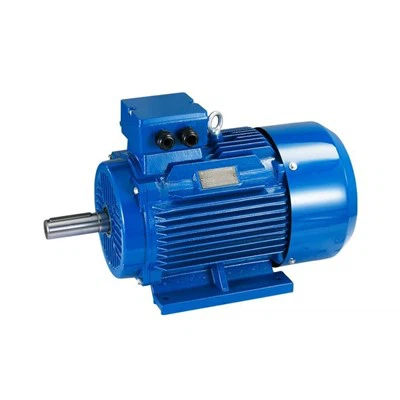
At the end of the day, vertical multistage pumps are reliable workhorses, but they’re not set-it-and-forget-it equipment. Overpressurization is almost always a fixable issue, whether it’s a $150 sensor, a $50 check valve, a $200 set point adjustment, or a correctly sized pump. If you’re currently dealing with overpressurization, or you’re planning a new installation and want to make sure you get the right VMP for your application, don’t hesitate to reach out to discuss your needs.
Pole-Changing Two-Speed Three-Phase Motor References
- Karassik, I. J., Messina, J. P., Cooper, P., & Heald, C. C. (2008). Pump Handbook (4th ed.). McGraw-Hill Education.
- American Society of Heating, Refrigerating and Air-Conditioning Engineers (ASHRAE). (2021). ASHRAE Handbook: HVAC Systems and Equipment. ASHRAE.
- Hydraulic Institute. (2019). ANSI/HI 9.6.1 Rotodynamic Pumps for Pump Intake Design. Hydraulic Institute.
- Miller, J. E. (2012). Water System Design Manual (2nd ed.). American Water Works Association.
Taizhou Goodpump Trading Co., Ltd.
We’re well-known as one of the most professional vertical multistage pump enterprises in China, featured by quality products and good service. Please rest assured to buy discount vertical multistage pump in stock here from our factory. For quotation, contact us now.
Address: No.38, District 6, Zhengye Village, Lunan Street, Luqiao District, Taizhou City, Zhejiang Province, China
E-mail: tabvip666@163.com
WebSite: https://www.goodpump-cn.com/
