If you’ve ever walked through a rig yard or a storage lot full of casing tubes, you know these aren’t your average pipes. They’re heavy, bulky, and one wrong move can turn a routine job into a trip to the infirmary—or worse. As a casing tube supplier, I’ve seen my share of close calls over the years, and trust me: safety isn’t just a buzzword here. It’s how we keep our team, our clients, and even the pipes themselves in good shape for the job ahead. Let’s break down how to handle casing tubes safely, no fluff, no fancy jargon, just what actually works on the ground. Casing Tube
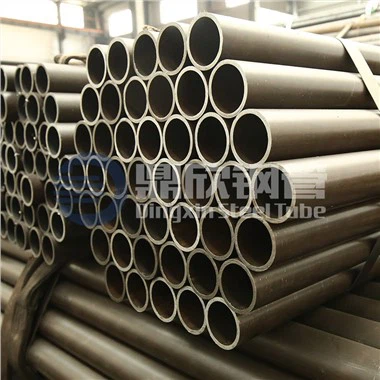
First off, let’s talk prep. You wouldn’t lift a fridge without checking your space, right? Same goes for casing tubes. Before you even touch one, do a quick walkaround of your work area. Is the ground compacted? Wet mud or loose gravel? That’s a no-go. Casing tubes (especially the bigger, 13 3/8-inch ones) weigh thousands of pounds, and if you set one down on soft ground, it can shift, roll, or sink in a second. I’ve had a client tell me they skipped the prep once, and a 20-foot tube rolled into a forklift—totaled the lift and a scratch on the pipe that ended up costing them time and cash down the line. Pro tip: Lay down steel plates or heavy-duty rubber mats if your lot is prone to mud, and clear out any tools, empty pallets, or random debris from the path you’ll use to move the tubes. No clutter = no tripping hazards, simple as that.
Next, personal protective equipment (PPE). I know, I know—everyone’s heard it a hundred times, but it’s non-negotiable here. Steel-toe boots aren’t just for show; a dropped tube can crush a foot so fast you won’t even react. Hard hats? Duh, but make sure they fit right—too loose and a falling pipe end could knock it off. Gloves? Not the cheap work gloves from the dollar store. Get thick, puncture-resistant ones—casing edges are sharp, and if your glove tears, you’re one slip away from a cut. Oh, and don’t skip the high-visibility vest, even if you’re working in a dim lot. Forklift operators, rig crews, even you—you need to be seen. I’ve seen guys cut corners on PPE and end up with a laceration or a bruise that took them off the job for a week. Safety gear isn’t optional here.
Now, moving the tubes. This is where most mistakes happen, and it’s not just about lifting with your knees (though that is part of it—don’t bend your back like a pretzel, trust me). First, never try to move a casing tube by yourself. Even a small 5-inch tube is 50+ feet long, and it can swing, rotate, or roll without warning. Always use a team—at least two people for smaller tubes, more for the big ones. When you’re using equipment—forklifts, cranes, or pipe rakes—double-check your attachments. For forklifts, never set the forks under just one end; space them evenly so the pipe is balanced. For cranes, use a proper sling—chain slings are better than nylon here because casing is heavy, and nylon can fray if it rubs against sharp edges. Make sure the sling is rated for at least twice the weight of the tube you’re lifting. I’ve had a sling snap before, and that’s a disaster no one wants to relive. Also, when you’re lifting, keep the pipe level until it’s clear of the ground—no tilting it mid-air, that’s how it swings into something.
Storage is another big one, and this is where suppliers and clients mess up all the time. When you’re storing casing tubes, don’t just stack them willy-nilly. First, stand them on wooden dunnock—blocks that are heavy and spaced 10 feet apart along the length of the tube. If you set a tube directly on the ground, moisture will creep up and cause rust, which weakens the pipe over time (not good for drilling jobs). If you’re horizontal, don’t stack more than 5 tubes high—higher than that and the bottom ones get crushed, and the whole stack can topple. If you’re standing them upright, make sure the base is on a flat, solid surface, and maybe strap them together with steel bands to keep them from tipping over. Last year, a local supplier’s stack of 7-inch tubes toppled over because they skipped the straps, and a tube broke a worker’s leg. That’s preventable.
Wait, what about inspecting the tubes before you handle them? You should always do a quick visual check for dents, cracks, or bent ends. A bent end might seem minor, but it can throw off alignment when you’re running the pipe on a rig, and it can also make the tube harder to handle—sharp edges or uneven spots can catch on your gloves or your equipment. If you spot a defect, mark the tube clearly and set it aside—don’t try to move it or use it until it’s inspected by a pro. Our team does a full inspection on every tube before it leaves our yard, but it’s still good to check again on the receiving end. Just a quick run of your hand along the length, look for any bulges or splits.
And here’s a thing most people don’t think about: communication. If you’re in a yard with multiple crews, yelling isn’t rude—it’s necessary. When you’re moving a tube, make sure everyone around you knows what’s happening. Use clear hand signals (no vague gestures) if you’re working near heavy equipment, and have a designated spotter who’s not involved in the lift to watch for hazards. I’ve seen a spotter miss a forklift coming around a corner because the team didn’t call out, and someone almost got hit. Even if you’re working alone, keep your phone handy for emergencies—program in your local medical number and your supplier’s number (that’s us, hint hint) in case you need to replace a damaged tube quickly.
Now, let’s talk about common mistakes we see clients make that lead to issues. A lot of people try to save time by not using the right equipment—like using a come-along to pull a tube instead of a crane. Come-alongs are for light stuff, not 10,000-pound pipes. That’s how you yank a tube out of alignment or cause it to swing and hit someone. Another one: not following weight limits on forklifts or cranes. If your forklift says it can carry 5,000 pounds, don’t load it with a 6,000-pound tube. You’ll tip the lift, and that’s a crash waiting to happen.
As a casing tube supplier, we don’t just sell you pipes—we want your project to go smoothly, and that starts with safety. If you’re handling casing tubes and need a reliable supplier who stands behind safe, high-quality pipes, hit us up to chat about your needs. We can answer any questions you have about handling, storage, or even what size pipe works best for your job—no sales pitch, just real advice from people who’ve been in the industry for years.

Remember, safety isn’t a one-time thing. It’s a habit you build every time you grab a pair of gloves, check the ground, or communicate with your team. Skip the small steps, and you might get away with it once, but eventually, it’ll catch up. Take it from someone who’s seen it all: slow down, prep, gear up, and work as a team. That’s how you handle casing tubes safely, and that’s how you keep your crew, your equipment, and your pipes in good shape.
Honed Tube References
- Occupational Safety and Health Administration. (2021). Guidelines for Handling Heavy Pipe and Tubular Goods in Construction and General Industry.
- American Petroleum Institute. (2019). Recommended Practice for Safe Handling, Storage, and Transportation of Line Pipe and Casing.
- Journal of Occupational and Environmental Hygiene. (2020). Ergonomic Risks in Manual Handling of Large Diameter Tubular Steel Products.
Zhejiang Dingxin Steel Tube Manufacturing Co., Ltd.
Zhejiang Dingxin Steel Tube Manufacturing Co., Ltd. is one of the most professional casing tube manufacturers and suppliers in China. We have world-leading production equipment and strong manufacturing capabilities. Please feel free to wholesale high quality casing tube at competitive price from our factory.
Address: Liuli Industrial Zone, Haiyan, Zhejiang Province, China
E-mail: sales@dingxintube.cn
WebSite: https://www.dingxinsteeltube.com/
