As a supplier of breaker machines, I understand the paramount importance of operator safety when using these powerful tools. Breaker machines are essential in various industries such as construction, mining, and demolition. However, they also pose significant risks if not used correctly. In this blog post, I will share some key strategies to ensure the safety of operators when using a breaker machine. Breaker Machine

Pre – operation Safety Checks
Before starting the breaker machine, a series of pre – operation safety checks should be carried out. First, inspect the machine’s physical condition. Check for any visible damage to the housing, handles, and power cords. A cracked housing or frayed cord can lead to electrical hazards or mechanical failures during operation.
Examine the breaker bit. Ensure it is properly installed and in good condition. A loose or damaged bit can dislodge during use, causing serious injuries to the operator or bystanders. The bit should be sharp and free from excessive wear, as a dull bit may require more force to operate, increasing the risk of operator fatigue and potential accidents.
Verify the lubrication levels of the machine. Adequate lubrication is crucial for the smooth operation of the breaker. Insufficient lubrication can cause overheating, increased friction, and premature wear of internal components, which may lead to sudden breakdowns. Refer to the machine’s manual for the correct lubricant type and the recommended lubrication intervals.
Check the air supply system if it is a pneumatic breaker. Ensure that the air hoses are properly connected, free from leaks, and in good condition. A leaking air hose can reduce the machine’s efficiency and may also pose a tripping hazard. The air pressure should be set within the recommended range specified by the manufacturer.
Personal Protective Equipment (PPE)
Proper use of personal protective equipment is non – negotiable when operating a breaker machine. The most fundamental PPE is safety goggles. Breaker machines generate a lot of dust, debris, and flying particles. Safety goggles protect the eyes from these hazards, reducing the risk of eye injuries such as corneal abrasions or foreign object penetration.
Ear protection is also essential. The high – intensity noise produced by breaker machines can cause permanent hearing loss over time. Operators should wear either earplugs or earmuffs with an appropriate noise – reduction rating. To ensure maximum effectiveness, the ear protection should be properly fitted and worn consistently during operation.
A hard hat is a must to protect the operator’s head from falling objects or accidental impacts. In construction and demolition sites, there is always a risk of debris falling from above or the machine itself tipping over. A well – fitted hard hat can significantly reduce the severity of head injuries.
Gloves are required to protect the hands from vibrations, impacts, and potential cuts. Vibration – resistant gloves can help reduce the risk of hand – arm vibration syndrome, a condition that can cause numbness, tingling, and loss of dexterity in the hands. Durable work gloves also provide protection against sharp edges and cuts from the machine or the materials being broken.
Steel – toed boots are necessary to safeguard the feet from falling objects, crushed toes, and punctures. In a busy work environment, there is a high probability of heavy objects dropping on the feet, and steel – toed boots act as a reliable barrier.
Operator Training
Comprehensive operator training is the cornerstone of ensuring safety when using a breaker machine. Operators should be trained on the proper operation of the specific breaker model they will be using. This includes understanding the machine’s controls, starting and stopping procedures, and how to adjust settings such as impact force and speed.
Training should also cover the correct handling techniques. Operators need to learn how to hold the breaker machine firmly to maintain control during operation. Improper handling can lead to the machine jerking or slipping, increasing the risk of injury. They should be taught how to position themselves correctly to avoid awkward postures that can cause fatigue and musculoskeletal injuries.
In addition to operation and handling, operators should be educated on the potential hazards associated with breaker machines and how to prevent them. This includes knowledge of electrical safety, fire safety (if applicable), and the proper response to emergency situations such as machine malfunctions or sudden power outages.
Regular refresher training courses are also important. As new safety standards and technologies emerge, operators need to stay updated to ensure they are using the breaker machine in the safest way possible.
Safe Work Environment
Creating a safe work environment is crucial for operator safety. The work area should be well – lit to ensure that the operator can clearly see the work surface and the machine’s operation. Poor lighting can lead to mistakes and accidents, especially when working in confined spaces or at night.
The work area should be free from clutter and obstacles. Tripping hazards such as loose cables, tools, or debris can cause the operator to fall, potentially resulting in serious injuries. A clean and organized work area also allows for easier movement of the operator and the machine.
If the work is being done indoors, proper ventilation is necessary. Breaker machines can generate dust and fumes, especially when breaking concrete or other materials. Inadequate ventilation can lead to the accumulation of harmful substances in the air, which can cause respiratory problems for the operator.
Barriers and warning signs should be set up around the work area to prevent unauthorized access. This helps protect bystanders from the potential hazards associated with the breaker machine. Warning signs should clearly indicate the danger zone and the safety precautions that need to be taken.
Maintenance and Inspection
Regular maintenance and inspection of the breaker machine are essential for its safe operation. A maintenance schedule should be established based on the manufacturer’s recommendations. This includes tasks such as cleaning the machine, replacing worn parts, and checking the overall performance of the machine.
During maintenance, all safety features should be tested to ensure they are functioning properly. These include safety switches, emergency stop buttons, and guards. Any malfunctioning safety feature should be repaired or replaced immediately.
Periodic inspections should also be carried out by a qualified technician. These inspections can detect potential problems that may not be obvious to the operator. For example, internal component wear or electrical issues can be identified early, preventing major breakdowns and safety hazards.
Monitoring and Supervision
In a work setting, it is important to have constant monitoring and supervision of operators using breaker machines. Supervisors should ensure that operators are following all safety procedures and wearing the appropriate PPE. They should also be available to provide immediate assistance in case of an emergency.
Monitoring can also involve keeping track of the operator’s working hours. Operating a breaker machine for long periods can lead to fatigue, which can impair the operator’s judgment and reaction time. By limiting the working hours and providing adequate rest breaks, the risk of accidents due to fatigue can be reduced.
Real – world Case Studies
Let me share a real – world example to illustrate the importance of these safety measures. There was a construction site where an operator was using a breaker machine without wearing proper ear protection. Over time, the operator began to experience hearing loss and tinnitus. This not only affected his quality of life but also his ability to work effectively. In contrast, on another site, operators were provided with comprehensive training and appropriate PPE. They followed all the safety procedures, and the work was completed without any major safety incidents.
Conclusion
Ensuring the safety of operators when using a breaker machine requires a combination of pre – operation checks, proper use of PPE, comprehensive training, a safe work environment, regular maintenance, and monitoring. By implementing these strategies, we can significantly reduce the risk of accidents and injuries associated with breaker machine operation.
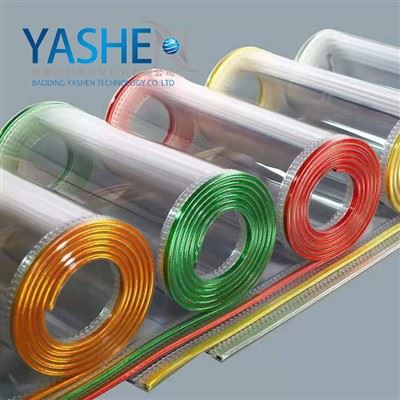
PVC Cling Film As a breaker machine supplier, I am committed to providing high – quality machines and promoting safety in the workplace. Our products are designed with safety features built – in, but it is also the responsibility of the operators and employers to follow the best safety practices. If you are interested in purchasing our breaker machines or have any questions about safety or operation, please feel free to contact us. We are here to help you make informed decisions and ensure the safe and efficient use of our products.
References
- Manufacturer’s manuals of breaker machines.
- Occupational safety and health regulations for construction and related industries.
- Industry – specific safety guidelines on the use of power tools.
Baoding Yashen Technology Co., Ltd.
Baoding Yashen Technology Co., Ltd. is well-known as one of the leading breaker machine manufacturers and suppliers in China. If you’re going to buy bulk high quality breaker machine in stock, welcome to get free sample from our factory. For customized service, contact us now.
Address: Qingyuan Industrial Area, Baoding, Hebei, China.
E-mail: info@yashenchina.com
WebSite: https://www.yashenchina.com/
