Hey there! I’m a guy in the fasteners business. You know what fasteners are? They’re those little bits and bobs that hold stuff together. Nails, screws, bolts, nuts – they’re all fasteners. And let me tell you, they’re super important in all sorts of industries. I’ve been in this game for a while, and I’ve seen firsthand how these things work and why they’re so crucial. So, in this blog, I’m gonna break down how fasteners work and why you might need them. Fasteners

Let’s start with the basic types of fasteners. There are two main kinds: permanent and non – permanent. Permanent fasteners, like rivets and nails, are meant to stay put once they’re installed. Once you hammer a nail into wood or pop a rivet in place, it’s not coming out easily without some serious effort. Non – permanent fasteners, on the other hand, can be removed and reused. Think of screws and nuts and bolts. You can just turn a screwdriver or a wrench, and you can take them apart and put them back together as many times as you want.
How Nails Work
Nails are one of the oldest types of fasteners. They’re pretty simple, but they get the job done. When you hammer a nail into a piece of wood, for example, the pointed end of the nail pushes the wood fibers apart. As you keep hammering, the nail goes deeper into the wood. The friction between the nail and the wood fibers holds the nail in place. The more the nail is driven in, the greater the frictional force. And this frictional force is what keeps the two pieces of wood (or whatever materials you’re joining) together.
The shape of the nail also matters. A larger – diameter nail will generally provide more holding power because it has a greater surface area in contact with the wood fibers. The length of the nail is important too. If the nail is too short, it won’t have enough contact with the wood to hold well. But if it’s too long, it might go all the way through the wood and not give you the best grip.
How Screws Work
Screws are a bit more sophisticated than nails. They have threads on the shaft. When you turn a screw into a material, the threads dig into the material. It’s like a corkscrew going into a cork. The threads create a helix path inside the material. As you keep turning, the screw moves deeper into the material.
The key to a screw’s holding power is the interaction between the threads and the material. Different types of screws are designed for different materials. For example, wood screws have a sharp point and coarse threads that are good at gripping wood fibers. Machine screws, on the other hand, are used with metal and have finer threads. The pitch of the threads (the distance between each thread) also affects how the screw works. A screw with a fine pitch will turn more times to go the same distance as a screw with a coarse pitch, but it can provide a stronger hold in some cases.
How Bolts and Nuts Work
Bolts and nuts work together as a pair. A bolt is a threaded rod, and a nut is a small, usually hexagonal piece with internal threads that match the threads on the bolt. When you insert a bolt through holes in two or more pieces of material and then screw a nut onto the end of the bolt, you’re creating a clamping force.
As you tighten the nut, it pulls the bolt head and the nut towards each other, squeezing the materials in between. This clamping force is what holds the materials together. The amount of clamping force depends on how tight you can turn the nut. You can use a wrench to tighten the nut, and the more torque you apply, the greater the clamping force. But be careful not to over – tighten, because you could damage the bolt, the nut, or the materials you’re joining.
Rivets
Rivets are a type of permanent fastener. They’re often used in metalworking. A rivet has a head on one end and a shank. To install a rivet, you first drill a hole in the materials you want to join. Then you insert the rivet into the hole. The end of the rivet that doesn’t have a head is then deformed, usually by using a special tool. This deformed end acts like a second head, holding the rivet in place and clamping the materials together.
The advantage of rivets is that they provide a very strong and reliable connection. They’re used in things like airplanes, bridges, and cars. Since they’re permanent, they’re less likely to come loose due to vibration or other forces.
Why Fasteners Matter
Fasteners are everywhere. In construction, they hold buildings together. Without the right fasteners, a building could fall apart. In manufacturing, they’re used to assemble all sorts of products, from small electronics to big machinery. In automotive, they keep the engine, the body, and all the other parts in place.
As a fasteners supplier, I know how important it is to have the right fasteners for the job. Using the wrong type of fastener can lead to all sorts of problems. For example, if you use a nail that’s too weak for a heavy – duty construction project, it could bend or break, and the structure might not be stable. If you use a screw that’s not designed for the material you’re working with, it might not grip properly and could come loose over time.
Choosing the Right Fasteners
When you’re choosing fasteners, there are a few things to consider. First, think about the materials you’re joining. Different materials require different types of fasteners. For example, as I mentioned earlier, wood needs wood – specific fasteners, and metal needs metal – specific ones.
The load that the fastener will need to bear is also important. If you’re building something that’s going to have a lot of weight or stress on it, you’ll need strong fasteners. You’ll want to look at things like the tensile strength and shear strength of the fasteners. Tensile strength is how much pulling force a fastener can withstand, and shear strength is how much sideways force it can handle.
Another factor is the environment. If the fasteners will be exposed to moisture, chemicals, or high temperatures, you need to choose ones that can withstand those conditions. For example, in a marine environment, you’ll want fasteners that are corrosion – resistant.
Our Fasteners as a Supplier
As a fasteners supplier, we offer a wide range of fasteners to meet all your needs. We’ve got high – quality nails, screws, bolts, nuts, and rivets. We source our products from top – notch manufacturers, so you can be sure that you’re getting reliable and durable fasteners.
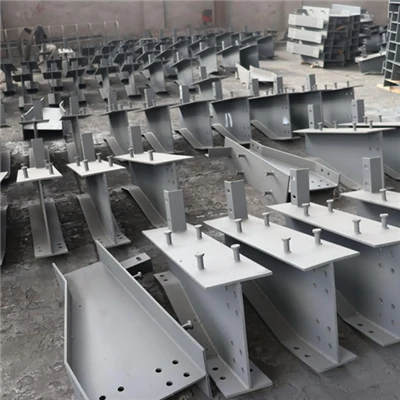
We understand that every project is different, so we’re here to help you choose the right fasteners. Our team of experts has years of experience in the fasteners industry. Whether you’re a small DIYer working on a home project or a big construction company building a skyscraper, we can provide you with the fasteners you need at a great price.
Time to Get in Touch!
Purlins & Girts If you’re in the market for fasteners, don’t hesitate to reach out to us. We’d love to have a chat with you about your project and what fasteners would work best for it. Whether you need a small quantity for a weekend project or a large order for a big – scale job, we’ve got you covered. Contact us, and let’s start talking about how we can help you with your fastener needs.
References
- Machinery’s Handbook, 31st Edition
- The Fastener Museum: A Comprehensive Guide to Fasteners
GNEE Steel Structure (Tianjin) Co., Ltd.
As one of the most professional fasteners manufacturers and suppliers in China, we have world-leading production equipment and strong manufacturing capabilities. Please rest assured to buy customized fasteners at competitive price from our factory. For quotation, contact us now.
Address: No.4-1114, Beichen Building, Beicang Town, Beichen District, Tianjin, China
E-mail: info@gescosteel.com
WebSite: https://www.gneesteelstructure.com/
