When it comes to the intersection of halal capsules and alcohol, there’s a lot of curiosity and uncertainty in the market. As a supplier of halal capsules, I’ve fielded numerous questions from customers about the potential interactions between these two substances. In this blog post, I’ll delve into the scientific aspects of this topic, drawing on industry knowledge and research to provide a comprehensive understanding. HALAL Capsules

Understanding Halal Capsules
First, let’s clarify what halal capsules are. Halal, an Arabic term meaning "permissible," refers to products and practices that comply with Islamic law (Shariah). Halal capsules are specifically formulated and manufactured to meet these religious requirements. They are typically made from materials such as gelatin derived from halal – slaughtered animals, or from vegetarian sources like cellulose. These capsules are used widely in the pharmaceutical, nutraceutical, and food industries to encapsulate various substances, including medications, vitamins, and supplements.
The production of halal capsules involves strict quality control and adherence to Islamic guidelines. Every step, from sourcing the raw materials to the final manufacturing process, is carefully monitored to ensure that no non – halal ingredients or processes are involved. This commitment to halal integrity is what makes these capsules a preferred choice for consumers who follow Islamic dietary laws.
The Science of Substance Interactions
To understand whether halal capsules interact with alcohol, we need to look at the chemical and physical properties of both substances. Alcohol, in its most common form of ethanol, is a small, volatile molecule that can dissolve in water and many organic solvents. It is rapidly absorbed into the bloodstream through the stomach and small intestine, and it can cross cell membranes easily.
Halal capsules, on the other hand, are designed to be stable carriers for the substances they encapsulate. The materials used in their production, such as gelatin or cellulose, are generally inert and do not react chemically with most substances under normal conditions. Gelatin is a protein – based substance, and cellulose is a complex carbohydrate. Both have a relatively stable chemical structure.
In most cases, there is no direct chemical interaction between the materials of halal capsules and alcohol. When a halal – encapsulated product comes into contact with alcohol in the body, the capsule’s primary function is to protect the encapsulated substance until it reaches the appropriate site of absorption. The capsule will gradually dissolve in the digestive tract, releasing its contents. Alcohol, meanwhile, is metabolized in the liver by enzymes such as alcohol dehydrogenase and acetaldehyde dehydrogenase.
Factors that Could Influence Interaction
However, there are some factors that could potentially affect the relationship between halal capsules and alcohol. One such factor is the pH of the environment. The digestive system has different pH levels in different parts. For example, the stomach has a highly acidic environment (pH around 1 – 3), while the small intestine is more alkaline (pH around 7 – 8). Both alcohol and the breakdown products of halal capsules can be affected by these pH changes.
In an acidic environment, alcohol may cause some changes in the solubility or stability of the capsule material. For instance, if the capsule is made of gelatin, excessive alcohol in the stomach could potentially denature the gelatin protein to some extent. This could lead to a slightly different rate of capsule dissolution and release of the encapsulated substance.
Another factor is the presence of other substances. Many medications and supplements encapsulated in halal capsules contain additional excipients or active ingredients. These substances could interact with alcohol independently. For example, some medications may have reduced efficacy or increased side effects when taken with alcohol. So, while the halal capsule itself may not interact with alcohol, the contents inside it could.
Safety and Consumption Considerations
From a safety perspective, it’s important to note that consuming halal capsules with alcohol is not generally considered dangerous in terms of a direct chemical interaction between the capsule and alcohol. However, it’s always advisable to follow the instructions provided with any encapsulated product.
If a person is taking a medication or supplement in a halal capsule, they should consult their healthcare provider before consuming alcohol. This is because, as mentioned earlier, the active ingredients in the capsule could interact with alcohol in ways that affect health. For example, some medications for pain or anxiety can have additive sedative effects when combined with alcohol, leading to increased drowsiness and impaired judgment.
For consumers who follow Islamic dietary laws, the issue goes beyond just the scientific interaction. Alcohol is strictly prohibited in Islam, and Muslims are expected to avoid any form of it. So, regardless of the lack of a direct interaction between halal capsules and alcohol, adherents would steer clear of consuming alcohol while taking halal – encapsulated products.
Market Implications for Halal Capsule Suppliers
As a halal capsule supplier, understanding the potential interactions between our products and alcohol is crucial. We need to provide accurate information to our customers, whether they are pharmaceutical companies, nutraceutical manufacturers, or end – consumers.
Pharmaceutical and nutraceutical companies are increasingly aware of the importance of halal certification. They need to ensure that their products are not only effective but also compliant with the religious beliefs of a large segment of the population. By providing clear information about the non – interaction between our halal capsules and alcohol, we can build trust with these companies.
For end – consumers, especially those who follow Islamic dietary laws, transparency is key. We should communicate the safety and integrity of our halal capsules, and also provide guidance on proper consumption. This helps to create a positive brand image and ensure customer loyalty.
Promoting Healthy and Compliant Consumption
To promote healthy and compliant consumption of halal capsules, we at our company are committed to several initiatives. First, we are continuously investing in research to understand the properties of our capsule materials better and how they may interact with different substances, including alcohol. This research allows us to provide up – to – date information to our customers.
Second, we offer education and training programs for our business partners. These programs cover topics such as halal certification, product safety, and proper usage of halal capsules. By empowering our partners with knowledge, we can ensure that they pass on accurate information to the end – consumers.
Finally, we are actively involved in industry associations and regulatory bodies. This allows us to stay informed about the latest regulations and standards related to halal products. We also contribute to the development of best practices in the industry, which ultimately benefits all stakeholders.
Encouraging Contact for Procurement
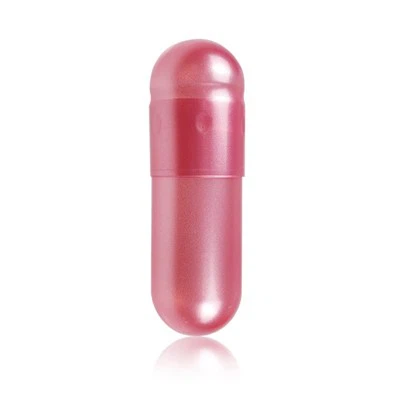
If you’re in the pharmaceutical, nutraceutical, or food industry and are looking for high – quality halal capsules, I encourage you to reach out to us. Our team of experts can provide you with detailed information about our products, including their composition, manufacturing process, and safety data. We have a wide range of halal capsule options to meet your specific requirements, whether you need capsules for soft – gels, hard – shells, or specialized applications.
Liquid-Filled Capsules We understand the importance of compliance and quality in your industry, and we are dedicated to providing you with the best – in – class halal capsules. Don’t hesitate to contact us to start a discussion about your procurement needs. We look forward to working with you to ensure the success of your products.
References
- Ahmad, M., & Rahman, A. (2018). Halal Food Industry: A Global Perspective. Journal of Islamic Marketing, 9(2), 192 – 207.
- Beasley, D. M., & Bisson, K. J. (2013). Alcohol Metabolism and Molecular Actions: Personalized Medicine. Alcohol Research: Current Reviews, 35(1), 3 – 14.
- European Pharmacopoeia (2020). Gelatin Monograph. Council of Europe.
- United States Pharmacopeia (2021). Cellulose – based Capsule Materials. USP Convention.
Hubei Kornnac Pharmaceutical Co., Ltd.
Hubei Kornnac Pharmaceutical Co., Ltd. is one of the most professional halal capsules manufacturers and suppliers in China, specialized in providing high quality OEM service. Welcome you to buy bulk customized halal capsules at competitive price from our factory. Also, samples are available.
Address: No.439 Hebei Avenue, Chibi, Hubei Province, 437300, China.
E-mail: service@kornnaccaps.com
WebSite: https://www.kornnaccaps.com/
