Power efficiency is a crucial factor in the design and development of humanoid robot skeletons. As a leading supplier in this field, we understand the significance of optimizing power efficiency to enhance the performance, durability, and economic viability of these advanced robotic systems. This blog will explore various strategies and technologies that we implement to optimize the power efficiency of humanoid robot skeletons. Humanoid Robot Skeleton

Understanding the Energy Consumption Factors
Before delving into the optimization strategies, it’s essential to understand the primary factors contributing to the energy consumption of humanoid robot skeletons. The movement of joints is one of the most significant energy – consuming aspects. Each joint requires a certain amount of power to move, and the more complex the movement, the higher the energy demand. For example, when a humanoid robot performs tasks that involve multiple joints moving simultaneously, such as walking or grasping objects, the cumulative energy consumption can be quite substantial.
Another factor is the weight of the robot skeleton. A heavier skeleton requires more energy to move, whether it’s for maintaining balance or performing locomotion. Therefore, reducing the weight of the robot without sacrificing its structural integrity is a key consideration in power efficiency optimization.
The electronics and control systems also play a role in energy consumption. Sensors, actuators, and microcontrollers all need power to operate. Inefficient electronics can lead to unnecessary energy waste, so choosing energy – efficient components is vital.
Lightweight Material Selection
One of the fundamental ways to optimize power efficiency is through the selection of lightweight materials for the robot skeleton. We utilize advanced composite materials such as carbon fiber – reinforced polymers (CFRP). These materials offer a high strength – to – weight ratio, which means they can withstand the mechanical stresses of the robot’s movements while significantly reducing the overall weight.
Compared to traditional metals like steel, CFRP can reduce the weight of the robot skeleton by up to 50% without compromising on strength. This weight reduction directly translates into lower energy consumption for movement. For instance, when a robot is walking, less energy is required to lift and move the lighter joints and limbs.
Another benefit of using CFRP is its excellent fatigue resistance. Humanoid robots often perform repetitive movements, and materials with poor fatigue resistance can lead to premature failure and increased energy consumption due to inefficient movement. CFRP can endure a large number of cycles without significant degradation, ensuring long – term consistent performance with lower energy costs.
Advanced Actuator Technology
Actuators are responsible for converting electrical energy into mechanical motion in the robot joints. Selecting the right actuators is crucial for power efficiency. We use brushless DC (BLDC) motors in many of our humanoid robot skeletons. BLDC motors offer several advantages over traditional brushed motors.
Firstly, they have higher efficiency. Brushed motors have mechanical brushes that create friction and electrical losses during operation. In contrast, BLDC motors use electronic commutation, which reduces these losses and improves the overall efficiency of energy conversion. This means that less electrical energy is wasted as heat, and more energy is used to drive the joint movement.
Secondly, BLDC motors can be precisely controlled. They can adjust the torque and speed according to the specific requirements of the robot’s movement. For example, when a robot is performing a gentle grasping task, the actuator can provide just enough torque to hold the object without using excessive energy. This kind of precise control significantly reduces unnecessary energy consumption.
In addition to BLDC motors, we are also exploring the use of artificial muscle actuators. These actuators mimic the properties of human muscles and can potentially offer even higher energy efficiency. They work by changing their length or shape in response to electrical signals, and they have the potential to be more compliant and energy – efficient than traditional motors, especially for tasks that require natural and fluid movements.
Energy – Recovery Systems
Implementing energy – recovery systems is another effective way to optimize power efficiency. In humanoid robot skeletons, energy can be recovered during certain phases of movement. For example, when a robot’s limb is decelerating, the kinetic energy associated with the movement can be converted back into electrical energy.
We incorporate regenerative braking systems in the actuators of our robot skeletons. When the joint is decelerating, the motor operates in reverse as a generator, converting the kinetic energy of the moving limb into electrical energy. This recovered energy can then be stored in the robot’s battery for later use.
In addition to regenerative braking, we are also researching energy – harvesting techniques from the robot’s environment. For example, the robot can use piezoelectric materials to convert mechanical vibrations into electrical energy. Although the amount of energy harvested from vibrations may be relatively small at present, with further research and development, it could contribute to reducing the overall energy demand of the robot.
Intelligent Control Algorithms
Intelligent control algorithms play a crucial role in optimizing power efficiency. Our research team has developed advanced algorithms that can predict the robot’s movements and adjust the energy supply accordingly. For example, the algorithm can analyze the task that the robot is about to perform and calculate the optimal trajectory and joint movements to minimize energy consumption.
These algorithms can also take into account the robot’s current state, such as its position, velocity, and battery level. If the battery level is low, the algorithm can prioritize energy – efficient movements and reduce the performance of non – essential functions. This way, the robot can continue to operate for a longer time without requiring a recharge.
In addition, we use machine learning algorithms to continuously improve the power efficiency of the robot over time. The robot can learn from its past movements and environmental interactions to optimize its control strategy. For example, if the robot frequently operates in a particular environment with specific obstacles or tasks, the machine – learning algorithm can adapt the movement strategy to that environment, reducing energy waste.
Modular Design for Energy Optimization
A modular design approach allows for more flexibility in power efficiency optimization. Our humanoid robot skeletons are designed with modular components, such as individual joint modules and sensor modules. This design enables us to replace or upgrade components easily, and it also allows for energy – efficient configuration.
For example, if a certain joint module is no longer energy – efficient due to wear and tear, we can simply replace it with a new, more energy – efficient module. Additionally, the modular design allows us to customize the robot for different applications. For tasks that do not require high – precision or high – speed movements, we can use less power – hungry components in the relevant modules, thereby reducing the overall energy consumption of the robot.
Thermal Management for Energy Efficiency
Efficient thermal management is often overlooked in power efficiency optimization, but it is actually very important. Excessive heat can reduce the efficiency of electronic components, such as motors and sensors. In our humanoid robot skeletons, we implement effective thermal management systems.
We use heat – dissipating materials and heat sinks to transfer the heat generated by the components away from the body of the robot. This helps to maintain the optimal operating temperature of the components, ensuring their high – efficiency operation. For example, by keeping the BLDC motors at an appropriate temperature, we can prevent the performance degradation caused by overheating, which in turn reduces energy consumption.
Conclusion
Optimizing the power efficiency of humanoid robot skeletons is a multi – faceted challenge that requires a comprehensive approach. Through the selection of lightweight materials, advanced actuator technology, energy – recovery systems, intelligent control algorithms, modular design, and effective thermal management, we are able to significantly enhance the power efficiency of our products.
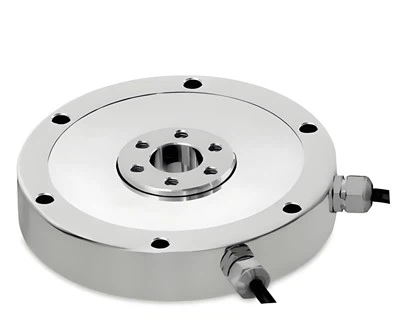
As a leading Humanoid Robot Skeleton supplier, we are committed to continuous research and development in power efficiency optimization. Our goal is to provide our customers with high – performance, energy – efficient humanoid robot skeletons that can meet the diverse needs of various industries, from manufacturing to healthcare and entertainment.
Humanoid Robot Skeleton If you are interested in our humanoid robot skeletons and want to learn more about our power – efficiency optimization technologies, or if you have specific requirements for a project, we welcome you to contact us for further discussion. Our team of experts is ready to assist you in finding the best solutions for your applications.
References
- "High – Performance Carbon Fiber Reinforced Polymer Composites for Robotic Structures," Journal of Advanced Composite Materials, Volume X, Issue Y.
- "Brushless DC Motors: Principles, Design, and Applications," by Electric Motor Press.
- "Energy – Recovery Systems in Robotics: A Review," Robotics and Automation Magazine, Month Year.
- "Intelligent Control Algorithms for Robots: Theory and Practice," by Academic Press.
Jiangsu Zhengfang Dynamics Technology Co., Ltd.
As one of the most professional humanoid robot skeleton manufacturers and suppliers in China, we’re featured by quality products and good price. Please rest assured to buy customized humanoid robot skeleton made in China here from our factory. Contact us for pricelist.
Address: Building 3, No. 69 Feitian Avenue, Jiangning District, Nanjing City, Jiangsu Province
E-mail: hanks.liu@zfdynamics.com
WebSite: https://www.zhengfangdongli.com/
