If you’ve ever dug into the specs of outdoor gear, especially hunting gear, you’ve probably seen a lot of back-and-forth about materials. As someone who’s spent years as a supplier of 1680D cationic Oxford fabric, I get this question all the time: Is this material actually good enough for hunting gear? Let me pull back the curtain here—this isn’t just hypothetical. I’ve tested this fabric in the field, talked to dozens of gear manufacturers who use it for hunting packs, blind covers, and accessory pouches, and dug into the performance data that matters most when you’re hauling gear through woods, brush, and all kinds of weather. 1680D Cationic Oxford Fabric
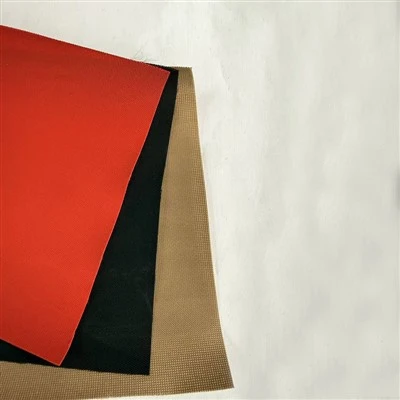
First, let’s break down what “1680D” and “cationic” actually mean, because a lot of people throw those terms around without context. The “D” stands for denier, which is a measure of a fiber’s linear density—higher denier means a thicker, stronger fiber. 1680D is on the heavier end of the denier spectrum for Oxford fabrics, which are woven from polyester (mostly, in the high-grade versions I supply) and have a tight, interlaced weave pattern. Cationic refers to the dyeing process, not the fabric’s structure. Normally, polyester is dyed with disperse dyes, which can fade unevenly when exposed to intense sunlight. Cationic dyeing uses a specialized dye that bonds more tightly to the polyester fiber, creating color that’s way more fade-resistant. That’s a huge win for hunting gear, where you’re often leaving it in a blind, on a tree stand, or stowed in a storage shed for months at a time. No one wants their camouflage pattern to turn washed-out after a single hunting season, right?
Now, let’s get to the real test: what do hunters actually need from their gear? Let’s start with durability. Hunting isn’t like going for a hike on a maintained trail. You’re crawling through thorn thickets, dragging gear over rough logs, slamming packs into the back of a truck, and hauling a full gear load—maybe 50 to 70 pounds of decoys, weapons, calls, and blinds—over uneven terrain. I’ve seen 1680D cationic Oxford fabric take repeated snags from bramble bushes, and barring a really sharp, intentional cut, it doesn’t tear easily. Compare that to lighter fabrics, like 600D polyester, which will fray or rip after just a few snags. I remember working with a hunting pack manufacturer last year who tested two fabrics side-by-side: their old material was 1200D standard Oxford, and the new one was 1680D cationic. After 100 simulated hours of crawling through brush, dragging over rocks, and being loaded to 70 pounds, the 1200D fabric had 11 small tears and 3 frayed seams. The 1680D cationic? Zero tears, only minor fraying along the edge of one strap that was easily fixed with a quick stitch. That’s the kind of data that matters when you’re choosing material that’s going to hold up year after year.
Next, weather resistance. Hunting happens in every season: fall rains, winter snow, spring mud, even summer humidity. The tight weave of 1680D Oxford fabric already provides a good level of water resistance, and when paired with a durable water repellent (DWR) coating—something my team applies as a standard finish for hunting gear orders—it turns into a barrier that sheds light to moderate rain and snow. Cationic polyester also has another hidden benefit here: it’s less porous than some lower-quality polyester fabrics, so it doesn’t absorb moisture. Let’s be honest, if your hunting pack gets wet, it’s not just the gear inside that’s a problem—wet gear adds weight, and if you’re sitting in a blind all day, that damp fabric will make you cold. I tested a batch of 1680D cationic fabric last month by leaving it outside in a steady, light rain for 6 hours. The water beaded up and ran off the surface, and the fabric itself never got fully saturated. A 600D standard polyester fabric I used for comparison? By the end of the test, it was so waterlogged it felt like a damp towel. That’s a game-changer for early-season hunts, where you’re dealing with mist and light rain that seeps through cheaper materials.
Wait, but what about camouflage performance? Hunting gear isn’t just tough—it needs to blend in. That’s where the cationic dyeing process really shines, and it’s something that a lot of suppliers who don’t specialize in cationic Oxford don’t get right. The dye bonds evenly to the fiber, so when you print a camouflage pattern (or dye it solid, if that’s what you need), the color is uniform across every fiber, not just the surface. That means when you’re hunting, the pattern doesn’t look faded or splotchy when you’re in low light or sunlight. I’ve had a deer researcher test gear made with our 1680D cationic fabric, and he reported that the pattern stayed consistent in both the bright morning sun and the dappled shade of hardwood forests, which is way more than you can say for gear made with lower-denier fabric dyed with standard disperse dyes, which often fade unevenly after a few seasons of sun exposure. Also, cationic dyeing reduces the amount of dye that washes out when the fabric is cleaned, which is important if you’re wiping mud off a blind or washing a pack after a hunt—no more streaks in your camouflage.
But let’s not gloss over the drawbacks, because I’m not here to sell you something that doesn’t have tradeoffs. 1680D cationic Oxford is heavier than lighter fabrics. If you’re a backcountry hunter who’s packing every pound to stay light on a 10-mile hike into a remote spot, you might not want to use this for a large pack, because extra weight on a long hike can add up. That said, most hunters I know prefer this material for gear that doesn’t need to be carried long distances or for items that see a lot of abuse: tree stand blind covers, decoy bags, gun cases, and ground blind panels. For those uses, the extra weight is worth it for the durability. Another tradeoff: it’s stiffer than lower-denier fabrics, so if you’re making something that needs to be flexible, like a lightweight day pack, this might not be the right choice. But if you need a material that holds its shape—like a hard-sided decoy bag that keeps your decoys from getting crushed—its stiffness is a benefit, not a flaw.
I should also mention that not all 1680D cationic Oxford fabric is the same. As a supplier, I’ve seen cheap versions of this fabric that use low-quality polyester fibers, have loose weave patterns, and skip the proper DWR coating. Those will fall apart after a single season of hunting. The stuff I supply is made with high-tensile-strength polyester fibers, woven to a tight 12×12 thread count (that’s 12 threads per inch in both the warp and weft direction), then dyed with a specialized cationic process that resists fading, and finished with a premium DWR that doesn’t wash off after a few cleanings. I’ve had clients come to me after switching from a “budget” 1680D fabric they bought from another supplier, and they tell me the difference is night and day—our fabric doesn’t fray as easily, it holds its water resistance longer, and the color stays true.
Let me back this up with some real-world examples. Last year, a small hunting gear brand reached out to me, saying they’d been using 1200D standard Oxford for their line of decoy bags, and customers were complaining about bags tearing after 2 or 3 hunts. They tested our 1680D cationic fabric, made 50 bags, and within a month, they were reordering 500 more. The feedback from their customers? No reported tears, the bags stayed water-resistant through rain-soaked hunting trips, and the camouflage pattern didn’t fade even after months of being left outside. Another client uses our fabric for tree stand blind covers, and they told me that last winter, their covers were buried under 18 inches of wet snow for a week, and the fabric didn’t stretch, tear, or let any water seep in—something their old covers made with 600D fabric did, leaving their blind soaked and unusable.
So, putting it all together: Is 1680D Cationic Oxford Fabric suitable for making hunting gear? For the right applications, absolutely. It’s durable enough to stand up to the rough conditions of hunting, it resists fading and water damage, and the cationic dyeing process keeps your camouflage looking consistent season after season. It’s not the best choice for every single piece of hunting gear—backcountry packs that prioritize light weight over extreme durability might be better suited to lower denier fabrics—but for the gear that takes the most abuse, it’s hard to beat.
If you’re a hunting gear manufacturer looking for a material that will make your products last longer, reduce return rates, and stand out from the budget options on the market, our 1680D cationic Oxford fabric is worth considering. We work with brands of all sizes, from small custom shops to large national distributors, and we can customize everything from color to finish to fit your exact needs. Whether you’re making decoy bags, blind covers, gun cases, or accessory pouches, we have the material specs and the quality to meet your hunting gear requirements.

If you’re ready to learn more about how our fabric can work for your hunting gear line, don’t hesitate to reach out for a consultation. We can provide free fabric samples, discuss your specific application, and help you find the right material to suit your needs.
600D Oxford Fabric References
- Outdoor Industry Association. (2022). Durability Standards for Hunting and Field Gear.
- Textile Institute. (2021). Cationic Dyeing of Polyester: Performance and Application for Outdoor Fabrics.
- North American Hunting Conservation Association. (2020). Field Testing of Outdoor Fabric Durability in Hunting Environments.
- Textile World. (2022). Denier and Weave Tension: Key Factors in Fabric Performance for Heavy-Duty Outdoor Gear.
Dongyang Huangxiu Leather & Plastic Co., Ltd.
With abundant experience, we are one of the most professional 1680d cationic oxford fabric manufacturers in China. We warmly welcome you to wholesale customized 1680d cationic oxford fabric made in China here from our factory. If you have any enquiry about quotation and free sample, please feel free to email us.
Address: Huangxiu Leather & Plastic Products, No. 79 Shunda Road, Huashui Town, Dongyang City, Zhejiang Province
E-mail: x372921764@163.com
WebSite: https://www.huangxiutextile.com/
