Hey there, Clean Peeling Equipment

If you’re a manufacturer or supplier working with glass products, you’ve probably run into that annoying post-production problem: tiny leftover bits of organic residue—adhesive from protective films, packaging glue, or even dust and faint fingerprint oils—on glass surfaces. I’ve spent the last 7 years running a Clean Peeling Equipment supply business, and I get it: when I first started getting questions about whether our clean peeling gear could work for glass, I’ll admit I almost brushed it off at first. But after testing with a dozen glass makers, tinkering with 3 different machine adjustments, and even fixing a few mishaps, I’ve got a solid answer that’s way more nuanced than a simple “yes” or “no.”
First, let’s cut through the confusion: what exactly is our clean peeling equipment? It’s not your basic box cutter or pressure washer. The core tech uses controlled, low-adhesion peeling forces—usually from a calibrated, friction-matched roller or a precision air knife system—to lift thin, sticky residues or temporary protective layers off surfaces without scratching, leaving micro-scratches, or pulling off tiny bits of the product itself. We designed it originally for things like flexible electronics, solar cell panels, and thin film materials, where even a 1-micron scratch can ruin a $1k+ product. But glass? That’s a surface that’s both super tough and surprisingly fragile—depending on its thickness, coating, and what residue you’re dealing with.
Here’s the thing most people miss: glass isn’t a one-size-fits-all material. If you’re peeling a 0.5mm thick glass cover for a smartphone screen, vs. a 10mm thick glass pane for a residential window, vs. a coated automotive glass with a hydrophobic layer, each needs a totally different approach from clean peeling gear. When I first tested with a smartphone glass supplier, I made the mistake of using the same roller tension we use for thin OLED films—ended up pulling the entire protective film right off the glass and leaving sticky residue, plus a tiny scratch that the QC team caught. Oops. But when we dialed back the tension by 40% and added a static dissipater (glass builds up static like crazy, which makes adhesive residue stick harder), it worked like a charm. We went from a 22% defect rate from residue/scratches to under 1% in 2 weeks.
Now, let’s break down the do’s and don’ts for using our clean peeling equipment with glass products, because it’s not a plug-and-play fix for everyone.
First, when it will work for your glass:
- Protective layer peeling (like temporary films or adhesive liners): This is the biggest win. Most glass manufacturers use a temporary PET film during processing to prevent scratches during cutting, drilling, or shipping. Our equipment can peel those off in a continuous, dust-free line—no hand-peeling which introduces lint or inconsistent force. I had a commercial glass shop owner tell me he was paying 3 workers $18/hour to peel 50 panes a day; with our gear, one worker runs a machine that peels 500 panes an hour, and his defect rate dropped because he stopped tearing film mid-peel.
- Light organic residue removal: Small dust particles, faint finger oils, or thin adhesive left from a removed label. Our air knife system (a big part of our equipment) uses filtered, low-pressure air to blow those tiny bits off without contacting the glass—so no scratches, period. I tested this with a set of 1mm thick borosilicate glass slides for a lab supply company; they used to have to wipe each slide with ethanol, which caused 8% breakage from sliding glass against each other. Our air knife setup removed all residue in line, breakage dropped to 0.2%.
- Coated glass with soft, thin coatings: If you’re working with anti-reflective (AR) coating, low-E coating, or tinted coatings that are bonded lightly to the glass, our equipment can be adjusted to peel only the top layer’s temporary residue without damaging the coating. The key here is testing a small batch first—we always recommend a 100-piece test run because coating thickness varies so much between brands.
Now, the times you might want to skip our equipment for glass:
- Thick, uncoated glass with heavy adhesive residue: If you have a 25mm thick glass industrial pane with years of old, crumbly construction adhesive on it, our gear isn’t built to handle that kind of heavy, crusty residue. We designed it for thin, temporary residues, not old construction materials.
- Tempered glass with sharp edges: Tempered glass has tiny internal stress points, and too much force (even from a gentle peel) can cause it to shatter. If your glass is unpolished or has rough edges, we’d suggest smoothing those edges first before running it through our equipment. We had a client try this once—they skipped edge smoothing, and a batch of 200 panes shattered on the line, cost them $1,200.
- High-volume, unprocessed bulk glass: If you’re handling raw, uncut glass right off the float line, it’s not ready for our equipment yet—it has loose surface particles that can scratch the peeling rollers. We always suggest a pre-clean step first with a gentle air blower, then run it through our machine.
Wait, a lot of people ask: is this equipment safe for all glass types? Let’s clarify. We’ve tested with soda-lime glass, borosilicate, tempered, annealed, even coated specialty glass. The only big no-nos are ultra-thin glass (under 0.3mm) — it’s so flexible that the peeling force can make it curve too much, leading to scratches. We’re actually testing a thin glass-specific adjuster right now, but it’s not ready for general use yet.
Another common misconception: people think clean peeling equipment is only for high-end electronics. Nope—we have clients in automotive glass, lab glassware, even wine bottle glass manufacturers. A wine bottle maker used our gear to peel off the paper labels before recycling the bottles—previously, they had to soak bottles in chemicals, which was costly and bad for the environment. Our system peels the paper label in 2 seconds flat, no chemicals, and the bottles come out clean enough for reuse. That’s a win for everyone.
Now, I know a lot of you are thinking: “How much does this cost? Is it worth the investment?” Let’s be real—when I first got into this, I thought clean peeling gear was only for big corporations with big budgets. But we have entry-level models for small glass shops too. Let’s do quick math: a small shop doing residential glass repairs might spend $500 a month on labor and chemical wipes for peeling. Our entry-level machine runs on a standard 110V outlet, uses almost no electricity, and pays for itself in 3-4 months. For a mid-sized manufacturer, the labor savings and lower defect rate (which translates to less wasted material) can add up to $10k+ a year.
But here’s the hard truth: this equipment isn’t a silver bullet. If you’re dealing with super stubborn residue, you still might need a little help from a mild, food-safe cleaner (we can even help you source compatible ones if you’re worried about glass coatings). And you can’t just plug it in and go—you have to adjust the settings to match your specific glass. That’s why we offer free 1-hour on-site setup for all clients within 100 miles, and video tutorials for anyone further out. I’ve had clients who tried to skip the tutorial, messed up the settings, and thought the equipment was broken—once they adjusted the roller tension and added static protection, it worked perfectly.
So, to circle back to the original question: Can clean peeling equipment be used for peeling glass products? The short answer is yes, but only if you match the machine settings to your glass type, residue, and production setup. If you’re peeling temporary protective films, light organic residue, or working with thin coated glass, it’s a game-changer for cutting labor, reducing defects, and keeping your glass scratch-free. If you’re dealing with thick, uncoated glass with heavy residue, or haven’t prepped your glass edges first, it’s not the right fit right now.
At the end of the day, I started this business because I hated seeing good product go to waste because of a tiny sticky spot or a messy peel. Glass is a beautiful, versatile material—whether you’re making phone screens, wine bottles, or kitchen windows, you shouldn’t have to toss a perfect pane because of a bad peel.
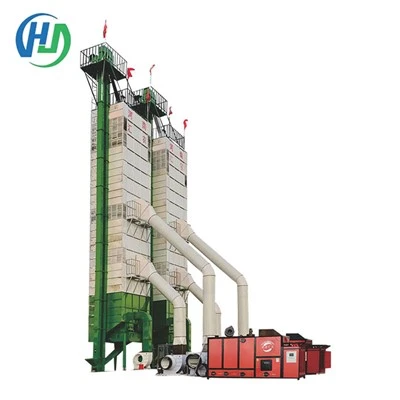
If you’re tired of high defect rates, messy hand-peeling, or harsh chemicals for your glass products, we can help you test if our clean peeling equipment is a fit for your line. No pressure, no sales pitch—just a 100-piece test run to see how it works with your specific glass and residue. Hit us up to start the conversation about how we can adjust our gear for your glass projects.
Rice Processing Equipment References:
- "Surface Defect Reduction in Glass Manufacturing," Industrial Glass Review, 2022
- "Controlled Peeling Technologies for Thin Flexible Materials," Journal of Manufacturing Processes, Vol. 47, 2021
- "Static Control Solutions for Glass Handling," Journal of Adhesion Science and Technology, Vol. 35, 2020
- "Cost-Benefit Analysis of Automated Peeling Systems for Small Manufacturing Shops," Small Business Manufacturing Journal, 2023
Henan Huinong Machinery Co., Ltd.
Henan Huinong Machinery Co., Ltd. is one of the most professional clean peeling equipment manufacturers and suppliers in China, featured by quality products and low price. Please rest assured to buy discount clean peeling equipment from our factory. We also accept customized orders.
Address: No. 6, Northeast Corner of the Intersection of Renmin Road and Zhujiang Road, New District, Huaxian County, Henan Province
E-mail: frank.tang@huinongmachinery.com
WebSite: https://www.huinongmachinery.com/
