Hey everyone! Let’s cut to the chase: if you own a home decor store, you’ve probably stuck to that old-school setup—ringing up sales on a clunky cash register, scribbling inventory counts in a beat-up notebook, and panicking when a customer asks “do you have this throw pillow in navy?” and you can’t pull up stock in 2 seconds. I get it, I work in POS systems, and for the longest time I thought home decor was one of those “too small, too quirky” industries that’d never need something fancier than a cash box. Then I sat down with my cousin who runs a tiny rustic home decor shop in Portland, Oregon, and she schooled me real hard. Turns out, a good POS system isn’t just for big-box retailers or cafes—it’s a game-changer for home decor stores, and I’m here to break down exactly why, no corporate jargon allowed. POS System
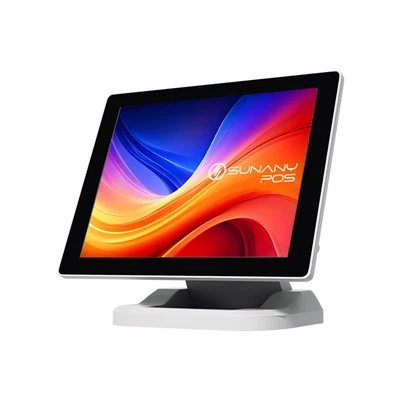
First off, let’s talk about the chaos of home decor inventory, because that’s where most of us trip up. Think about it: your shelves are full of random, cool stuff—hand-thrown mugs with little glaze flaws, limited-edition linen curtains, vintage-style wall art that only you sourced last month. Nothing is the same, so tracking each item (even if it’s just one-of-a-kind or a small batch) is a nightmare with a notebook. My cousin, Lila, used to lose her mind during restocks: she’d count 12 wooden candle holders, then sell 3, then find 2 tucked behind a potted fern, and by the end of the month she had no clue what was actually on the floor or in the storage closet. When we set her up with our POS, the first thing we did was tag each decor item with a custom SKU—so that wooden candle holder might be SKU DECOR-WOOD-CANDLE-HOLDER-042, and the next similar one is DECOR-WOOD-CANDLE-HOLDER-043. Now when a customer buys it, Lila scans the SKU once, and the system automatically subtracts it from stock, updates her counts in real time, and even sends her a text alert when she’s running low on that specific item. No more guessing, no more overbuying (we’ve all been there, ordering extra of a bestseller only to realize you didn’t need half of it) or understocking (sold out of that viral throw blanket 2 days in a row because you didn’t know you only had 3 left).
Wait, but what about that vintage or custom stuff that’s truly one-of-a-kind? I know a lot of home decor stores carry pieces like that, not just mass-produced items. A good POS system handles that too—you can mark a specific item as “unique” in its profile, add notes like “hand-carved oak side table, 20” wide, minor scratch on left leg” so when someone asks about it, your employee doesn’t have to dig through a bin to remember the details. Lila used to have a whiteboard where she wrote down every unique piece, and half the time she’d erase a note by accident or mix up the side table with the bookshelf. Now all that info is in the POS, accessible on any tablet behind the counter, and even on your phone if you’re walking around the store helping customers. That’s a big win for a business where every little detail about a product can make or break a sale.
Next up, customers are people who care about how they shop for home decor. This isn’t picking up a bottle of soda at the gas station—buying a couch or a set of decorative vases is personal. They want flexible options: buy online, pick up in store (BOPIS), return something that doesn’t fit, or have you ship it to their house. A lot of small home decor shops try to handle this with a clunky Square setup or even spreadsheets, and it works… kind of… until you mess up an order or a return. Let’s take an example: a customer buys a bohemian macramé wall hanging online, picks it up at Lila’s shop, then decides it’s too small and wants to exchange it for a larger one. Before the POS, Lila would have to cross-reference her online sales log, her in-store sales log, and her inventory sheet, and 9 times out of 10 she’d forget to update the online stock, so another customer would order that same large hanging online when it was already gone. With our POS, BOPIS is seamless: online orders sync directly to the in-store system, when you pick it up, you just scan the order confirmation, the system marks it as fulfilled, and the inventory updates across both channels automatically. Returns work the same way—scan the receipt, the POS pulls up the original sale, processes the return, and adjusts stock in 2 seconds. No more double-handling, no more upset customers, no more wasted time.
Another thing home decor stores deal with: promotions and seasonal sales. Let’s say you’re running a “Spring Refresh” sale where all linen table runners are 20% off, or you’re having a flash sale on all wall art under $50. With a cash register, you have to calculate the discount manually, which means long lines and mistakes—like charging someone full price when they should’ve gotten the deal, or undercharging because you miscalculated the percentage. Our POS lets you set up those promotions ahead of time, so when the sale starts, the system automatically applies the discount at checkout, no math needed. You can even make it smart: like, “buy two throw pillows, get the third half off” which is super popular for home decor. Lila tried that last year, and before the POS she was writing little discount slips for every customer, and a lot of people forgot to bring them back. Now the POS detects when someone buys three pillows and applies the discount on the spot, and she saw her sales for pillows go up 18% that quarter. That’s not a tiny win—that’s actual extra money in your pocket.
Wait, but what about tracking data? That’s the part a lot of small store owners don’t realize they need. When you have a POS system, you get little reports that tell you stuff like: which decorative items sell best around the holidays (hint: it’s not just Christmas mugs—we’ve seen a spike in indoor planters in March, perfect for spring), which brands of candles people go crazy for, or which days of the week you get the most foot traffic. Lila used to guess: “I think candles sell more on Saturdays” so she’d overstock candles every Saturday, only to find out that actually, Sunday afternoons are when people browse for home decor. With the POS reports, she rearranged her stock to have extra candles and planters out on Sundays, and her weekend sales went up 22% in 2 months. That’s not just guesswork—that’s using real data to run your business better.
I know what some of you are thinking: “POS systems are too expensive for a small home decor store.” Let’s be real—we’re not talking about a $1,000 setup here. There are options tailored specifically for small retailers, with no hidden fees, no long-term contracts, and hardware that’s actually built for a home decor store, not a grocery store. You don’t need a clunky cash drawer that takes up half your counter—you can use a tablet, a small barcode scanner, and a receipt printer that fits on your shelf. Lila’s setup cost her less than she spent on restocking her shelves last month, and the time she saved on inventory and the extra sales she made from promotions paid for it in like 3 weeks.
Another common concern: “what if I’m not tech-savvy?” Look, I’m the guy who builds these systems, and even I get frustrated with super complicated tech that requires a 2-hour training session. The POS systems we make have a simple, intuitive interface—like, you can scan a barcode and ring up a sale in 10 seconds, no computer science degree needed. We also have on-demand support, so if Lila has a question at 7 PM when the shop’s closed, she can shoot us a message and get a reply in 15 minutes, no waiting on hold for an hour. No more being stuck when the system glitches mid-sale.
Wait, let’s not forget about loyalty, which is huge for home decor. People love going back to a store that has cool, unique stuff, and if you make it easy for them to come back, they will. Our POS lets you set up a simple loyalty program: like, every $100 they spend, they get a $10 credit, or every 5th candle they buy is free. When a customer checks out, you can ask for their email or phone number (optional, of course—we hate spam too) and the POS tracks their spending. Lila used to have a punch card, but people would lose them, forget to bring them in, or you’d forget to punch them. Now, when a regular comes in, the system pulls up their profile, and you can tell them “hey, you spent $80 this month, here’s a $5 credit for your next purchase” which makes them feel seen. She saw her repeat customer rate go up 25% after she set that up.
Is there any downside? Well, yeah—you have to put in 10 minutes a day to do a quick inventory check, but that’s way less time than you’re already spending scribbling in notebooks or counting stock after hours. And you have to make sure your inventory is tagged with barcodes, but that’s just a quick one-time task when you first set up the system—you don’t have to label every single item for more than a few minutes.
At the end of the day, home decor stores are all about curating a space that feels personal, helping people find pieces that make their house feel like a home. A POS system shouldn’t take away from that—that’s why we built ours to work with your vibe, not against it. It’s not just a tool to ring up sales—it’s a way to stop wasting time on tedious paperwork and start focusing on what you actually love: picking out cool decor, helping customers, and growing your business.

If you’re a home decor store owner reading this and thinking “maybe I should try this” don’t overthink it. The worst that can happen is it saves you time and makes you more money, and the best that can happen is you finally stop panicking about inventory and start having fun with your store again. If you’re ready to chat about what a POS setup would look like for your specific store, we’re here to help. No pressure, no sales pitch that feels like a corporate ad—just a real conversation about what would work for your home decor shop.
Windows POS System References:
- National Retail Federation. (2023). Small Business POS Adoption Trends.
- Retail Dive. (2022). Omnichannel Retail Solutions for Specialty Home Goods Stores.
- Small Business Administration. (2021). Cost-Benefit Analysis of POS Systems for Retailers with <10 Employees.
Shenzhen Sunany Technology Limited
Shenzhen Sunany Technology Limited is one of the most professional pos system manufacturers and suppliers in China, featured by quality products and good price. Welcome to wholesale bulk advanced pos system made in China here and get pricelist from our factory. Contact us for customized service and OEM service.
Address: 7F, Building 2, Pingji Avenue No.13, Longgang, Shenzhen, China.
E-mail: info@sunany.com
WebSite: https://www.sunanypos.com/
