If you’ve ever shopped for textiles, you’ve probably spotted “spun polyester yarn” on product tags—think casual t-shirts, cozy sweaters, upholstery fabric, or even the carpeting in your living room. As a spun polyester yarn supplier, I deal with this material every single day, and while it’s super versatile, affordable, and consistent, I’ve spent a lot of time digging into its environmental footprint too. Let’s cut through the marketing fluff (no stuffy industry jargon, promise) and break down the real environmental impacts of making spun polyester yarn, plus what we’re doing to make it better. Spun Polyester Yarn
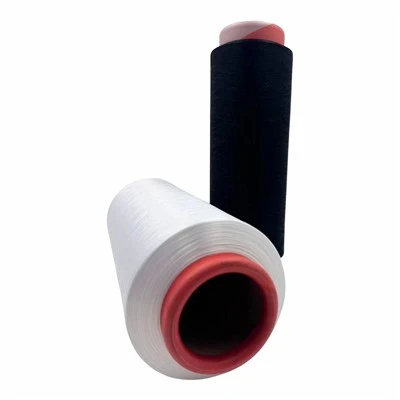
First, let’s start with the basics: spun polyester yarn isn’t the same as filament polyester yarn. Filament is the long, smooth, continuous strands you see in things like nylon stockings or sheer curtains. Spun polyester, on the other hand, is made by chopping polyester chips (think: solid little plastic pellets) into short lengths, twisting those short fibers together, and spinning them into a yarn that feels soft, has a bit of texture, and holds dye really well. It’s the go-to for so many products because it’s cheap, durable, and doesn’t wrinkle like cotton sometimes. But that durability is both a perk and a problem—polyester is a plastic, so its production starts with fossil fuels, and that’s where most of the environmental headaches kick in.
Let’s talk about the first big impact: fossil fuel use and greenhouse gas emissions. Polyester yarn doesn’t grow like cotton or wool—it’s made from petroleum, a non-renewable resource. To make the polyester chips, you have to refine crude oil into ethylene and then combine that with other chemicals to make polyethylene terephthalate (PET) resin, which is what the solid chips are. According to the latest studies, producing one kilogram of virgin polyester emits around 5.5 kilograms of CO2 equivalent. Wait, that’s more than twice the emissions of cotton, which clocks in at roughly 2.6 kg CO2 per kg (and that’s before you even get to spinning the yarn!). When you scale that up to a factory making thousands of kilograms of yarn a day, those emissions add up fast. A mid-sized spun polyester yarn plant can release hundreds of tons of greenhouse gases annually, most of it from burning fossil fuels to power the machinery, heat water for processing, and run the spinning lines. Even worse, some of the chemicals used to turn oil into polyester aren’t fully processed, so they can leak volatile organic compounds (VOCs) into the air around factories—stuff that’s bad for both local air quality and the people who work there.
Next up: water use and pollution, two issues that hit hard in places where textile manufacturing is concentrated. I work with factories in a few Southeast Asian countries, where water access is already tight, and I’ve seen firsthand how much these plants go through. Spun polyester production requires a ton of water—mostly for washing the fibers, rinsing out residual chemicals, and dyeing the yarn. I’ve heard numbers thrown around as high as 100 liters of water per kilogram of finished spun yarn. That’s a lot, especially when you consider that many of these factories are in regions where farmers and communities rely on the same rivers and groundwater. But the water pollution part is even trickier. When you process polyester, you end up with wastewater that’s laced with a bunch of stuff: unreacted chemicals from the resin production, dye residues, and tiny plastic fibers called microplastics. Wait, microplastics from yarn? Yeah, even before the yarn is made—during spinning and dyeing, loose microfibers can shed into the wastewater. A single factory can release millions of microplastic fibers every day, and these don’t break down easily. They end up in local waterways, get eaten by fish, and make their way into the food chain. On top of that, a lot of older textile plants don’t have full wastewater treatment systems, so some of that polluted water gets dumped back into rivers untreated. I’ve visited a few facilities that have upgraded their treatment in recent years, but it’s still a big cost for smaller suppliers, so many cut corners.
Then there’s the waste side of things. Virgin polyester is long-lasting, but the manufacturing process itself produces a lot of byproducts. When you chop the polyester chips into short fibers, you get leftover dust and tiny bits of fiber that don’t get spun into yarn—some of that gets burned for energy (which is better than sending it to landfills, but burning plastic releases more CO2). There’s also the fact that a lot of spun polyester ends up as post-consumer waste: old t-shirts, worn-out upholstery, carpets that need replacing. Only about 15% of plastic textiles get recycled globally, and polyester is one of the harder ones to recycle because blending it with other fibers (like cotton) makes it less useful. A lot of the time, old polyester just gets burned or sent to landfills, where it can take 200+ years to break down—and while it decomposes, it leaches microplastics and chemicals into the soil and groundwater. As a supplier, I’ve had customers ask about recycled polyester, and that’s a big part of what we’re getting into right now, but recycled polyester isn’t a perfect fix either. It still emits some emissions during processing, and it’s harder to match the quality of virgin spun polyester, so there’s a trade-off between sustainability and product performance.
Okay, so those are the negatives—but let’s get real, no industry is all bad, and as a spun polyester yarn supplier, I’ve seen a lot of progress in the last few years. Let’s talk about what we (and other suppliers) are doing to cut the environmental impacts. First, switching to renewable energy for factory operations. A few years back, all the plants I worked with ran on coal and natural gas, but now more than half of them have added solar panels on their roofs, and some are using hydropower from local dams. That’s cut their CO2 emissions by up to 30% already. Then there’s water management: newer factories are using closed-loop water systems, which means they treat and reuse 95% of their process water instead of pumping in fresh water every day. That’s a game-changer for water-stressed regions. We’re also working with factories that use low-water dyeing technologies—instead of dumping huge amounts of water to rinse dye off, they use digital printing or air-based dyeing methods that use 80% less water and no harmful solvents.
Another big move is expanding recycled polyester options. We now carry two types: post-consumer recycled (PCR) polyester, made from old plastic bottles and textile waste, and industrial recycled polyester, made from factory scrap fiber. The best part? Modern recycling technologies don’t make the yarn feel cheap or weak anymore—we’ve had customers use our recycled spun polyester for high-end apparel that feels just as soft as virgin. But we’re still pushing for better recycling: chemical recycling, which breaks down old polyester into its basic building blocks so it can be turned into new yarn without losing quality. That’s still pretty new, but a few of our partner factories are testing it right now.
We’re also getting more transparent with our supply chain. A lot of suppliers used to keep quiet about their factories’ emissions and waste, but we publish third-party audit reports every quarter so our customers can see exactly where their yarn is made and what the environmental impact is. That builds trust, right? If you’re a brand looking to make more sustainable products, you don’t want to guess if your yarn is coming from a factory that’s polluting local rivers.
Wait, let’s not skip the social impacts either—environmental and social go hand in hand. A few years ago, some factories we worked with had lax safety rules, so workers were exposed to the VOCs and chemicals from polyester production. Now we require all our partner facilities to follow global labor standards, including protective gear for workers, fair wages, and limits on chemical exposure. That’s a big part of being a responsible supplier, because cutting corners on the environment often means cutting corners on people too.
But let’s be honest, there are still challenges. Recycling polyester is not cheap, so recycled spun polyester is still more expensive than virgin, which makes it hard for smaller brands to adopt. Also, even with closed-loop systems, we still lose a tiny bit of water each year, and microplastics from manufacturing are still an issue—we’re working on filters that catch almost all microfibers before they go into wastewater, but that’s an investment we’re trying to pass on to customers without making the price jump too big.
At the end of the day, spun polyester yarn isn’t going anywhere. It’s too useful, too affordable, and too widely used to just get replaced by cotton or wool (which have their own environmental issues, like cotton using tons of water and pesticides). The key is making it better—reducing its footprint, being transparent, and giving customers options to choose more sustainable versions when they can.
Air Covered Yarn If you’re a brand, apparel maker, or textile manufacturer looking for a spun polyester yarn supplier that cares about both product quality and the planet, we’d love to chat. We can walk you through our product lines, our sustainability practices, and how we can work together to find the right yarn for your projects, no matter if you’re going for virgin, recycled, or a blend. Just reach out to us to connect on your needs.
References
- Ellen MacArthur Foundation. (2022). The New Textiles Economy: Rethinking the Future of Fashion.
- Textile Institute. (2023). Environmental Impacts of Spun Polyester Yarn Manufacturing: A Global Analysis.
- United Nations Industrial Development Organization (UNIDO). (2021. Water and Energy Efficiency in Textile Manufacturing.
- Organic Cotton Accelerator. (2022). Comparative Life Cycle Assessment of Polyester vs. Natural Fibers.
- International Solid Waste Association (ISWA). (2023). Plastic Textile Recycling Challenges and Innovations.
Zhuji Yuanhui Import & Export Co., Ltd.
Zhuji Yuanhui Import & Export Co., Ltd. is one of the most professional spun polyester yarn manufacturers and suppliers in China. With abundant experience, we warmly welcome you to buy high-end spun polyester yarn made in China here from our factory. If you have any enquiry about quotation and free sample, please feel free to email us.
Address: No.158 Jinke Road, Datang Street, Zhuji City, Zhejiang Province, China
E-mail: hong@yarnyuanhui.com
WebSite: https://www.yarnfty.com/
