If you’ve ever walked through a processing plant, refinery, or remote mining site, chances are you’ve passed a skid-mounted pump station without giving it much thought. I’m Mike, a sales lead with our company’s pump solutions team, and over the 12 years I’ve worked in industrial fluid transfer, I’ve seen how skid stations go from being a “nice-to-have” upgrade to a non-negotiable piece of infrastructure for operations of every size. A lot of new clients start by asking why they shouldn’t just build a custom pump setup from scratch for their specific needs—and after talking through the pain points they’ve dealt with, the answer always circles back to one thing: skid stations aren’t just pre-built pieces of equipment. They’re designed to solve the most common, most costly headaches that come with fluid handling. Skid-Mounted Pump Stations
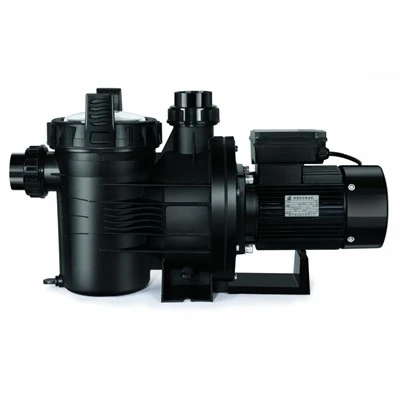
Let’s break down the benefits that make skid-mounted pump stations worth the investment, straight from the teams that use them every single day.
First, there’s the speed of deployment that can’t be matched by custom-built systems. Last year, I worked with a team at a remote copper mine in northern British Columbia that had a critical leak in its main water transfer line right before winter operations kicked off. Their original plan was to spec out pumps, piping, and controls separately, source each component, and hire a local contractor to site everything. That process would have taken at least 12 weeks—enough time to shut down production for the season, which would have cost them over $2 million in lost output. Instead, we delivered a pre-engineered skid station in 18 days. It arrived on a single flatbed truck, our on-site technicians connected it to the mine’s existing plumbing and power in two days, and the system was online and testing within a week. That’s not a fluke: skid stations come fully assembled, tested, and ready to connect, so you skip the weeks of component sourcing, procurement delays, and on-site fabrication that come with custom builds. For operations that need to get equipment up fast—whether it’s a temporary irrigation setup during harvest season, a municipal water booster station for a new housing development, or an emergency transfer system after a pipeline rupture—that speed translates directly to revenue and reduced downtime.
Another big win is the consistent quality and safety that comes with pre-integrated systems. When you build a pump station on-site, you’re relying on multiple contractors to source parts, weld piping, wire controls, and test the entire assembly. Each step adds a layer of variability—and a layer of risk. A recent study from the Industrial Fluid Handling Association found that 68% of on-site custom pump installations have at least one safety or performance defect within their first three months of use, often due to mismatched components, improper piping alignment, or misconfigured control systems. Skid-mounted stations eliminate most of that risk. Every component—from the pump and motor to the valves, pressure gauges, and even the base frame—is selected to work together by our engineering team, and the entire unit runs through 72 hours of pressure testing, leak checks, and operational simulations before it leaves our facility. That means you get a system that meets industry standards like OSHA and API for industrial equipment right out of the crate, with fewer chances of costly breakdowns later. We also integrate safety features that are hard to add to custom builds: things like redundant pressure relief valves, automatic shutoff for low or high fluid levels, and guards for moving parts that meet strict workplace safety requirements. Last quarter, a food and beverage plant client told us that since switching to a skid station, their safety inspection scores went up 20% and they haven’t had any near-miss incidents related to pump equipment. That’s a tangible benefit that saves companies money on fines, insurance premiums, and worker’s comp costs.
Flexibility is another huge advantage that’s easy to overlook. A lot of people think skid stations are one-size-fits-all, but that’s not true. We work with clients to customize every skid to their specific flow rate, fluid type, and site requirements, and they’re built to be moved, expanded, or repurposed as your operations change. For example, a mid-sized chemical plant we supplied last year started with a single skid station for transferring corrosive acids between storage tanks. A year later, they expanded their product line and needed a second transfer loop—instead of building a whole new custom station, they simply ordered a matching skid that fits the same footprint as the first, so they didn’t have to rework their floor space or re-plumb the main supply line. Even temporary applications are easy: a construction company we partner with uses our skid stations as temporary dewatering pumps for foundation digging projects, then moves them to new job sites once the work is done. Unlike permanent custom stations, skids are built on heavy-duty steel frames that can handle being transported over rough terrain, stored outdoors for long periods, and connected to different power sources as needed. That flexibility means you don’t have to invest in entirely new equipment every time your needs shift—you can adapt your existing setup to grow with your business.
Cost savings come in a few different forms, too, beyond just the upfront purchase price. Let’s do a quick side-by-side: a custom-built pump station for a medium-scale operation might cost 15-20% more upfront than a comparable skid, because you’re paying for engineering labor, on-site fabrication, and the cost of storing multiple components. But the bigger savings are in long-term maintenance. Because skid stations are pre-tested, their components are matched to work together, so you avoid the “mixed parts” problem that often leads to frequent repairs. A 2022 report from the Pump Manufacturers Association found that skid-mounted pump stations have 30% fewer unplanned maintenance events in their first two years of operation than custom-built systems. That adds up: a plant with 10 pump stations can save upwards of $50,000 a year in emergency repair costs and downtime. We also offer modular maintenance for our skids—if a pump needs to be replaced, you don’t have to disassemble the entire piping system; you can access the pump easily from the side of the skid, swap it out in a matter of hours, and get back to work. For remote sites, that’s a huge deal, because you don’t have to wait for specialized technicians to come on-site for hours-long repairs.
Let’s not forget about footprint efficiency, too. For operations where space is at a premium—like urban water treatment plants, small manufacturing facilities, or offshore drilling rigs—skid stations are designed to be compact, with every component arranged to minimize floor space or deck space. Custom pump builds often have extra piping, unneeded clearance, and loose components that take up more room, but our engineering team designs skids to fit tight spaces without sacrificing performance. One of our clients operates a water treatment plant in a downtown area where expanding is impossible; they installed two of our vertical skid-mounted pump stations in a 10×12 foot space, where a custom build would have required three times that area. That meant they could upgrade their system without paying for expensive property expansions or relocating other equipment in their facility.
Now, I know some people still have questions: can skid stations handle high-flow, heavy-duty applications? The answer is yes. We’ve supplied skid stations for refineries moving 10,000 barrels of oil a day, mining operations pumping slurry through 10-mile lines, and offshore rigs with corrosive fluid transfer needs. We offer options for every industry, from agricultural irrigation to pharmaceutical processing, and we can build skids to meet the most demanding specifications, whether that’s meeting API 610 for pumps, FDA standards for food and beverage, or hazardous area ratings for Class 1 Div 1 environments. The key is that we don’t cut corners on engineering—we build every skid to be as robust as any custom system, but with the added benefits of pre-integration and portability.
I’ve been in this industry long enough to see trends come and go, but skid-mounted pump stations have stayed consistent because they solve real problems for real operations. They cut downtime, reduce safety risks, save money, and adapt to your needs instead of the other way around. If you’re currently looking for a pump solution for your next project, whether it’s a new installation, a replacement, or an emergency upgrade, take a minute to think about what you’re risking by going custom. Is the speed of deployment worth the potential delays? Is the safety and quality of a pre-tested system worth avoiding unexpected repair costs?
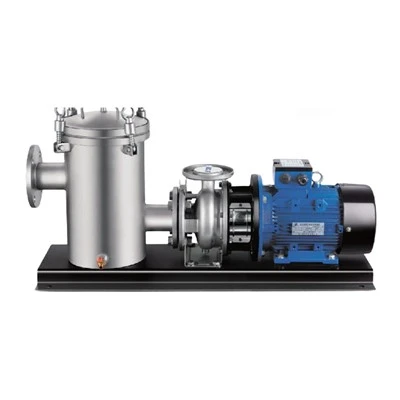
If you’re ready to talk through your specific needs, we’re here to help. Our team can walk you through custom options for flow rates, fluid types, and site requirements, and we can provide detailed quotes and case studies from clients in your industry. We don’t believe in one-size-fits-all solutions, so every skid we design is tailored to your operation’s unique needs, with transparent pricing and support from the first inquiry to installation and beyond. Don’t let a custom pump setup derail your next project—let’s talk about how a skid-mounted pump station can work for you.
Mobile Pump Stations References
Industrial Fluid Handling Association. (2023). Annual Report on Pump Installation Quality and Safety.
Pump Manufacturers Association. (2022). Skid-Mounted Pump Station Performance and Cost Analysis.
OSHA. (2021). Safety Standards for Industrial Pump Equipment.
American Petroleum Institute (API). (2020). Standard for Centrifugal Pumps (API 610).
Hangzhou Nanfang Ouke Pump Industry Co., Ltd.
As one of the most experienced skid-mounted pump stations manufacturers in China, we have world-leading production equipment and strong manufacturing capabilities. Please feel free to wholesale bulk customized skid-mounted pump stations from our factory. Welcome to contact us for pricelist.
Address: No.46, Renhe Subdistrict, Yuhang District, Hangzhou City
E-mail: Gy656169@outlook.com
WebSite: https://www.oukegroup.com/
