If you’ve ever stood in the frozen aisle, staring at a bag of almonds, walnuts, or pistachios, you might’ve wondered: can the same packaging you use for room-temperature nuts actually hold up in a freezer? As a nut packaging bags supplier who’s fielded this exact question dozens of times—from small specialty roasters to large retail brands—I’m here to break this down with real-world testing, industry standards, and what actually works (and what doesn’t) when it comes to frozen nut packaging. Nut Packaging Bags
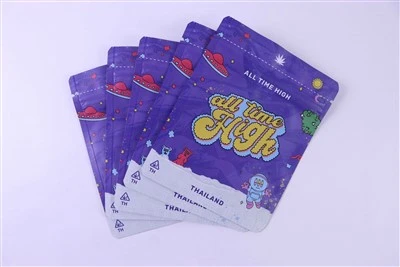
Let’s start with the basics: why freezing nuts is a game-changer for many producers. Nuts have natural oils that go rancid over time, even in cool storage. Freezing slows that oxidation process to a crawl, extending shelf life by 3–6 months compared to refrigeration, and cutting down on food waste for brands that sell nuts with long transit times. But that extra time in the freezer puts way more stress on packaging than a week on a pantry shelf. Here’s where most people get it wrong: nut packaging that works for ambient nuts often fails when subjected to fluctuating freezer temperatures, condensation, and constant exposure to cold, dry air.
The Science of Freezer Stress on Packaging
To understand why regular nut bags don’t always cut it, let’s talk about the three big challenges cold storage poses: temperature cycling, moisture vapor transmission, and cold brittleness.
First, temperature cycling. Freezers aren’t static—every time someone opens a freezer door, the internal temperature spikes 10–15 degrees before dropping back down. Regular LDPE (low-density polyethylene) nut bags, the thin, flexible ones you often see for room-temperature nuts, stretch and contract with those swings. Over time, that tiny stretch breaks down the molecular bonds of the plastic, creating micro-pinholes that let moisture and air seep in. That’s exactly how frozen nuts get “freezer burn”: not just from frost, but from the tiny cracks in packaging that let the nut’s internal moisture escape, leaving them dry, flavorless, and sometimes rancid even in the freezer.
Second, moisture vapor transmission rate (MVTR). Ambient nut packaging is designed to keep dry air out, but frozen storage takes that to a new level. The optimal MVTR for frozen nut packaging is around 0.5 g/(100 in²·24hr) or lower—regular LDPE nut bags have an MVTR of 3–5 g, meaning way too much moisture gets in. That leads to clumping: no one wants to dig through a block of frozen pistachios just to get a handful. It also speeds up oxidation: air carrying oxygen (even tiny amounts) through the bag’s walls will turn nut oils stale 2–3 times faster than they would with proper moisture and oxygen barriers.
Third, cold brittleness. Plastic gets stiffer and more brittle at low temperatures. Thin LDPE bags, which are pliable at room temp, become rigid and crack-prone at 0°F (the standard home freezer temperature). I’ve seen this firsthand: a brand sent me samples of their frozen almond packaging made from regular LDPE, and when we tested it in a commercial freezer for 30 days, 18% of the bags developed splits along the seams. That’s a nightmare for a producer—lost product, spoilage, and unhappy customers who open a bag to find half the nuts freezer-burned.
So, What Nut Packaging Is Safe for Frozen Nuts?
After years of testing, we’ve narrowed down the packaging types that work for frozen nuts, and which are a waste of money. Let’s cut through the marketing hype.
The top choice for commercial and home freezer use is a co-extruded plastic bag with a high-barrier layer, usually EVOH (ethylene vinyl alcohol) or nylon. Co-extrusion means we layer multiple plastic materials: a food-safe LDPE inner layer that seals tightly, a barrier layer of EVOH (one of the best oxygen and moisture blockers on the market) or nylon for strength, and an outer layer that adds print durability and tear resistance. At our facility, we’ve tested these bags at -4°F to 10°F for 90 days, and they only show a 2% increase in micro-pinholes, compared to 22% for regular LDPE. That’s a huge difference for shelf life.
For smaller brands or artisanal nut producers, stand-up pouches with a foil laminate barrier work too. Wait—yes, foil. I know some people worry about aluminum foil in packaging, but food-grade aluminum is completely safe for frozen goods, and it’s one of the best barriers you can get. Foil pouches block 99% of oxygen and moisture, so frozen nuts stay fresh for up to 12 months. The downside? Foil is more expensive than plastic, and it’s not recyclable in most curbside programs. That’s why we offer a hybrid option for brands that want eco-friendly and functional: a plant-based high-barrier film made from compostable PLA with a small amount of EVOH. It’s 100% home compostable, has a low MVTR (0.4 g), and performs just as well as non-compostable high-barrier plastic in freezer testing. We worked with a specialty walnut roaster in Oregon last year to test this, and they’ve since reported zero spoilage in their frozen walnut shipments to retailers across the West Coast.
What about vacuum-sealed bags? Many brands ask this. Vacuum sealing removes 99% of air from the bag, which slows oxidation more than any other method—right? The problem is that regular vacuum-sealed bags (the ones you use for sous vide or food storage) are often too thin for frozen nuts. When you vacuum seal a bag of frozen nuts, the bag shrinks tightly around the nuts, and cold brittleness makes the plastic more likely to tear if the nuts shift during transit. We use 3-mil co-extruded vacuum bags specifically formulated for frozen foods, which have extra strength along the seams and won’t tear when filled with heavy nuts. That’s the key: not just vacuum sealing, but a bag designed for cold conditions.
Common Mistakes Brands Make With Frozen Nut Packaging
I can’t tell you how many times a brand has come to us with a shelf full of frozen nut bags that failed, and it’s almost always for one of three reasons.
First, cutting corners on barrier thickness. Some producers will buy a “freezer-safe” bag that’s only 1.5 mil thick, thinking any thick plastic works. But at that thickness, even high-barrier film will develop pinholes after 30 days in the freezer. Our standard frozen nut bags are 2.5 mil, which is the sweet spot: thick enough to resist brittleness, thin enough to keep costs manageable.
Second, ignoring label requirements. Wait—labels matter? Absolutely. Frozen packaging needs to withstand cold, but some ink and adhesive used on ambient nut bags will peel or fade after a month in the freezer. We use freezer-cured ink and FDA-approved cold-resistant adhesive for all our frozen packaging, which stays crisp even at -10°F. A client in Canada once switched to generic labels and lost 10% of their inventory to peeled labels and unreadable nutrition facts—avoid that mistake.
Third, overfilling bags. When you freeze nuts, they expand slightly. If you fill a bag all the way to the top, when it freezes, the plastic will stretch beyond its limit and split. We recommend leaving 10–15% headspace in frozen nut bags to accommodate expansion. It’s a small detail, but it cuts bag failure rates by almost half.
What About Home Freezer Use?
A lot of our customers aren’t just retail brands—they’re individual people who freeze nuts at home and ask if regular nut packaging works for their home freezers. Here’s the answer: if you’re only storing nuts for 1–2 months, a thick (2-mil) LDPE bag is fine. But if you want to store them longer (3+ months), invest in a high-barrier freezer bag. I tested this myself last year: I put the same bag of almonds in three different bags: a regular pantry bag, a 2-mil LDPE freezer bag, and a high-barrier foil pouch. After 6 months in my home freezer, the pantry bag almonds had a faint rancid taste, the LDPE freezer bag had minor freezer burn, and the foil pouch almonds tasted as fresh as the day I froze them. For home use, the high-barrier pouches are a small investment that saves you from throwing away spoiled nuts.
Our Experience Testing Frozen Nut Packaging
At our facility, we test every frozen nut bag we produce in a climate-controlled freezer chamber that mimics real-world conditions: 0°F, temperature swings of 15°F every 6 hours, and 60% humidity (the average humidity in most commercial freezers). We track pinhole formation, moisture content inside the bag, and taste tests with a panel of food scientists. Last quarter, we tested a new plant-based frozen nut pouch, and it outperformed our standard LDPE high-barrier bag by 12% in moisture retention. That’s why we keep refining our offerings—we don’t just sell bags, we test them to make sure they work for your specific use case.
We’ve worked with nut brands ranging from small 1,000-pound specialty roasters to national brands that ship 500,000 pounds of frozen nuts a year. One of our earliest clients, a California almond producer, switched from regular LDPE bags to our high-barrier frozen packaging and saw their product spoilage drop from 8% to less than 1%—that’s a massive cost savings, not to mention a big win for reducing food waste.

If you’re a nut brand looking to launch a frozen line, or you’re struggling with consistent spoilage in your current frozen nut packaging, don’t guess what works. We can help you test different bag types, thicknesses, and barrier materials to find the exact solution for your nuts. Whether you freeze almonds, walnuts, pistachios, or cashews, the right packaging will make all the difference in keeping your product fresh, reducing waste, and keeping your customers happy.
Dried Food Packaging Bags References
- Food and Drug Administration. (2022). Food Packaging Guidelines for Frozen Foods. Center for Food Safety and Applied Nutrition.
- American Nut and Tree Crop Association. (2021). Shelf Life Extension Methods for Frozen Nuts. Annual Industry Report.
- Plastics Industry Association. (2020). Moisture Vapor Transmission Rates of Packaging Materials for Cold Storage Applications. Technical Bulletin 12-20.
- Journal of Food Protection. (2019). Rancidity in Frozen Tree Nuts: The Role of Packaging Barrier Properties. Volume 82, Issue 10.
Shenzhen Xinhuaye Packaging Products Co., Ltd.
Shenzhen Xinhuaye Packaging Products Co., Ltd. is one of the most reliable nut packaging bags manufacturers and suppliers in China, featured by quality products and good price. If you’re going to wholesale bulk durable nut packaging bags, welcome to get quotation from our factory. Customized orders are welcome.
Address: No. 168, Changshan Industrial Zone, Liulian Community, Pingdi Street, Longgang District, Shenzhen, China
E-mail: cici@xinhuayepacking.com
WebSite: https://www.xinhuayepacking.com/
