If you’ve ever placed a bulk order for multiwall kraft paper bags, you’ve probably found yourself wondering: how long does it actually take to produce these durable, versatile packaging solutions? As someone who’s run a multiwall kraft paper bag manufacturing and supply business for over a decade, I get this question all the time—from small-scale craft roasters ordering 10,000 bags for their beans to large agricultural co-ops needing millions of bags for grain or fertilizer. The answer isn’t a simple number; it depends on a handful of interconnected factors that affect every step of production, from raw material prep to final quality checks. Let me walk you through the process, break down the timelines, and explain what impacts how long your order will take. Multiwall Kraft Paper Bags
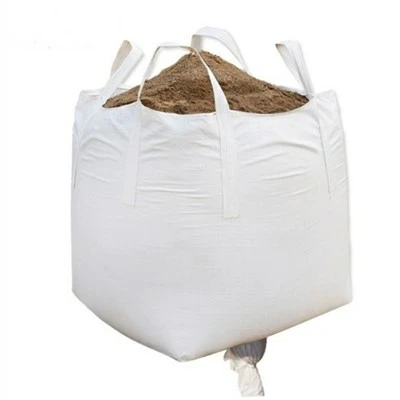
First, let’s start with the basics: what makes a multiwall kraft paper bag different from a regular grocery bag? These are heavy-duty, multi-layered paper structures, usually 2 to 5 plies thick, designed to hold heavy, often bulk materials like cement, animal feed, flour, or chemicals. They’re tear-resistant, moisture-resistant (if treated), and built to withstand harsh handling during transport and storage. Producing them isn’t just printing on paper—it’s a precise, multi-step manufacturing process that requires specialized equipment and strict quality control.
The first stage, and the one that can cause the most timeline delays, is raw material sourcing. Multiwall kraft paper is made from chemical pulp, typically from softwood trees, which gives it the tensile strength needed for heavy loads. We work with a network of certified pulp suppliers, but even with that, lead times here vary. If you’re ordering standard, off-the-shelf kraft paper (without any special treatments), raw material lead times are usually 3 to 5 days. But if you need something custom—like moisture-resistant coated paper, UV-treated paper for outdoor use, or colored kraft stock—add another 7 to 14 days. These specialty pulps require additional processing at the mill, which isn’t always in constant production. For example, last year we had a client who needed blue-colored bags for their organic rice line; the pulp mill only runs color production batches once every two weeks, so that added 10 extra days to their order timeline. It’s worth noting that if your order is for a very large volume—say, over 5 million bags—you might also face raw material constraints, as mills have limited daily output, so we often lock in raw material orders 2 weeks before production even starts for bulk runs.
Next, once we have the paper, the production process begins in earnest. Step two is ply cutting and slitting. The large kraft paper rolls we receive are 5 to 10 feet wide, and we need to cut them into precise widths that match the bag size you ordered. For a standard 50lb feed bag, the roll is slit into strips that are 22 inches wide, while a larger 100lb cement bag requires strips 30 inches wide. This step is quick for standard sizes—usually 1 to 2 days, because our slitting machines run at high speeds (up to 1,000 feet per minute) and have preset settings for common bag sizes. But if you’re ordering an unusual size—say, a 10lb bag for specialty nuts that’s not in our machine’s preset library—we have to adjust the machine’s rollers and calibration, which adds 1 to 3 days of setup time. We’ve had clients who changed their bag size at the last minute, and that small adjustment ended up delaying their order by 2 days because our production team had to re-calibrate the entire slitting line.
After cutting, the plies are stacked and glued together to make the multiwall structure. This is called the pasting stage, and it’s critical for the bag’s strength. We use food-grade or industrial-grade adhesive, depending on your application, to bond each layer without compromising the paper’s integrity. For standard multiwall bags, this step takes 1 to 2 days, as the adhesive needs to dry completely before moving to the next stage—any under-dried adhesive can cause bags to separate during filling. For specialty bags that need extra reinforcement, like those for sharp industrial minerals, we add an extra layer of polypropylene film between two kraft plies, which takes an extra day to process and bond. I remember a client in the construction industry who ordered bags for gravel and sand; their order had a polypropylene layer for puncture resistance, so pasting took 3 days instead of the usual 1, pushing their full order timeline out a bit.
The next major step is printing, if you need custom branding or information on your bags. This is where most clients’ order timelines start to diverge, because printing requirements vary so widely. Standard, unprinted multiwall bags take no printing time at all, so you can get them faster. But for printed bags, we use flexographic printing, which is the most common method for paper bags, and it involves creating custom printing plates, setting up the press, and running the job. If you’re printing up to 4 colors, the standard setup time is 2 to 4 days. For 5 to 8 colors, common for brands with complex logos or multiple product details, setup takes 5 to 7 days. Even small details, like a spot UV coating or variable printing (like batch numbers or expiration dates), add 1 to 2 days of prep. Also, if your design is very intricate with fine lines or gradients, we have to do a test run to ensure the print is crisp on kraft paper, which can add another day. Last year, a coffee roaster ordered bags with a gradient print that matched their brand’s warm tones; the test run took a full day because the flexo plates kept shifting, and we had to adjust the press pressure multiple times, delaying their order by 2 days from the original estimate.
Once printing is done, the bags are formed. This is where the flat, printed, multiwall paper is cut into individual bags, shaped, and sealed at the bottom. Bottom sealing is especially important for multiwall bags—most are sealed with a valve (for filling without spilling) or an open end for manual filling. For standard valve bags, forming and sealing takes 1 to 2 days. For open-end bags, it’s a bit faster, usually 1 day. But if you need special bottom finishes, like a patch to reinforce the seal for heavy loads, or a carry handle, that adds 1 to 3 days. Handles, for example, are either pre-attached during forming or added later, and attaching them requires additional machinery setup. A agricultural supply client of ours ordered bags with woven polypropylene handles for their feed, and the handle attachment process was new to our team, so we had to train the operators and adjust the forming line, adding 3 extra days to their order.
After forming, the final step before shipping is quality control and finishing. Every batch of bags goes through a rigorous inspection: we check for ply separation, print errors, seal strength, and dimensional accuracy. For large orders, we randomly select bags from every production run (usually every 10,000 bags) and test their burst strength—how much pressure they can withstand before breaking. This is non-negotiable for us, because a bag that breaks during filling or transport is a waste for both us and the client. Quality control takes 1 to 2 days for small to medium orders (under 100,000 bags), and 2 to 4 days for bulk orders over 100,000 bags, because we have more units to inspect. Once the bags pass inspection, they are stacked, strapped, and prepared for shipping, which takes 1 day.
Now, let’s put all these steps together to give you a realistic timeline. For a standard order of 50,000 off-the-shelf unprinted 50lb multiwall feed bags: raw material sourcing (5 days) + slitting/plying (2 days) + pasting (1 day) + no printing + forming (1 day) + quality control (2 days) = total of 11 days. If that same order was printed with 2-color branding, add another 3 days for printing, bringing it to 14 days. If you order a specialty size with a polypropylene layer, that adds another 4 days, making it 18 days total. For a large bulk order of 1 million custom bags with 4-color printing and valve bottoms, you’re looking at 20 to 25 days, because the raw material lead time and production steps scale up slightly for high volume.
But wait—there are other factors that can push this timeline longer, and they’re not always within our control. Lead times on raw materials can extend if there’s a pulp mill shortage, which happened a few years back when a major mill had a fire and had to shut down for 2 weeks. At that time, all our lead times increased by 10 days, because we had to source pulp from farther away. Print plate lead times can be delayed if the plate maker is backlogged, which is common during peak seasons like harvest time for agricultural clients. Also, custom orders always have some buffer time—we build 1 to 2 days of contingency into our estimates, but unforeseen issues like machine breakdowns can add a day or two. We had a client last fall who needed their bags for harvest, and our slitting machine had a motor failure that took 2 days to repair, so we had to outsource a small portion of the slitting to a trusted partner, which avoided a longer delay but still pushed their order out by 2 days.
On the flip side, there are ways to speed up your order if you need it. First, opt for a standard size and off-the-shelf kraft paper—this cuts out the custom setup time for slitting and pulping. Second, go for unprinted bags if branding isn’t urgent; we can ship unprinted bags in as little as 7 to 10 days for small to medium orders. Third, order ahead of peak seasons—harvest, back-to-school for food brands, and holiday seasons all bring a surge in orders, so booking 4 to 6 weeks in advance will help us prioritize your order and avoid delays.
As a supplier, transparency is everything to me. I don’t want to give you a vague “2 to 4 weeks” estimate that ends up being wrong because of avoidable delays. Every time a client asks about timelines, I walk them through their specific requirements: size, print, special features, volume, and delivery timeline, and give them a precise, realistic estimate based on our current production schedule. I’ve been in this business long enough to know that a delayed order can cost a client revenue, so we prioritize communication—if there’s any chance of a delay, we tell you before you even ask, and work with you to adjust the plan.
If you’re looking to order multiwall kraft paper bags, whether it’s a small run for a local business or a bulk order for a large operation, the first step is to reach out with your requirements. We can walk you through all the details, answer any questions about production timelines, and help you plan an order that fits your needs and schedule. Don’t hesitate to connect with our team to discuss your project, share your timeline goals, and get a custom quote.
FIBC Bag References
- American Forest & Paper Association. (2022). Multiwall Paper Bag Manufacturing Standards.
- Kraft Paper Council. (2021). Heavy-Duty Packaging Production Processes and Lead Times.
- Flexographic Technical Association. (2020). Custom Print Setup Timelines for Paper Packaging.
- International Paper Association. (2023). Bulk Packaging Supply Chain Lead Time Analysis.
Heze Jinniu Plastics Co., Ltd.
As one of the most professional multiwall kraft paper bags manufacturers in China, we have world-leading production equipment and strong manufacturing capabilities. Please rest assured to wholesale bulk high quality multiwall kraft paper bags for sale here from our factory.
Address: South section of Renmin Road, Heze City, Shandong Province
E-mail: lishaobin2379@163.com
WebSite: https://www.jnbulkbags.com/
