Wait, let’s cut to the chase first—if you’re scrolling marine power forums or Googling for reliable gensets that can survive the brutal salt spray, constant rocking, and 24/7 load shifts on a cargo ship, yacht, or offshore platform, you’ve probably typed that exact question a dozen times: Are there marine-grade MTU diesel generators? MTU Diesel Generator
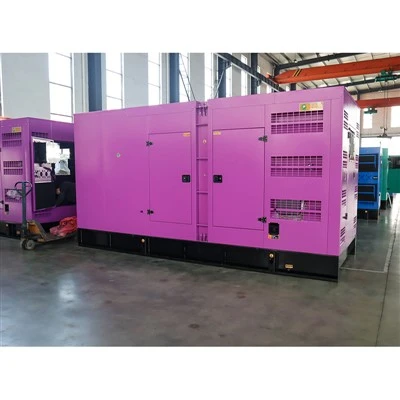
As someone who’s been selling MTU gensets for 8 years, worked side-by-side with ship captains, rig engineers, and boat builders, and fixed my fair share of dodgy marine power fumbles, let me break this down straight—no corporate fluff, no overly technical jargon that makes your eyes glaze over. Short answer? Hell yeah, there are marine-grade MTU diesel generators. In fact, they’re basically the gold standard for most commercial and high-end marine applications, and here’s why that matters way more than you might think.
First, let’s get one thing out of the way: marine-grade isn’t just a marketing buzzword. A lot of regular old industrial diesel gensets look similar on the surface, but toss one on a 10,000-ton container ship bouncing through the North Sea, and it’ll be toast in weeks. Saltwater corrosion, constant vibration from a ship’s engines, humidity that sticks to every part, and load swings that hit harder than a storm—those are non-negotiable marine challenges that off-the-shelf gensets aren’t built to handle. Marine-grade parts have to meet strict international standards, right? Think stuff like IMO (International Maritime Organization) rules, ABS (American Bureau of Shipping) certifications, DNV, or Lloyd’s Register stamps. And MTU didn’t just slap a “marine” sticker on their industrial engines—they built the entire line specifically for this environment.
Wait, let’s talk about where these gensets actually live. I’ve sold units to everything: a 700-foot chemical tanker that runs three MTU gensets to power its pumps, cargo hold cooling, and navigation systems; a superyacht with twin MTU gensets that kick in when the main engines aren’t enough for the spa, theater, and five onboard AC units; and even a small offshore survey vessel that runs one MTU genset for weeks straight in the Gulf of Mexico, no downtime. Those aren’t random sales, either—most of those clients came back when their old, cheap gensets died mid-crossing.
What makes MTU’s marine ones different from their land-based cousins? Let’s get into the details that matter to people who actually have to use these things. First, corrosion protection. Regular industrial engines use plain metal parts and standard paint, but marine-grade MTU gensets have everything coated with anti-corrosive primer and topcoat that’s designed to resist salt spray—think epoxy-based finishes that don’t chip or peel when a wave hits the side of the engine room. Even smaller parts: the wiring harnesses are sealed with salt-resistant insulation, the fuel tanks are coated to prevent rust from marine diesel, and the exhaust systems are made of materials like duplex stainless steel that don’t corrode, even when they’re venting exhaust full of moisture and salt.
Then there’s vibration and load handling. Ships vibrate nonstop—from the main propeller shaft, the pumps, even the wind howling through the superstructure. A land genset has rubber mounts, but marine-grade MTU gensets use heavy-duty, shock-isolating mounts that cut vibration so much, you can barely feel the engine running from the control room. That’s not just a comfort thing—vibration kills parts over time, cracking wiring, loosening bolts, and shortening engine life. And marine loads are way more volatile than on land. A cargo ship might suddenly turn on 10 refrigerated containers mid-voyage, spiking the genset load by 30% in two seconds. MTU’s marine gensets have advanced control systems that adjust fuel flow in milliseconds to keep the power steady—no flicker in the navigation lights, no crash in the refrigeration that spoils $2 million worth of bananas in the hold. I’ve seen cheap gensets die from that exact load spike; MTU’s keep running like nothing changed.
Oh, and emissions—remember IMO Tier II and Tier III rules? Those are strict, but MTU’s marine gensets are already compliant with the latest ones, no retrofits needed. A lot of guys were panicking a couple years back about having to modify their gensets to meet new emissions standards, but when they told me they needed marine-grade MTU, I didn’t have to give them bad news about waiting six months for a retrofit. Those units come built with the emissions tech right in—common rail fuel injection, exhaust gas recirculation, and selective catalytic reduction that cuts NOx and other pollutants way below the limits. That’s a huge deal because non-compliant gensets can get a ship detained in port, which costs thousands of dollars a day in delays. I had a client a few years back with a cheap genset that didn’t meet Tier II rules, got stuck in Rotterdam for a week, and lost a $50k cargo delivery. He switched to MTU after that.
Wait, let’s clear up a common confusion: not every MTU genset is marine-grade. I get calls all the time from guys who find a cheap “marine MTU” on a random online marketplace, and it’s actually a land engine someone stuck a seawater filter on. That’s a scam. MTU has a full line specifically for marine use, split into different categories for different jobs: there’s the gensets for small fishing boats, medium-sized cargo vessels, big container ships, offshore rigs, and even megayachts. The model numbers usually have a “M” in them, right? Like the MTU 16V 4000 M25S, that’s a marine genset, not the land-based industrial version. And every single one of them comes with the necessary certificates—ABS, DNV, whatever the client’s country or classification society requires. No faking those, either; classification societies send inspectors to the factory to check the parts and assembly, so you can’t buy a fake certified one.
Another big point: service and support. Marine gensets are no good if they break down and you can’t get a part or a tech out to fix it. MTU has a global network of service partners that specialize in marine applications—most ports around the world have a certified MTU tech on call, 24/7. I’ve had a client in the Caribbean whose genset had a minor issue at 2 a.m. while crossing from Puerto Rico to Jamaica; the local MTU tech got there in 90 minutes, had the part in stock, and fixed it before they even hit the next port. Compare that to some random offshore genset brand where you have to wait three weeks for a part to ship, and you’re stuck adrift with no power. That peace of mind? It’s worth every extra dollar you spend upfront.
Don’t get me wrong, marine-grade MTU gensets aren’t cheap. I won’t lie—they cost more than some no-name brands or even some other mid-tier brands on the market. But let’s do the math here. A client who buys a cheap, uncertified genset might save $10k upfront, but if it breaks mid-voyage, that’s $50k in lost cargo, port detention fees, repair costs, and maybe even a damaged reputation with their customers. Plus, MTU’s gensets have a way longer service life—most last 20,000+ hours before needing a major overhaul, while cheap ones might die at 5,000 hours. Over 10 years, that’s way more downtime, more repair bills, more stress. I’ve seen too many guys go the cheap route once and never go back.
Wait, let’s talk about recent stuff too—like electrification and hybrid marine systems. A lot of new ships are going hybrid, combining main engines with gensets for extra power when needed. MTU’s marine-grade gensets work seamlessly with those hybrid systems, which is a big plus for anyone looking to future-proof their vessel. They’re compatible with all the latest power management software, so you can adjust how much power the genset produces based on the ship’s needs, saving fuel and reducing emissions even more. That’s not something you get with every marine genset brand.
Let me wrap this up real, like I would to a guy sitting across from me at a dock bar after a long day. If you’re building a new boat, replacing an old genset that keeps breaking, or just looking for a power source that won’t leave you stranded in the middle of the ocean or a busy shipping lane, yes—marine-grade MTU diesel generators are absolutely real, and they’re one of the most reliable options out there for marine use. They’re built for the specific hell of life at sea, certified to the strictest standards, have global support, and last way longer than the cheap knockoffs that pop up online.
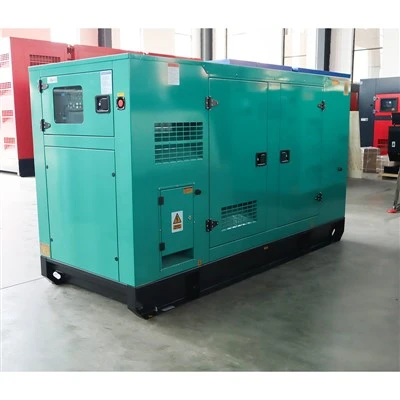
If you’re serious about getting a marine-grade MTU genset, don’t waste time with random listings or uncertified units. Hit me up, let’s talk through your specific needs—what kind of vessel is it? How much power do you need? Where do you operate? I can hook you up with the right model, the right certifications, and even connect you with a local service partner who knows the ropes. No sales pitch, no pushy lines, just straight talk about what’ll keep your ship running when it matters most.
Small To Medium Diesel Generator Sets References:
- International Maritime Organization (IMO) – Marine Engine Emission Standards
- American Bureau of Shipping (ABS) – Marine Equipment Certification Guidelines
- MTU Marine Solutions Product Catalog, 2024
Taizhou Jinte Electromechanical Technology Co., Ltd.
We are one of the most professional mtu diesel generator manufacturers and suppliers in China. With abundant experience, we offer a wide range of generators with superior quality. Please rest assured to buy advanced mtu diesel generator for sale here from our factory. Customized orders are welcome.
Address: Room 207-214, Eurasia International Garden Commercial Center, Hailing District, Taizhou City
E-mail: Sales@generatorschina.com
WebSite: https://www.jintepower.com/
