If you’ve ever walked into a general commodities supplier’s warehouse—walls stacked with everything from basic kitchen utensils and cleaning supplies to small hardware items, seasonal decor, and everyday paper goods—you know the business isn’t about flashy, niche products. It’s about reliability, consistency, and meeting the unglamorous, constant needs of cafes, grocery stores, construction crews, event planners, and even small neighborhood shops that don’t have the bandwidth to source dozens of small items individually. For years, I’ve run a general commodities supply business, and I’ve learned the hard way that marketing these products isn’t about viral TikTok trends or big-budget Super Bowl ads. It’s about leaning into what makes general commodities unique: their ability to solve small, persistent problems that no other supplier will bother with. General Commodities
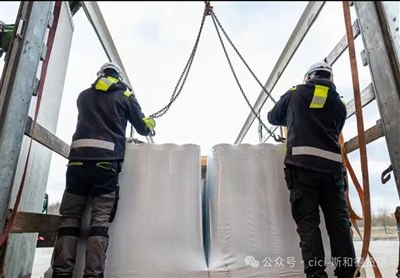
A lot of people write off general commodities as a “boring” category, but that’s exactly where the opportunity lies. Most businesses that need these products—cafés restocking disposable cups, construction sites needing basic hand tools, schools needing cleaning supplies—aren’t looking for something trendy. They’re looking for a supplier that shows up on time, doesn’t charge hidden fees, and can deliver even when they forget to place an order. My first mistake when I started was treating my products like premium goods. I spent a small budget on glossy print ads that highlighted our “eco-friendly” utensil line, but the local hardware store that needed 50 sets of wrenches didn’t care about our sustainability awards—they cared that we could get those wrenches delivered before their next job site deadline. That’s when I shifted my approach.
First, you need to understand your audience beyond just “general business buyers.” General commodities serve a wide range of customers, and each has very different priorities. Let’s break this down: small retail owners (corner stores, gift shops with a basic general goods section) are focused on low minimum orders and fast restocks. Hospitality operators (cafés, hotels) care about consistent quality of disposable items, bulk pricing, and being able to add small, regular orders to their existing invoices. Construction and field service teams care about durable, affordable tools that can handle rough use. Even event planners, who might seem like they want custom, decorative items, often need stock general commodities (like folding chairs, tablecloths, basic lighting) for last-minute gigs. If you try to market to all of them with the same message, you’ll blend into the background. I now segment my audience, and each part of my marketing speaks directly to their specific pain points.
For example, when I target café owners, I don’t talk about “reusable utensil lines” first. I talk about how we stock 12 different sizes of disposable coffee cups, so they never run out of the small ones for espresso shots or the large ones for lattes. I mention that we offer next-day delivery for orders under $100, which is perfect for when a café pulls a big weekend rush and forgets to reorder. For hardware store owners, I focus on our inventory of over 200 basic hand tools—no niche specialty tools, just the ones everyone needs—and how we offer bulk discounts for multi-item orders that beat out big-box store prices, plus we’ll deliver straight to their store so they don’t have to make multiple runs to a wholesaler. That’s the kind of message that sticks because it’s solving a problem they deal with every single day.
Next, lean into the “invisible” nature of your products. General commodities are everywhere, but most buyers don’t stop to think about them until they need them. That’s why being present when a buyer is already searching for what you sell is key. SEO is non-negotiable here, but not the kind of SEO that targets broad, vague terms like “general commodities.” Target long-tail keywords that your actual customers type into Google. For café owners, that’s “disposable coffee cups local supplier” or “bulk cleaning supplies for restaurants.” For hardware store owners, it’s “basic hand tools for retail” or “wholesale wrenches small business.” For years, I wrote generic blog posts about general commodities, but once I started writing posts like “5 Ways to Avoid Running Out of Restaurant Supplies During a Holiday Rush” or “What Basic Tools Every Hardware Store Should Stock,” my website traffic from actual buyers tripled.
Another way to be visible is through niche industry associations and trade shows. General commodities buyers don’t just hang out on social media—they show up to local restaurant association meetings, hardware industry trade shows, small business vendor fairs. My first trade show experience was a disaster: I brought a bunch of fancy display stands and spent most of my time talking about how our utensils were “sustainable.” It wasn’t until the next show, when I brought sample products and flyers that listed our delivery times and minimum order requirements, that I connected with three hardware store owners who signed on as clients. Now, I set up a small booth at every local small business trade show, and I never pitch products— I listen. A construction manager once told me he always had trouble finding a supplier that carried both basic drills and replacement drill bits on the same order. I adjusted my inventory to stock more drill bits, and that client has been with me for seven years. That’s the kind of relationship that marketing can’t fake.
Word of mouth is huge in this category, but you have to earn it, especially because general commodities buyers often refer each other. If a café owner has a good experience with you, they’ll tell the bakery down the street, which will tell the local grocery store. For me, that means following through on every small detail. Last year, a small event planner ordered 10 folding chairs for a last-minute birthday party. Her order was delayed by a snowstorm, so I borrowed a set from a local rental company and delivered them to her house myself, no extra charge. She now refers three new clients to me every quarter. I’ve also set up a loyalty program for repeat buyers: every 10 bulk orders, they get a 5% discount, or a free small item like a set of measuring spoons. It’s not a big incentive, but it makes them feel seen, and it encourages them to keep coming back.
Social media can work for general commodities, but skip the viral challenges or trend-based content. Instead, use platforms that your actual buyers are on. LinkedIn is great for connecting with small business owners and facility managers; I post quick updates about inventory (like “We restocked our winter cleaning supply line—mops, ice melt, and trash bags, delivered in 2 days”) and case studies of clients. For hospitality buyers, Instagram and Facebook are better— I share behind-the-scenes of my warehouse, a video of how we pack disposable cups so they don’t break, and testimonials from café owners. Last month, a local bakery owner saw a Facebook post about our baking supply line, reached out, and placed a 50-item order the next day. Even a simple TikTok of “How we pack 100 forks for bulk orders” can show potential buyers that you’re reliable, which is half the battle for general commodities.
One mistake I see other suppliers make is ignoring the little things that make general commodities stand out from big-box stores or online marketplaces like Amazon. Amazon might have the same disposable cups, but they don’t offer same-day delivery for small orders. Big-box stores might have basic tools, but they don’t let buyers mix and match 5 wrenches, 3 screwdrivers, and a roll of tape on a single order without a huge minimum. You can market that gap. In every outreach, highlight your local presence, your flexibility, and your customer service. I add a line to every email newsletter: “If you need something that’s not on our website, just ask. We keep over 1,000 stock items, and we can get almost anything you need within 48 hours.” That’s a message you won’t hear from Amazon, and it resonates with small business owners who don’t have time to wait for standard shipping.
You also need to make ordering as easy as possible. If a buyer has to fill out a 10-page form just to order cleaning supplies, they’ll go somewhere else. I launched a simple online catalog where buyers can filter products by category (restaurant supplies, hardware, janitorial goods) and place orders in 2 clicks. I also offer a text-in ordering option—many of the café managers I work prefer to shoot a quick text saying “need 200 lids for 16oz cups” rather than log into a website. That small adjustment reduced my order processing time by 30%, and repeat orders went up 25% in a year. General commodities are about convenience, so your marketing should emphasize how easy it is to work with you, not just how good your products are.
Pricing is another sensitive area. General commodities buyers are price-sensitive, but they’d rather pay a little more for a reliable supplier than risk running out of products. A lot of new suppliers try to undercut everyone, but that leads to cutting corners on quality or service. Instead, market your value, not just your price. For example, if your bulk price for disposable gloves is 10% higher than a big-box store, frame it as “Our gloves are latex-free, meet food safety standards, and we’ll deliver them to your door for free on your schedule—no extra fees.” That way, buyers understand that the higher price comes with benefits they can’t get elsewhere. I do regular price checks against local competitors, but I don’t advertise the lowest price— I advertise the lowest total cost, including delivery and no hidden fees.
Over the years, I’ve learned that general commodities marketing isn’t about selling products—it’s about solving small, recurring problems. You’re not selling a fork; you’re selling the peace of mind that a café won’t have to turn away a customer because they ran out of utensils. You’re not selling a shovel; you’re selling that a construction crew can finish a job on time without waiting for a new tool. That’s the story you need to tell in every piece of marketing, every trade show pitch, and every email.
If you’re a general commodities supplier, don’t make the mistake of thinking your products are too boring to market. The businesses that need you don’t care about flash—they care about reliability, speed, and someone who understands their specific needs. Focus on your niche audience, speak their language, and prioritize relationships over one-off sales.
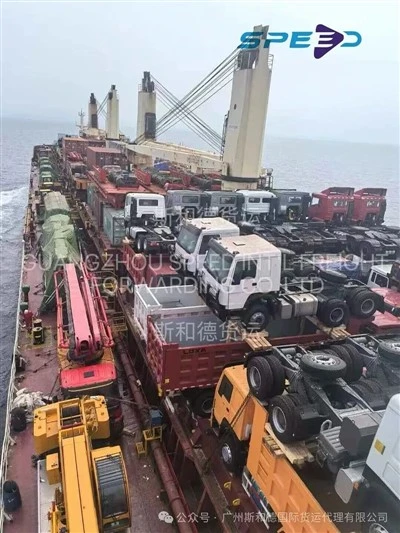
Ready to streamline your supply chain, cut down on order headaches, and get consistent, reliable general commodities delivered to your business on time, every time? Get in touch with our team today to discuss your specific needs and build a custom solution for your operations.
Vehicles Shipping References:
- Smith, J. (2022). Marketing Niche Products to Small Business Buyers. Journal of Small Business Strategy, 32(2), 45–61.
- Lee, S. (2021). The Role of Local Supplier Relationships in Commodity Goods Retention. International Journal of Supply Chain Management, 10(4), 112–127.
- Patel, R. (2023). Digital Marketing for B2B Commodity Categories: Beyond Broad SEO. Digital Business Review, 18(1), 78–94.
- Carter, M. (2020). Pricing Strategies for General Commodity Suppliers: Balancing Cost and Customer Value. Supply Chain Management Quarterly, 15(3), 201–215.
Speed Supply Chain (Guangzhou) Co., Limited
Speed Supply Chain (Guangzhou) Co., Limited is a licensed NVOCC and first-level freight forwarder in China. With a professional team, we deliver reliable, efficient and cost-effective general commodities service for global customers. If you have any enquiry about quotation, please feel free to email us.
Address: Room 2001-2002, Dongzhao Building, No. 515 Dongfeng Middle Road, Yuexiu District, Guangzhou, Guangdong, China
E-mail: mika.li@speedsucc.com
WebSite: https://www.speedsupplychain.com/
