If you’re running a high-speed film blowing machine and noticed weird, uncharacteristic noises coming out of it, you’re not alone. I’ve been supplying these machines for over 12 years, and let me tell you—noise issues are one of the most common headaches our clients reach out about. A lot of folks new to extrusion or even long-time operators sometimes brush it off as “normal wear and tear,” but that’s not always the case. Some noises are just a side effect of regular use, but others can signal a hidden problem that’ll turn into a full-blown breakdown if you ignore it. Today, I’m breaking down why your high-speed film blowing machine is making noise, what to check right away, and how to fix it without breaking the bank. High-Speed Film Blowing Machine
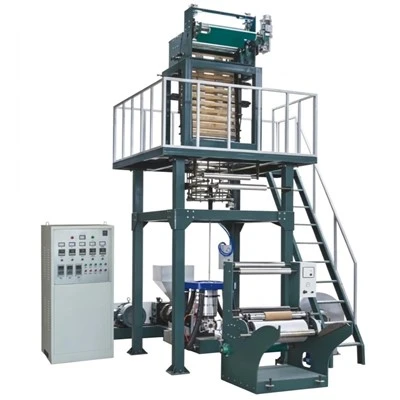
First off, let’s get one thing straight: high-speed film blowing machines are way more complex than they look. They’re spinning, heating, melting, and stretching plastic resin at speeds that’d make a regular machine jealous. That constant motion means there are a dozen parts that can go off track—literally. The most common noise we see? A high-pitched squeal or a grinding sound. 9 times out of 10, that’s bearing-related. Bearings are the unsung heroes of your machine; they support every rotating part, from the extruder screw to the haul-off rollers and the winder. When they’re low on lubrication, or when dirt, plastic dust, or even small metal shavings get into the housing, they don’t spin smoothly anymore. Instead, they rub, and that’s where the squeal comes from. A lot of operators wait too long to relube bearings, especially if they’re running 24/7 shifts. We’ve had clients who ran a machine for 6 months straight without checking bearings, and by the time the noise started, one of the main extruder bearings was seized—cost them $2,000 in repairs and 3 days of downtime. So if you hear a consistent squeal, pop the bearing housing open and check the grease. If it’s dry, add the right type (we always recommend food-grade or high-temperature grease for HDPE/LDPE lines) and spin the shaft a few times to distribute it. If you see metal particles in the grease, you’ll need to replace the bearing before it fails.
Next up, another super common noise: a rumbling or vibration that shakes the whole machine. That’s usually alignment issues. High-speed machines operate at way faster speeds than standard models, so even a tiny misalignment—like a 0.1mm shift between the extruder shaft and the gearbox—can turn into a big vibration at 150 RPM or higher. I once had a client who got a new resin delivery, and the driver bumped the machine’s base while unloading a pallet. Within a week, their winder was making such a racket that the whole production line shook. Turns out the base bolts had shifted just enough to throw the haul-off rollers out of alignment. How do you check this? Grab a dial indicator (it’s not as scary as it sounds, we usually lend ours to clients for free) and test the runout of the main shafts. If it’s off by more than 0.05mm, you’ll need to loosen the base bolts, realign the shafts, and retighten them evenly. Pro tip: always check alignment after you move the machine, change a die, or replace a major part like the gearbox. Small adjustments here go a long way in reducing noise and extending part life.
Wait, what about a popping or crackling noise that sounds like someone’s snapping bubble wrap inside the barrel? That’s a classic resin issue, not a machine problem. But don’t write it off—this kind of noise means the resin has moisture in it, or there are volatile contaminants trapped in the pellets. When you heat wet plastic to extrusion temps, the water turns to steam, expands, and pops through the molten resin. It sounds really loud, like tiny explosions, and it doesn’t just make noise—it ruins your film quality too. You’ll get pinholes, weak spots, and inconsistent thickness. How to fix this? Dry your resin before it goes into the hopper. For LDPE or LLDPE, you can use a simple dehumidifying dryer (we sell these as add-ons, but you can rent them if you don’t want to buy) that pulls moisture out. If you’re using post-consumer recycled resin, that’s extra important because it traps way more moisture than virgin pellets. We once had a client running recycled film who skipped drying, and the popping noise was so bad their operators had to wear earplugs. Once they added a dryer, the noise disappeared, and their film defect rate dropped by 12%. Win-win.
Another noise that’s easy to mistake for a machine fault: a flapping or whooshing sound around the bubble. That’s usually air leakage from the air ring or the bubble stabilizer. The air ring is what blows air to cool the plastic bubble as it forms, and if there’s a gap between the air ring and the bubble, or if the air ring’s nozzles are clogged, you’ll get uneven cooling and that loud flapping. Clogged nozzles are super common—plastic dust or small resin pellets can get stuck in the tiny holes, blocking airflow. To fix this, turn off the machine, let it cool completely, and take apart the air ring. Use a small wire (like a paperclip, but we recommend a brass one so you don’t scratch the metal) to unclog each nozzle. If the bubble is flapping because of a gap, check the air ring’s position relative to the die. It should be perfectly centered, not tilted, so air is blowing evenly all around the bubble. Sometimes after replacing a die, the air ring shifts, so just adjust the bolts until the gap is equal on all sides. We’ve seen clients ignore this flapping noise, and the uneven cooling made their bubble sway, leading to a tear that shut down the line for 4 hours.
Let’s not forget gear issues, which are less common but way louder when they go wrong. If you hear a heavy grinding or clanking noise that gets worse as speed increases, that’s your gearbox. Gears have tiny teeth that mesh together, and over time, they wear down or get misaligned. If there’s too much backlash (the gap between two meshed gears), they’ll clank when the machine speeds up. Or if a gear tooth is chipped, that’ll make a consistent grinding sound. The problem with gear noise is that it’s a sign of deep wear—if you wait too long, the whole gearbox can fail. A lot of our clients try to ignore gear noise because it’s expensive to replace, but we always say: catch it early. If you hear clanking, shut down the machine, pull the gearbox cover, and inspect the teeth. If they’re just worn, you can adjust the backlash with shims (thin metal spacers) to tighten the mesh. If a tooth is chipped, you’ll need to replace that gear, not the whole box. We offer affordable replacement gears for all the machines we supply, so you don’t have to splurge on a brand-new gearbox.
Now, let’s talk about what not to do. A lot of operators hear noise and crank up the lubrication, or run the machine faster to “work out the kinks.” That’s the worst move you can make. Too much grease can get into the resin and contaminate your film, and running a machine with a worn bearing or misaligned shaft at higher speeds will only make the damage worse. I’ve seen a client who ran a machine with a bad bearing for 2 weeks, trying to “get through a big order,” and when it finally failed, it ruined a $5,000 batch of resin and tore the die—cost way more than if they’d fixed the bearing on day one.
If you’re still not sure where the noise is coming from, here’s a quick diagnostic trick: run your hand lightly along the machine’s shafts and housings. If one spot is hotter than the rest, that’s probably where the friction is coming from. Heat almost always accompanies noise, so that’s a dead giveaway. You can also run the machine at a lower speed for 5 minutes and listen closely—sometimes the noise is only noticeable at high speed, but if it’s present at low speed, that’s a structural issue, not a speed-related side effect.
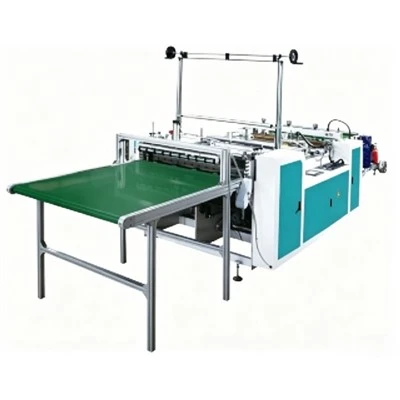
At the end of the day, noise in a high-speed film blowing machine is almost always a warning sign, not just an annoyance. It’s the machine’s way of saying, “Hey, something’s off here.” As a supplier, we build these machines to last, but they need regular TLC. If you’re dealing with a persistent noise that you can’t figure out, don’t hesitate to reach out. We don’t just sell machines—we support them. Whether you need a free diagnostic tip, replacement parts, or a full service check, our team is here to help. We’ve worked with thousands of operators, from small shops to large production facilities, and we know how to get your line running quiet and smoothly again. If you’re looking for a reliable high-speed film blowing machine or need support with your current one, feel free to connect with our team to chat through your needs. No pressure, just honest advice from people who’ve been in the industry for decades.
AB Two Layer Film Blowing Machine References
- Extrusion Film Association. (2021). Maintenance Guidelines for High-Speed Blown Film Extrusion Lines. Extrusion Today.
- Plastics Technology. (2022). Common Noise Issues in Extrusion Equipment and Root Cause Solutions. Gardner Business Media.
- Bearings.com. (2023). Lubrication Best Practices for Extrusion Machine Bearings. Industrial Lubrication Journal.
- European Plastics Converters Association. (2020). Resin Moisture Effects on Blown Film Production. EU PC Technical Bulletin.
Ruian Jianhao Precision Machinery Co., Ltd.
As one of the most professional high-speed film blowing machine manufacturers and suppliers in China, we’re featured by quality products and good price. Please rest assured to wholesale durable high-speed film blowing machine for sale here from our factory. Welcome to contact us for customized service and quotation.
Address: No. 8, Jianshe Road, Beiyu Village, Shangwang Street, Ruian City, Wenzhou City, Zhejiang Province
E-mail: 1832333027@qq.com
WebSite: https://www.jianhaomachinery.com/
