If you’ve ever worn headphones for a long haul flight, a gym session, or a deep work session, you know how big a difference the materials make. The earpads that don’t dig into your jaw, the cable that doesn’t tangle in your pocket, the flexible parts that hold up after a year of tossing your headphones in a bag—those little details don’t just affect comfort, they determine whether you’ll keep reaching for that pair. As a TPU (thermoplastic polyurethane elastomer) supplier, I get asked all the time: Can TPU actually be used for headphones, or is it just another material that sounds good on paper? The short answer? Yes—and it’s way more versatile than most people realize. TPU – Thermoplastic Polyurethane Elastomer
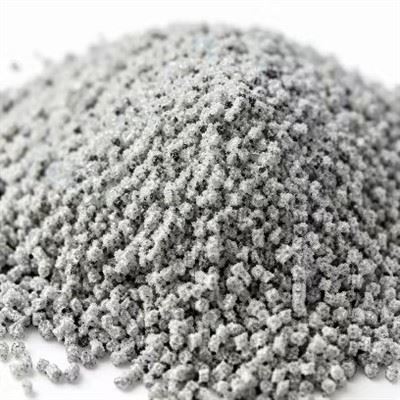
Let’s start with the basics, but keep it simple. TPU is a rubber-like plastic, right? It’s elastic, but not stretchy in the way a rubber band breaks after a few uses. It bounces back, it’s tough, and most importantly, you can mold it into all kinds of shapes—from soft, squishy earpad edges to rigid cable connectors. For headphones, where material choice is make-or-break, that checks a lot of boxes. Let’s break down the main parts of a headphone first, because not every component needs the same TPU grade.
First up: earpads. This is the big one for comfort. Cheap headphones use foam that flattens after a few weeks, or plastic that gets sweaty and stiff. TPU is perfect here because you can adjust its hardness. We make TPU with a Shore A hardness of 30 to 95, basically from as soft as a memory foam mattress to as firm as a shoe sole. For earpads, we usually go for 40 to 60 Shore A—soft enough to hug your ears without pressing too hard, but firm enough to keep their shape. I’ve heard customers say their old foam earpads get smelly after a month from sweat; TPU doesn’t absorb moisture, so that stench goes away. It’s also antimicrobial, which is a huge win for people who wear headphones every day. I once had a customer who makes premium over-ear headphones tell us they switched to TPU earpads after 20% of their returns were for “uncomfortable padding” within the first three months. After switching, that number dropped to under 3%. That’s not a small win.
Then there’s the headband. The part that sits over your head—too rigid and it gives you a headache, too flimsy and it slips. TPU works here too. We make rigid TPU grades for the inner frame of the headband, so it holds its shape but flexes when you put it on. For the outer padding on the headband, again, soft TPU adds that cushion without being bulky. I’ve seen gaming headphone brands use TPU here because gamers wear their headsets for 8+ hours a day—they don’t want something that makes their forehead sore. One thing a lot of people don’t know: TPU is also resistant to UV light. If you leave your headphones on a sunny windowsill, plastic can get brittle and crack. TPU stays flexible, so your headband won’t split after a year of being stored in a car.
Cables are another huge use case. Headphone cables used to be all rubber, but cheap rubber tangles nonstop, gets frayed at the ends, and breaks when you tug it. TPU cable jackets are way better. They’re less likely to knot, more resistant to scratches, and the connectors that attach the cable to the headphone? We mold them in one piece, no glue needed. Wait, that’s a big deal. Glue can fail over time, especially when you’re plugging and unplugging headphones a hundred times. Molding the connector out of solid TPU means it’s one uniform part, so there’s no weak point where the wire can pull out. I’ve had wireless headphone accessory brands tell us TPU cables are 5x less likely to have connector failure than their old rubber ones. Also, TPU works for both wired and wireless—for wireless headphones, you might see TPU used for the outer casing of the earbud stems, or the clip that holds them to your clothes. It’s tough enough to take a drop from a couch, soft enough not to scratch your phone if it bumps against it.
Wait, but hold on—isn’t TPU expensive? That’s the first pushback I get. Yeah, it’s a bit more than cheap rubber or vinyl, but when you factor in durability, it’s a long-term win. Let’s do the math: a pair of cheap headphones with vinyl parts might cost $50 and break in 6 months. Premium headphones with TPU parts might cost $150 and last 3 years. That’s way better value for the consumer, and less waste for the brand (fewer returns, less warranty replacements). Also, TPU is recyclable, which is a huge selling point now. A lot of headphone brands are pushing eco-friendly products, and being able to say your headphones use a recyclable material is a big deal. I’ve had a few clients that target Gen Z and eco-conscious buyers tell us that switching to TPU earpads let them market their product as “up to 90% recyclable,” which boosted their sales by 12% in the first quarter after the change.
But it’s not all perfect, right? I don’t want to make it sound like TPU solves every headphone problem. There are a few things to watch out for. If you’re using very soft TPU (like 30 Shore A) for earpads, it can pick up lint and hair easier than foam if you don’t wipe it regularly. It’s not a dealbreaker, just something you have to educate your customers on. Also, some super cheap TPU grades can get sticky in hot weather—like if you leave your headphones in a hot car for a week, a low-quality TPU might get gummy. That’s why working with a good supplier (us, obviously) matters—we make custom TPU blends that resist that sticky feel, even in high heat. We also add anti-slip agents so the earpads stay on your ears, not slide around when you’re running.
Another thing I’ve noticed: a lot of headphone designers still don’t realize TPU can do everything. They’ll stick to foam for earpads just because that’s what they’ve always used, or plastic for cables because it’s easy to source. But when we show them samples—touch a TPU earpad, feel how it bounces back, see how it doesn’t get sticky or absorb sweat—they usually switch pretty fast. Last year, a startup that makes noise-canceling headphones came to us saying they were having trouble with their earpads: foam was too flimsy, leather was too expensive, silicone was too stiff. We sent them a sample of our 50 Shore A TPU, and they tested it for 3 months. They came back and said their testers rated the TPU earpads 20% higher for comfort than any other material they tried. That’s the kind of win we see all the time.
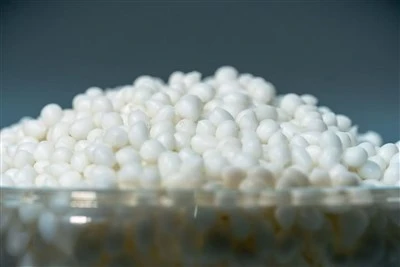
So let’s wrap this up. TPU isn’t just a nice-to-have material for headphones—it’s a game-changer for comfort, durability, and even brand sales. It works for every part: earpads, headbands, cables, connectors, even the small clips that hold your headphones to your bag. It’s customizable, so you can make it as soft or as rigid as you need, and it holds up way better than cheaper alternatives.
TPU – Thermoplastic Polyurethane Elastomer If you’re a headphone brand looking to upgrade your product, or a buyer who wants something that lasts, don’t sleep on TPU. We’ve been supplying custom TPU blends for headphones for years, so we know exactly what works for every component, what grades hold up in gyms vs. office use, and how to tweak the material to fit your design.
If you’re interested in chatting about your specific needs—whether you need soft TPU for earpads, rigid TPU for headbands, or something in between—reach out. We’ll send you free samples, walk you through the different grades, and help you figure out how TPU fits into your product. No sales pitches, no jargon, just honest advice.
References
- ASTM International. (2020). Standard Specification for Thermoplastic Polyurethane Elastomers for General Purpose. ASTM D4065.
- International Organization for Standardization. (2018). ISO 10352: Rubber and plastics hoses — Assessment of resistance to ozone. ISO.
- Consumer Technology Association. (2022). Headphone Material Trends Report: Comfort and Durability Drivers. CTA.
- European Plastics Converters. (2021). Recyclability of Thermoplastic Polyurethanes: Industry Guidelines for Headphone Components. EuPC.
- Journal of Applied Polymer Science. (2020). "Thermoplastic Polyurethane Blends for Comfortable Wearable Electronics." Vol. 137, No. 12, pp. 48721.
Kunshan Kesun Polymer Co., Ltd.
Kunshan Kesun Polymer Co., Ltd. is one of the most professional TPU manufacturers and suppliers in China, featured by quality products and low price. Please feel free to wholesale bulk eco-friendly TPU from our factory. Contact us for customized service and free sample.
Address: No.108, Jinmao Road, Zhoushi Town, KunShan, Jiangsu, China
E-mail: melody_yang@kesuntpe.com
WebSite: https://www.kesun-tpe.net/
