If you’ve ever worn a duty vest that slips off your shoulders when you run, digests into your torso during a 12-hour shift, or restricts your movement when you need to subdue a suspect, you know how big a difference a properly fitted vest makes. As a duty vest supplier, I’ve spent years watching first responders, security officers, and customs agents brush off ill-fitting gear as a “one-size-fits-all” hassle, and it’s always bothered me. A vest isn’t just a piece of equipment—it’s something you rely on to keep you safe, comfortable, and able to do your job, no matter the mission. Duty Vest
Adjusting a duty vest isn’t just pulling straps until it feels “snug.” It’s a mix of ergonomic science, practical field experience, and understanding how your gear moves with you, not against you. Over the last decade, I’ve helped thousands of customers tweak their vests, and I’ve learned that the best fit falls into three main zones: the shoulders, the torso, and the load-bearing pockets. I’m going to walk you through step by step, no jargon, no complicated steps—just what works when you’re lacing up before a shift.
First, start with the shoulders. This is the part that carries most of the vest’s weight, so if it’s adjusted wrong, you’ll end up with sore traps or straps digging into your neck before lunch. A common mistake I see is people pulling the shoulder straps so tight that the vest rides up their back, or so loose that it hangs low and bounces when they move. The rule here is simple: the top edge of the vest’s shoulder pads should sit right at the base of your neck, where your collarbones meet. No higher, no lower. If it’s too high, it will rub your neck during long walks or runs, and if it’s too low, it will shift forward and press on your chest when you bend over.
Once the shoulder straps are sitting right, test the movement: lift your arms all the way over your head. If the vest rides up more than an inch, your straps are too loose. If you can’t lift them past your waist, they’re too tight. I usually tell customers to adjust the shoulder straps so that you can slide one finger under each strap at the top, right where it connects to the vest’s body. That’s just enough give to let your arms move freely, but not so much that the vest shifts when you turn around.
Next, move to the torso fit. This is the area that gives people the most trouble, because they often either make it too loose to move or too tight to sit comfortably. The key here is the mid-section—this is where the vest should sit without pressing on your ribcage or your abdomen, especially if you have to wear it over a uniform shirt, a bulletproof liner (if required), or even a thin sweatshirt in cold weather. A lot of first responders forget to account for layers when adjusting their vest, and by mid-shift, they’re squirming because the vest is too tight over a layer of base layers.
When adjusting the torso straps, start with the velcro or buckles on the sides (most duty vests have two straps, one on each side, around the lower torso). Pull them snug enough that you can still slide two flat fingers between the strap and your body. This isn’t a hard and fast rule—if you’re larger or wear heavier layers, you might need three fingers, but never less than one. The big no-no here is cinching it so tight that you can’t take a deep breath. I’ve had officers come back to me saying their vest made them winded during a chase, and nine times out of ten, they’d pulled the torso straps so tight that they restricted their diaphragm.
Another test for the torso fit: turn sideways and look in a mirror. The front of the vest should line up with the bottom of your sternum, and the back should line up with the top of your hips. If the front dips below your waist, the straps are too loose, and it will sag when you run. If the back rides up too high, you’ve pulled the torso straps too tight around the lower ribs, and it will dig into your side during long shifts.
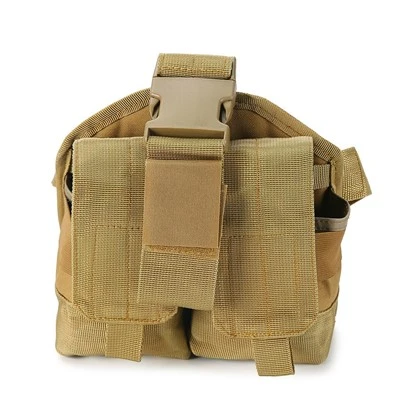
Then there’s the load-bearing part— the pockets. This is the part most people overlook, but it’s critical for fit and function. If you carry your gear (radio, handcuffs, pepper spray, baton) in the wrong pockets, it can pull the vest to one side, throw off your balance, and make the whole fit feel lopsided. I see this all the time: someone shoves their heavy radio in a front left pocket, and by the end of the shift, they’re leaning to the left to compensate, causing shoulder and back pain.
The rule for pocket placement is weight distribution. Heavier gear (like a radio, which can weigh a pound or more) should go as close to your centerline as possible, and balanced between left and right. Handcuffs and pepper spray, which are lighter, can go on the outer pockets, but not so far out that they pull the vest away from your body. A quick test: after loading your pockets, walk around, bend over, and turn in a circle. If the vest shifts more than an inch to one side, your gear is lopsided. Rearrange the pockets until it stays centered on your torso.
There’s also a trick for adjusting vests with quick-release systems, which are super common for law enforcement. Most people think the quick-release just needs to be tight, but it actually should be slightly looser than the main torso straps, so that you can unclasp it with one hand if you need to get out of the vest fast. I’ve heard too many stories of officers fumbling with a tight quick-release during an emergency, and that’s a problem no one wants to face. The quick-release should sit just loose enough that you can slide a finger under it, but not so loose that it comes undone on its own.
Now, what about different body types? A lot of people say “one size fits all,” but that’s not true. At my company, we make vests in a range of sizes, and even within sizes, there are small adjustments you can make. For people with broad shoulders, you might need to pull the shoulder straps a little tighter, but keep the top edge at the base of your neck— don’t yank them so tight that the vest rides up your back. For people with shorter torsos, you can shorten the torso straps by folding the excess Velcro under the main strap, so the vest doesn’t hang past your hips. For taller people, extend the straps, but make sure the front still lines up with your sternum.
I also get a lot of questions about wearing a duty vest over a uniform or a body armor plate. If you’re wearing a plate carrier underneath the duty vest, you need to adjust the vest to fit over that extra bulk. The same finger rule applies, but you’ll need a little more give— usually two fingers instead of one. If you’re wearing it over a short-sleeved uniform shirt, you don’t need as much give, because the fabric is thin. Always account for what you’re wearing under the vest, because that’s a common mistake people make when adjusting.
Another thing that affects fit: shift length. If you’re working a 12-hour shift, you might need to adjust your vest halfway through. Your body shifts a little during the day— you sweat, you bend, you sit a lot, and the vest can settle. I always tell customers to check their fit around lunchtime, especially if they’ve been moving around a lot. You might need to loosen the torso straps a little, or adjust the shoulder straps if they’ve shifted. A quick check takes 30 seconds and will save you from discomfort the rest of the shift.
What about common pain points from a bad fit? Sore shoulders, back pain, chafing, restricted movement— all of these are avoidable with the right adjustment. A vest that fits well doesn’t feel like it’s there. You forget you’re wearing it until you need to access a tool or move quickly. I had a customer tell me once that he used to come home every shift with a red mark around his torso from his old vest, and after adjusting it correctly, the marks were gone. That’s the payoff of getting the fit right.
Now, a few pro tips from experience. First, don’t over-tighten any strap. I’ve seen people pull straps so tight that the Velcro starts to peel or the buckles stretch out. Duty vests are built to hold gear, but they’re not meant to be a corset. Second, test your fit with your gear loaded. A lot of people adjust the vest empty, then load it with gear and find it’s too tight. Always load your pockets before doing the final fit check— that way you know it will work when you need it. Third, if you’re between sizes, go for the larger size. You can always adjust straps to make a larger vest fit, but you can’t make a too-small vest stretch.
At the end of the day, a properly fitted duty vest is non-negotiable. It’s not just about comfort— it’s about being able to do your job safely. If your vest doesn’t fit right, even the best gear in the world won’t help you. For anyone who’s struggled with a vest that doesn’t fit, or who needs help adjusting theirs, we’re here to help. We’ve helped hundreds of officers, security professionals, and customs agents get the right fit, and we’re ready to work with you to make sure your gear works for you. If you’d like to discuss your needs, request a custom fit consultation, or learn more about how our vests can work for your role, feel free to connect with our team to discuss your requirements.
Tactical Vest References
- Occupational Safety and Health Administration (OSHA). “Personal Protective Equipment Fit and Adjustment Guidelines.” OSHA, U.S. Department of Labor, 2021.
- International Association of Chiefs of Police (IACP). “Duty Equipment Ergonomics for Law Enforcement Officers.” IACP, 2022.
- National Fire Protection Association (NFPA). “Standard on Operational Care and Mobility of Fire and Emergency Services Personnel.” NFPA, 2020.
- American Society for Testing and Materials (ASTM). “Standard Guide for Selection, Fit, and Maintenance of Personal Body Armor.” ASTM International, 2021.
Quanzhou Jinbei Bags Co., Ltd.
As one of the most professional duty vest manufacturers and suppliers in China, we have world-leading production equipment and strong manufacturing capabilities. Please feel free to buy bulk high quality duty vest for sale here from our factory. Customized orders are welcome.
Address: 302, NO.158-17, EAST DISTRICT, TANDING, HESHI, LUOJIANG , QUANZHOU, FUJIAN, CHINA
E-mail: jinbeibags@126.com
WebSite: https://www.jinbeibags.com/
