If you’ve ever run your fingers over a well-made cloth cotton doll—soft enough to snuggle for hours, with details that feel intentional, not rushed—you might wonder how it comes to life. As a supplier who’s been making these dolls for over a decade, I’ve learned that great cotton dolls aren’t just stitched together; they’re rooted in thoughtful material choices, small, consistent techniques, and an understanding of who’s going to hold them. Today, I’m breaking down the process we use in our workshop, step by step, so you can either make one for a loved one or see why our dolls stand out for families, small retailers, and anyone looking for a reliable cotton doll source. Cotton Dolls

First, let’s start with the foundation: fabric selection. This is non-negotiable for us, because a doll’s texture will be the first thing a child notices, and durability matters. I don’t cut corners here. We use 100% GOTS-certified cotton muslin for the outer layer—this means it’s free from harmful chemicals, so it’s safe for kids with sensitive skin, and it’s tightly woven enough to hold up to months of snuggles and gentle play. I’ve tested cheaper fabrics before, and they pill after a few washes, stretch out of shape, or feel scratchy, which defeats the whole purpose of a soft cotton doll. For the stuffing, we use 100% certified cotton batting, not polyester fiberfill. Polyester can clump over time, leaving lumpy spots, while cotton batting stays soft, breathes well, and even holds its form better for smaller details. We also pick a sturdy cotton fabric for the doll’s lining—this prevents the outer muslin from tearing when we stuff it, and it’s easy to work with for hand stitching small parts like ears and hands.
Next, pattern making. Our patterns aren’t generic; we adjust them based on whether we’re making a small 8-inch pocket doll, a 14-inch bedtime friend, or a larger 20-inch play doll. The key here is balance—too stiff, and the doll doesn’t hug right; too floppy, and it loses its shape. We draft patterns with slightly rounded edges for all the limbs because sharp corners can be uncomfortable for little hands, and we add a ¼-inch seam allowance, which gives us a little wiggle room when stitching, especially for first-time doll makers. If you’re making your own, you can find free basic cotton doll patterns online, but I recommend tracing a soft toy you already own to get the proportions right—most homemade dolls end up lopsided because the pattern’s proportions feel good on paper but not in 3D. Once the pattern is cut, we lay it flat on a piece of muslin and pin it in place, making sure the grain of the fabric runs straight—this stops the doll from stretching unevenly as we sew.
Stitching the main body is the next step, and here’s where most people go wrong: if you stitch too close to the edge, you’ll have a hard time turning the doll right side out without damaging the fabric; too far, and the seam will show when you stuff it. We use a basic straight stitch on our sewing machines, but for the curves around the head and limbs, we slow down and pivot the fabric gently. For beginners, I’d recommend hand stitching the seams around small curves— it takes a little longer, but it gives you more control. We leave a 3- to 4-inch opening at the bottom of the doll’s torso (or the back, depending on the pattern) so we can turn it right side out and stuff it later—never close that opening entirely, I’ve had to redo too many dolls because I forgot that step mid-stitch. Once the main body is stitched, we snip small notches into the curved edges (like under the arms and around the head) before turning it. This is a pro tip I learned early on: snipping notches prevents the fabric from puckering when you pull the doll right side out, so the limbs stay smooth and the head looks round.
Stuffing is where the doll gets its personality, and it’s a step that should never feel rushed. We use small handfuls of cotton batting, not big clumps, because clumps leave lumps. For the head, we stuff it firmly but gently—we want it to hold its shape, but not so tight that it feels like a rock when a child rests their cheek on it. For the limbs, we start with a small amount of batting at the end (near the fingers or toes) and work our way up, tamping it down gently with a chopstick or a blunt tool—never a sharp needle, that’s a quick way to tear the fabric. We stuff the torso a little looser than the head, because we want the doll to have a soft, cuddly midsection, not a rigid one. Once we’re done stuffing, we stuff the small parts like ears and hands first, then attach them to the body. For example, a bear doll’s ears are stuffed, folded over, and stitched to the head before we close the main torso opening—this makes sure the ears stay upright and don’t fall flat over time.
Adding details is where a basic cotton doll becomes special, and this is where you can get creative, but we stick to details that are safe and long-lasting. For eyes, we use embroidered cotton thread instead of plastic safety eyes—kids can’t pull them out and swallow them, which is a huge plus for parents. We use a back stitch to outline the eyes and a French knot for the pupils, which looks natural and is sturdy. For the mouth, a simple curved back stitch works better than a big line, and for cheeks, we add a tiny pink stitch in a half-moon shape—soft, not overly bold. If we’re making clothes for the doll, we use the same cotton muslin or a matching print cotton, so it’s breathable and easy to take on and off for little hands. We skip buttons and use Velcro (sewn securely to the inner fabric) because buttons are a choking hazard for young kids. We also add small details like embroidered eyebrows, little stitches for fingers, or a tiny stitched tail for animal dolls—all done with cotton thread, so everything matches the doll’s soft, natural look.
Finishing touches are the last step, and they’re what make our cotton dolls stand out from cheaper alternatives. After closing the main opening with a hidden ladder stitch (this looks seamless, not like a big line across the torso), we give the doll a gentle fluff and a quick wash in cold water. This softens the fabric a little more and gets rid of any loose threads, which is important because loose threads can wrap around a child’s fingers. We also do a quality check for every doll: we run our hands over the seams to make sure none are coming loose, squeeze the doll gently to check for lumps, and test the eyes and ears to make sure they’re securely stitched on. For bulk orders, like the ones we supply to small toy stores or online retailers, we do a second check to make sure every doll is consistent—no uneven stuffing, no loose threads, no wonky ears.
Now, you might be thinking, “Why bother with cotton instead of cheaper materials?” For me, it’s simple: a cotton doll isn’t just a toy. It’s a child’s first best friend, something they carry around, sleep with, and hold when they’re sad. Polyester dolls get scratchy over time, or they don’t feel soft enough to snuggle. Cotton is gentle, durable, and safe. And as a supplier, that’s what we focus on—making dolls that feel like they were made in a small workshop, with care, not on a fast assembly line. If you’re a retailer looking to add a reliable cotton doll line to your inventory, or you’re a parent who wants to make a special doll for your kid, this process works every time.
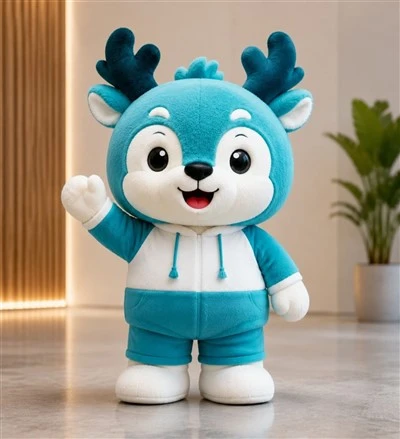
If you’re interested in learning more about our cotton doll options, or want to discuss bulk orders, custom designs, or sourcing details, feel free to reach out to our team. We’re always happy to walk through our process, answer questions about materials, or help you find the right doll for your needs.
Mascot Plush Toys References:
- Textile Institute. (2021). “Cotton Fabrics in Children’s Toys: Safety and Durability Standards.” International Journal of Child Product Design.
- GOTS (Global Organic Textile Standard). (2022). “Certified Materials for Baby and Children’s Products.” GOTS Certification Guidelines.
- American Academy of Pediatrics. (2020). “Safe Toy Selection for Young Children: Fabric and Material Considerations.” Pediatrics Journal.
Shenzhen Newhorse Toys Co., Ltd.
Shenzhen Newhorse Toys Co., Ltd. is one of the most professional cotton dolls manufacturers and suppliers in China. We have world-leading production equipment and strong manufacturing capabilities. Please feel free to buy bulk cotton dolls at competitive price from our factory. Welcome to contact us for quotation and free sample.
Address: Room 101, Building 2, Fuguangyuan Factory, No.105 Longhu Road, Longdong Community, Baolong Subdistrict, Longgang District,Shenzhen,Guangdong, China
E-mail: info@newhorsetoys.com
WebSite: https://www.newhorsetoys.com/
