In today’s dynamic business landscape, the integration of various tools and systems is not just a luxury but a necessity for companies aiming to streamline operations, enhance customer experiences, and drive growth. As a supplier of other attachments, I often find myself in conversations with businesses about the potential of integrating our attachments with their Customer Relationship Management (CRM) systems. This blog post delves into the possibilities, challenges, and benefits of such an integration, offering insights that can help businesses make informed decisions. Other Attachments

Understanding the Basics: What is a CRM System?
A CRM system is a technology platform that helps businesses manage and analyze customer interactions and data throughout the customer lifecycle. It centralizes customer information, including contact details, purchase history, communication records, and preferences, enabling companies to provide personalized service, improve sales processes, and build stronger relationships with customers. Popular CRM systems like Salesforce, HubSpot, and Zoho CRM offer a wide range of features, such as lead management, opportunity tracking, marketing automation, and customer service ticketing.
The Role of Other Attachments in Business Operations
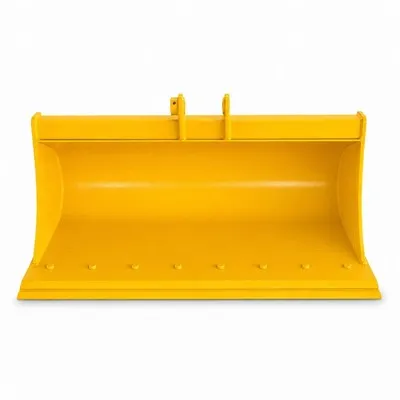
As a supplier of other attachments, I understand the diverse needs of businesses across different industries. Our attachments are designed to enhance the functionality and versatility of existing equipment, enabling companies to perform a wider range of tasks efficiently. Whether it’s construction companies using our excavator attachments for digging and grading, or manufacturing firms utilizing our robotic grippers for assembly and handling, our products play a crucial role in improving productivity and flexibility.
The Case for Integrating Other Attachments with a CRM System
Integrating other attachments with a CRM system can offer several benefits to businesses, including:
1. Enhanced Customer Service
By integrating attachment data with the CRM system, customer service representatives can access detailed information about the attachments used by customers, such as model numbers, serial numbers, and maintenance history. This enables them to provide more accurate and personalized support, quickly resolving issues and reducing downtime for customers.
2. Improved Sales and Marketing
Sales and marketing teams can leverage attachment data in the CRM system to identify cross-selling and upselling opportunities. For example, if a customer has recently purchased a particular attachment, the system can suggest complementary products or upgrades, increasing the average order value and driving revenue growth. Additionally, attachment data can be used to segment customers based on their usage patterns and preferences, enabling targeted marketing campaigns that are more likely to resonate with the audience.
3. Streamlined Operations
Integrating attachment data with the CRM system can help businesses optimize their inventory management, procurement, and maintenance processes. By tracking the usage and availability of attachments in real-time, companies can ensure that they have the right equipment on hand when needed, reducing the risk of stockouts and minimizing downtime. Additionally, the system can generate automated alerts for maintenance tasks, ensuring that attachments are properly serviced and maintained, extending their lifespan and reducing repair costs.
4. Data-Driven Decision Making
The integration of attachment data with the CRM system provides businesses with valuable insights into customer behavior, usage patterns, and market trends. By analyzing this data, companies can make informed decisions about product development, pricing strategies, and marketing campaigns, improving their competitiveness in the market.
Challenges and Considerations
While the benefits of integrating other attachments with a CRM system are significant, there are also several challenges and considerations that businesses need to address:
1. Compatibility
Not all CRM systems are designed to support the integration of external attachments. Before embarking on an integration project, businesses need to ensure that their CRM system is compatible with the attachment data and that the integration can be implemented smoothly.
2. Data Security
Integrating attachment data with the CRM system involves sharing sensitive information between different systems. Businesses need to ensure that appropriate security measures are in place to protect this data from unauthorized access, use, or disclosure.
3. Data Quality
The accuracy and completeness of attachment data are crucial for the success of the integration. Businesses need to establish processes for collecting, validating, and maintaining high-quality data to ensure that the CRM system provides accurate and reliable insights.
4. User Adoption
The success of the integration depends on the willingness of employees to use the new system. Businesses need to provide adequate training and support to ensure that employees understand how to use the integrated system effectively and that they see the value in doing so.
Overcoming the Challenges
To overcome the challenges associated with integrating other attachments with a CRM system, businesses can take the following steps:
1. Choose the Right CRM System
When selecting a CRM system, businesses should consider its compatibility with external attachments and its ability to support data integration. They should also look for a system that offers robust security features and data management capabilities.
2. Implement a Data Governance Framework
A data governance framework helps businesses establish clear policies and procedures for managing data, ensuring its accuracy, completeness, and security. This framework should include processes for data collection, validation, storage, and sharing, as well as roles and responsibilities for data management.
3. Provide Training and Support
To ensure user adoption, businesses should provide comprehensive training and support to employees on how to use the integrated system. This training should cover both the technical aspects of the system and the business processes it supports.
4. Monitor and Evaluate the Integration
Once the integration is implemented, businesses should monitor its performance and evaluate its effectiveness. They should track key metrics, such as customer satisfaction, sales revenue, and operational efficiency, to measure the impact of the integration and identify areas for improvement.
Real-World Examples
To illustrate the benefits of integrating other attachments with a CRM system, let’s look at a few real-world examples:
Construction Company
A construction company uses a CRM system to manage its customer relationships and project details. By integrating the data from its excavator attachments, such as usage hours, maintenance history, and location, the company can track the performance of each attachment in real-time. This enables the company to schedule maintenance more effectively, reduce downtime, and make informed decisions about equipment replacement.
Manufacturing Firm
A manufacturing firm uses a CRM system to manage its sales and customer service operations. By integrating the data from its robotic grippers, such as production output, error rates, and maintenance requirements, the firm can identify opportunities for process improvement and cost reduction. For example, if a particular gripper is experiencing high error rates, the firm can use the CRM system to track the issue, identify the root cause, and take corrective action.
Conclusion
In conclusion, the integration of other attachments with a CRM system offers significant benefits to businesses, including enhanced customer service, improved sales and marketing, streamlined operations, and data-driven decision making. While there are challenges associated with the integration, these can be overcome by choosing the right CRM system, implementing a data governance framework, providing training and support, and monitoring and evaluating the integration.
Hydraulic Breaker As a supplier of other attachments, I am committed to helping businesses unlock the full potential of their CRM systems by providing seamless integration solutions. If you are interested in learning more about how our attachments can be integrated with your CRM system, I encourage you to reach out to us. We would be happy to discuss your specific needs and provide you with a customized solution that meets your requirements.
References
- "CRM Systems: A Comprehensive Guide" by John Doe
- "The Benefits of Integrating External Data with CRM" by Jane Smith
- "Data Governance Best Practices" by Robert Johnson
Hope Precision Machinery Co., Ltd.
As one of the most professional attachments manufacturers and suppliers in China, we also support customized service. Please feel free to buy high quality attachments for sale here from our factory. For more information, contact us now.
Address: No.8 Shenzhen Street, Development Zone, Yantai,Shandong ,China
E-mail: lulu@hope-breaker.com
WebSite: https://www.hopeequip.com/
