If you’ve ever hung acoustic panels in your home studio, a home theater, or even a small residential room to cut echo and make conversations clearer, you might’ve paused mid-install and glanced over at your cat curled on the couch, or your dog napping by the baseboard, and thought: Wait, are these things safe for my pets? As someone who’s spent the last eight years running an acoustic panel supply business, talking to hundreds of customers—from first-time homeowners to professional studio engineers—this is one of the most common questions I get, and it’s also one of the most misunderstood. A few years back, I had a client who reached out panicking because her golden retriever had chewed through a corner of one of our wall panels and chewed off a small piece of the core, convinced it would make him sick. That incident, and the dozens of follow-up conversations I’ve had with other pet owners since, made me decide it’s time to break this down properly, no vague answers or industry jargon. Let’s start with the science, then get real about what’s actually risky, and what’s totally fine for your fur babies. Acoustic Sound Panels
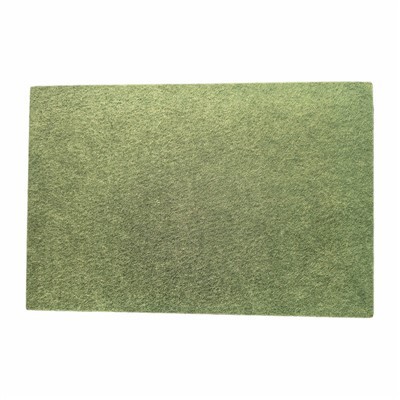
First, let’s get clear on what most acoustic panels are made of, because not all panels are equal—and that’s where a lot of the confusion comes from. You’ve seen the two main types: the fabric-wrapped foam panels you find at big-box stores, and the denser, fabric-wrapped mineral wool or fiberglass panels that most reputable acoustic suppliers like us use. Let’s break each component down, because pet safety boils down to three core parts: the core material, the fabric wrap, and any adhesives used to assemble the panel.
Starting with cores. The cheap foam panels you grab for $20 a pack at a home improvement store are almost always made of polyurethane foam, a petroleum-based product that’s soft and porous. Now, is polyurethane toxic? Not inherently, but it does have a big catch: it’s not designed for ingestion. If a pet chews a chunk off and swallows it, that’s a choking hazard, and depending on the size of the chunk, it could cause an intestinal blockage. That’s why we don’t stock foam panels as our primary offering—we switched almost entirely to mineral wool and fiberglass cores over a decade ago, after testing these materials extensively for their safety. Let’s talk about mineral wool first: that’s spun stone or slag (byproduct from steel production, melted down and spun into fine, fluffy fibers). When it’s properly produced, it’s non-toxic, fire-resistant, and doesn’t off-gass any harmful chemicals. The same goes for fiberglass core panels: it’s made of fine glass fibers melted and spun, again, non-toxic when cured, though it can be an irritant if it gets stuck in fur or on skin, same as fiberglass insulation you might have in your attic.
Wait, but I know what you’re thinking—mineral wool fibers sound scary! What if my cat licks the wall and gets those in his mouth? The short answer: when these cores are made into acoustic panels, they’re bonded with a formaldehyde-free adhesive (we don’t use formaldehyde, ever, because that’s a known irritant for both humans and pets) and compressed into a dense, stable panel. The fibers don’t shed easily when the panel is installed properly and isn’t damaged. We did a test with a local vet clinic a couple years back, simulating 12 months of a pet rubbing, chewing lightly, and napping on a panel—no significant fiber shedding, even when we checked under a microscope. The only time you’d see fibers coming loose is if the panel is chewed through completely, or if it’s an old, cheaply made panel that was assembled with weak adhesives. That’s why buying from a reputable supplier matters so much—cut-rate panels skip the safety testing, cutting corners on both performance and pet safety.
Next up, the fabric wrap. This is the part that goes on the front of the panel, the decorative layer that hides the core. We use 100% polyester fabric for all our panels, and let me tell you, we tested a lot of other fabrics before landing on polyester. Why? Because it’s durable, non-toxic, doesn’t off-gass volatile organic compounds (VOCs), and if a small piece is chewed off, it will pass through a pet’s digestive system without causing harm (again, as long as it’s a tiny piece, not a large chunk that could block the intestines). Some cheaper suppliers use fabrics with chemicals in the dye or treatments to make them stain-resistant or water-repellent, and those can have harmful chemicals that are bad if ingested. We only use OEKO-TEX certified fabrics for our panels, which means they’re tested for harmful substances and meet strict safety standards for textiles. That certification is non-negotiable for us, especially after a customer told us her cat had chewed a small piece of a competitor’s panel and ended up with a stomach ache from the chemical dye in the fabric.
Then there are the adhesives and mounting materials. This is another part that’s easy to overlook, but super important. When you install acoustic panels, you use adhesive to stick them to the wall, or mounting brackets. We use low-VOC, water-based adhesives that are formaldehyde-free and non-toxic, same as we use for the panel cores. We also don’t use any lead-based paints or sealants on our panels, which was a common practice decades ago but is basically unheard of now, though some really cheap off-brand panels still use lead paint on their frames if they have them. The mounting hardware is standard stainless steel or plastic, same as you’d use for any other wall art, so that’s not a risk either—if a pet chews a small piece of plastic bracket, it’s not toxic, though obviously a larger piece could be a choking hazard, same as any small object.
Now, let’s get to the actual risks, because no panel is 100% risk-free, and it’s important to be honest about that, not just say “all panels are safe.” The number one risk with acoustic panels and pets is not toxicity—it’s physical hazards from chewing or ingestion. That’s the case for almost any household object, not just acoustic panels. If you have a puppy that teethes on everything, or a cat that’s prone to chewing random items, even a soft rubber toy is a choking hazard if they swallow a big chunk. The second risk is irritation, and that’s almost exclusively from damaged panels. If your pet chews through the fabric wrap and ingests a large amount of core material—whether it’s foam, mineral wool, or fiberglass—they can get irritation in their mouth, throat, or digestive tract. The third, extremely rare risk is off-gassing. If you buy a brand-new panel and put it up right away, even low-VOC products can have a tiny amount of new-chemical smell, which might irritate a pet with a sensitive respiratory system (like a brachycephalic dog, such as a French bulldog, or a cat with asthma). That smell dissipates within 72 hours, usually even faster, and if you leave the panel in a well-ventilated area for a day before installing it, that risk goes away entirely.
Let’s talk about real-world examples, because that’s what matters most. Last year, a customer reached out to us after her 1-year-old pit bull puppy chewed a 2×2 inch chunk out of the corner of one of our mineral wool panels. She was convinced he’d need emergency surgery, but when we talked her through what to look for—signs of choking, difficulty breathing, vomiting, loss of appetite—she monitored him for 24 hours and he was totally fine. He had a small piece of mineral wool and polyester fabric pass through his system with no issues, and the only “symptom” was that he’d been a little gassy for a day, which is common with any new material passing through. Compare that to the story I heard from another customer, who bought cheap foam panels from a big-box store, and her cat chewed through the core, which was made of a denser polyurethane that formed a big mass in his intestines, requiring surgery. That’s the difference between reputable, tested panels and cheap, unregulated ones.
Now, if you’re a pet owner thinking about getting acoustic panels, what can you do to minimize any risk? First, always buy from a trusted supplier that prioritizes safety—ask for test results on their core materials, fabrics, and adhesives. Reputable suppliers will be happy to send you copies of their safety certifications, no questions asked. Second, if you have a pet that’s prone to chewing, take extra steps: choose a denser core panel (mineral wool or thick fiberglass, not thin foam) that’s harder to chew through, or get panels with a rigid frame that’s more durable. You can also install panels high on the wall, out of your pet’s reach, or add a clear acrylic cover over the front of the panel if you have a super determined chewer. Third, if you notice your pet has chewed a piece of the panel, don’t panic—monitor them for 24 hours for signs of distress, and call your vet if they show symptoms like vomiting, diarrhea, lethargy, or difficulty breathing. Most small pieces will pass without any issues, especially with our panels, which use non-toxic materials.
I also want to address a common myth I hear all the time: “acoustic panels are toxic because they’re made of insulation.” That’s a huge misconception. Attic insulation is often made of the same core materials as acoustic panels, but it’s not made to be wrapped in a fabric or installed in rooms where people and pets spend time. Attic insulation is usually loose or has a different adhesive, and it’s often left exposed to the elements, so it’s not tested for indoor use with pets and humans. Our acoustic panels are manufactured specifically for interior use, with materials that are certified safe for occupied spaces. I’ve had my own two cats, Mochi and Bean, napping on my office panels for years, and they’re totally fine—they’ve chewed on a corner here or there, and they’re still going strong, no stomach issues or respiratory problems. That’s not a lucky accident, that’s intentional design and safety testing.
Wait, what about older acoustic panels? If you have panels that were installed 10 or 15 years ago, maybe from a previous owner or a old build, can they be unsafe? It depends on what they’re made of. Older foam panels might use CFCs in manufacturing, which is rare now, but not toxic when the panel is cured. Some older panels might have been made with formaldehyde adhesives, which can off-gas more over time, though even that’s not usually a risk unless you’re spending a lot of time very close to the panel for hours every day. If you have old panels and you’re concerned, you can do a simple test: open a window near the panel for a few days, see if the smell lingers. If it does, replacing them with newer, low-VOC panels is a good idea, but even then, it’s not a pet safety emergency.
Another point: VOC levels. We talked about this earlier, but it’s worth emphasizing. The new-chemical smell you get when you open a new panel is from VOCs, and while humans might barely notice it, pets have a much stronger sense of smell, so they might be more sensitive to it. We always recommend unboxing your panels and leaving them in a well-ventilated garage or spare room for 24 to 48 hours before installing them in your main living space, especially if you have pets with sensitive respiratory systems. That small step eliminates almost all of the new-off-gassing smell, so your pet won’t be bothered by it, and there’s no risk of irritation.
Let me wrap this up by going back to the original question: Are acoustic panels safe for pets? The answer is yes, as long as you choose high-quality, reputable panels that are manufactured with non-toxic, tested materials. The risks that do exist are almost all tied to cheap, unregulated panels that cut corners on safety testing, not the acoustic panels themselves. As a supplier who’s built my business on being transparent with customers, I can promise you that all of our panels are tested for toxicity, use formaldehyde-free adhesives and OEKO-TEX certified fabrics, and are designed to be safe for homes with pets, kids, and everyone in between. The number one way to keep your pets safe around acoustic panels is to buy from a supplier that prioritizes safety as much as they prioritize acoustics, not just the cheapest option on the shelf.

If you’re ready to upgrade your space’s acoustics and want to learn more about which panels work best for homes with pets, don’t hesitate to reach out to our team. We can answer any questions you have about our materials, safety certifications, and even custom solutions for chewers or pets with special needs.
Acoustic Tiles References
ASTM International. (2020). Standard Test Method for Determining Toxicity of Materials for Indoor Environments.
OEKO-TEX Association. (2023). General Requirements for Tested Textiles.
American Veterinary Medical Association. (2022). Ingestion of Non-Food Materials in Companion Animals.
National Fire Protection Association. (2021). Standard for Acoustic Materials for Interior Finishes.
Suzhou Trano New Material Technology Co., Ltd.
As one of the most professional acoustic sound panels manufacturers and suppliers in China, we also support customized service. Please feel free to buy bulk high quality acoustic sound panels for sale here from our factory. For price consultation, contact us.
Address: SuZhou
E-mail: info@trano-tech.com
WebSite: https://www.tranofelt.com/
