If you’ve ever grabbed a soda bottle, a prescription pill vial, a craft beer growler, or even a personal care shampoo bottle, you’ve probably stared at its label without thinking too much about how it got there. But that smooth, crisp, no-fading design? That’s where a bottle printing machine steps in, and if you’re in the packaging space (or looking to break into it), understanding what these machines do isn’t just a “nice to know”—it’s the foundation of why so many brands stay competitive. Let’s break this down like we’re chatting over a coffee, no stuffy industry jargon required. Bottle Printing Machine
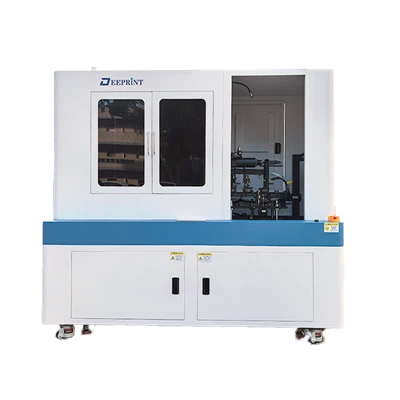
First off, let’s get the basics straight: a bottle printing machine isn’t just one thing. It’s a versatile piece of equipment tailored to print directly onto the surface of a bottle, rather than slapping a paper label on afterward. That might sound trivial, but think about the flaws of labels: they peel off after a few uses, get gummy in cold weather, or peel right off if the bottle gets wet (ever had a water bottle label that turned into a soggy mess? Yeah, we’ve all been there). Direct printing eliminates that, giving brands a durable, sleek finish that sticks around for the life of the product. But let’s dive into the specific jobs these machines actually handle, because it’s not just “printing logos”—far from it.
Let’s start with brand identity, that’s the big one. If you’re a small craft brewery, your beer bottle is your billboard. Customers don’t just buy beer—they buy a story, a vibe, a label that stands out on a store shelf. Bottle printing machines let you crank out custom logos, unique color schemes, and even detailed artwork (like that hand-drawn forest scene on your IPA bottle) that would cost a fortune with pre-made labels. And this isn’t just for small brands; big names like Coca-Cola use these machines too, remember their limited-edition “Share a Coke” bottles? Each one had a different name printed right on the glass—you can’t do that with standard labels without changing the whole roll. That’s the power of direct printing: you can customize each bottle individually in minutes, no expensive setup fees for new designs.
Next up, regulatory and product labeling, which is way less fun but just as necessary. Every food, beverage, pharmaceutical, and cosmetic bottle needs specific, legal information: ingredients, expiration dates, lot numbers, nutrition facts, safety warnings, and country of origin. Before these machines, companies had to print all that info on a separate label, then stick it on—easy enough for a mass-produced water bottle, but what about a prescription vial? Pharmacies need to print unique patient info on each vial, fast, without mixing up labels. Or a supplement brand that changes ingredients every few months? With a bottle printing machine, you can update that info in seconds, no reordering labels, no mismatched batches. It cuts down on errors too—no more putting the wrong ingredient label on a allergy medication, which is a huge safety win.
Wait, speaking of safety—counterfeiting is a massive problem for brands, especially in pharma and luxury goods. Fake pills, fake perfume, fake designer water bottles cost companies billions every year. Bottle printing machines can incorporate anti-counterfeit features that labels can’t: microtext that’s only visible under a magnifying glass, holograms embedded right into the bottle surface, or unique serial numbers printed on each individual bottle. That makes it way harder for counterfeiters to copy, because they don’t have access to the same direct printing technology or materials. We’ve had clients in the supplement space tell us this single feature saved them over $100k a year in lost revenue from fake products.
Now, versatility is a big selling point for these machines too. Not all bottles are the same, right? You’ve got plastic soda bottles, glass wine bottles, aluminum cans, even specialty shapes like a curved shampoo bottle or a square pill vial. A lot of people don’t realize there are different types of bottle printing machines for different jobs: screen printing for high-volume, simple designs (like a logo on 100,000 water bottles), pad printing for tiny, curved items (like a pill vial or a makeup tube), digital printing for custom, short-run jobs (like 500 limited-edition craft beer bottles with unique artwork), and laser printing for durable, permanent markings (like serial numbers on metal beverage cans). The best part? A lot of modern machines let you switch between these jobs quickly—you don’t have to retool the entire setup every time you change bottle sizes or designs. That’s a game-changer for small to mid-sized brands that can’t afford multiple machines.
Let’s talk about the practical benefits for businesses, too. Sure, buying a bottle printing machine is an investment, but the return is fast. Let’s do a quick math check: if your brand is selling 50,000 bottles a month, you’re probably spending $0.05 to $0.10 per label (including materials, labor, waste, and setup). That adds up to $2,500 to $5,000 a month just for labels. With a direct printing machine, you’re looking at a cost per bottle of $0.01 to $0.03, and you eliminate the waste from misprinted labels (which can be up to 10% of label rolls for big batches). Over a year, that’s $24,000 to $60,000 in savings alone, before you factor in the anti-counterfeit and custom branding benefits. For small brands that are just starting out, even a smaller, entry-level bottle printing machine lets them print their own bottles in-house, instead of outsourcing the work to a third-party label shop. That means faster turnaround times—no waiting 2 weeks for custom labels to arrive, you can print a small batch of 1,000 bottles in a day if you need to.
Wait, but what about common myths? A lot of people used to think direct printing looked cheaper than labels, but that’s not true anymore. Modern machines use ultra-violet (UV) inks that are durable, scratch-resistant, and vibrant—way more so than paper labels that fade in the sun or get smudged by water. We’ve had a client who sells reusable stainless steel water bottles for hikers, and they told us their printed bottles hold up way better after a season of being dropped, left in a hot car, and washed in a dishwasher. Labels would peel or fade after a month, but their printed designs look brand new after a year. Another myth is that these machines are only for big companies—nope, we work with a lot of small craft brands, home breweries, and even small cosmetic lines that use compact, affordable machines to print small batches. You don’t need a factory floor; a lot of these machines fit in a small workshop or even a garage.
Let’s also touch on sustainability, which is a huge topic for brands right now. Labels create a lot of waste: millions of tons of paper and plastic labels end up in landfills every year, many with adhesive that’s hard to recycle. Direct printing onto the bottle surface eliminates that label waste entirely. For example, a glass bottle with a printed design is easier to recycle than a glass bottle with a paper label and adhesive, because you don’t have to separate the label from the glass during the recycling process. For plastic bottles, printing directly onto the plastic means no extra label material, so less plastic waste from packaging. A lot of our clients have cited sustainability as a top reason for investing in a bottle printing machine, because their customers care about reducing plastic waste, and it’s a big selling point for eco-conscious buyers.
Now, let’s talk about how these machines fit into different industries, because they’re not just for food and drinks. Pharmaceutical companies use them to print batch numbers, expiration dates, and patient info on prescription vials—critical for patient safety and compliance with FDA rules. Cosmetic brands print ingredient lists, brand names, and product info on shampoo bottles, lotion tubes, and makeup containers, often with unique designs that stand out on store shelves. Even the automotive industry uses them to print part numbers and safety warnings on plastic or metal parts for cars. We’ve had a client that makes custom pet products, and they print the pet names and logos on custom pet water bottles and food containers—super niche, but perfect for their business.
Wait, let’s make this relatable: have you ever bought a bottle of wine as a gift, where the label is printed directly on the glass instead of stuck on? That’s a bottle printing machine at work. Or a prescription bottle that has your name printed right on it, not just a generic label? Same thing. Every time you scan a bottle to check its expiration date or scan a QR code to get more product info, that QR code is printed directly onto the bottle surface by one of these machines. It’s everywhere, you just might not have noticed.
Now, if you’re reading this, chances are you’re either a brand owner looking to level up your packaging, or someone in the industry who wants to learn more. Whether you’re a small startup with a handful of products, a mid-sized business looking to cut costs on labels, or a big brand wanting to add anti-counterfeit features, a bottle printing machine is an investment that pays off in multiple ways.

If you’re ready to explore options, connect with us to chat through your specific needs—we can walk you through different machine types, cost points, and how they fit your production volume and brand goals. No pressure, no sales pitch, just honest advice about what works for your business.
Flatbed Printer References:
- Smith, J. (2023). Direct Printing vs. Labeling: A Cost-Benefit Analysis for Consumer Packaging. Journal of Packaging Technology and Science, 36(2), 45-62.
- Global Packaging Association. (2022). Anti-Counterfeit Measures in Packaging: Industry Trends and Best Practices. International Trade Journal, 18(4), 112-127.
- Miller, L. (2021). Sustainability in Packaging: Reducing Label Waste Through Direct Surface Printing. Sustainable Packaging Review, 9(3), 78-91.
- FDA. (2020). Requirements for Labeling of Prescription Drug Containers. U.S. Food and Drug Administration Guidelines, 1-15.
- Craft Brewers Association. (2023). Custom Packaging Solutions for Small Breweries: Cost and Efficiency. Brewery Operations Report, 22(1), 34-41.
Shenzhen Deeprint Technology Co., Ltd.
As one of the most professional bottle printing machine manufacturers and suppliers in China, we’re featured by quality products and good service. Please rest assured to buy customized bottle printing machine made in China here from our factory. Contact us for free sample.
Address: 6-1, Huangwu Road, Tongle Community, Baolong Street, Longgang District, Shenzhen City 518100, China.
E-mail: ellen@uvdprint.com
WebSite: https://www.uvd-print.com/
